
July 2023

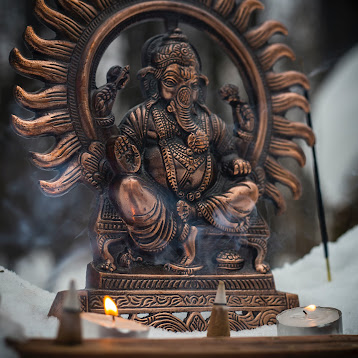
Ganesh Chaturthi 2023 ll गणेश जी पूजा की थाली को कुछ इस तरह सजाएं

 Table of Contents Introduction Understanding Ganesh Chaturthi Significance of the Pooja Thali Materials Required Thali Selection Decorative Items Preparing the Pooja Thali Cleaning the Thali Arranging the Items Rangoli Designs for the Thali Simple Rangoli Patterns Intricate Rangoli Designs Placing the Deity’s Idol Lighting the Diyas and Candles Offerings for the Pooja Thali Final Touches Special Decorations for Ganesh Chaturthi Involve Kids in the Decoration Eco-Friendly Decor Ideas Tips for Photographing the Decorated Thali Ganesh Chaturthi is a significant festival celebrated with great fervor across India, honoring Lord Ganesha’s birth. One of the essential elements of this auspicious occasion is the pooja thali, where various items are arranged to conduct the rituals. Decorating the pooja thali not only adds charm to the festivities but also creates a divine ambience. In this blog, we will guide you through the process of adorning the pooja thali in a beautiful and meaningful manner.   Understanding Ganesh Chaturthi Ganesh Chaturthi, spanning ten days, is an auspicious festival devoted to Lord Ganesha, who is revered as the harbinger of prosperity and wisdom, and the one who dispels obstacles from our path.The festival begins with the installation of Ganesha’s idol at homes or pandals, and it concludes with the grand immersion of the idols in water bodies.  Significance of the Pooja Thali The pooja thali plays a vital role in performing the rituals during Ganesh Chaturthi. It is the focal point where all the offerings and prayers are placed. The decorated thali symbolizes respect and devotion towards Lord Ganesha.  Materials Required Before you begin decorating the pooja thali, gather the following materials: Thali Selection Choose a thali made of metal, such as brass or silver, or opt for eco-friendly options like banana leaves or terracotta. Decorative Items Collect decorative items like kumkum (vermilion), haldi (turmeric), rice grains, flowers, incense sticks, camphor, and colorful ribbons. Preparing the Pooja Thali Follow these steps to prepare the pooja thali:  1.Cleaning the Thali Clean the thali thoroughly and wipe it dry to ensure it is free from any dust or impurities.  2.Arranging the Items Place the items symmetrically on the thali. Use small bowls or containers to hold the materials.  3.Rangoli Designs for the Thali Rangoli adds a traditional touch to the pooja thali. Here are some design ideas:  4.Simple Rangoli Patterns Om Symbol Swastika Conch Shell Intricate Rangoli Designs Ganesha Motif Peacock Feather Placing the Deity’s Idol Position the idol of Lord Ganesha in the center of the thali, ensuring it is stable and secure.  5.Lighting the Diyas and Candles Light diyas (oil lamps) or candles around the idol to invoke positive energy and a sense of divinity.  6.Offerings for the Pooja Thali Place offerings like fruits, sweets, and coconut in front of the idol as a gesture of gratitude and love.  7.Final Touches Add fresh flower petals or garlands to enhance the thali’s appeal and aroma.   Special Decorations for Ganesh Chaturthi During Ganesh Chaturthi, you can add special decorations like miniature umbrellas, decorative lights, and tassels to the thali.   Involve Kids in the Decoration Make the pooja thali decoration a family affair by involving children in the process. Let them use their creativity to make the thali look more vibrant.   Eco-Friendly Decor Ideas Opt for eco-friendly decorations by using natural materials like flowers, leaves, and biodegradable items for the thali.   Tips for Photographing the Decorated Thali Capture the beauty of your decorated thali by following these photography tips: a)Use natural light b)Focus on the details c)Experiment with angles Conclusion Decorating the pooja thali on Ganesh Chaturthi is an art that combines tradition and creativity. The beautifully adorned thali creates an atmosphere of spiritual bliss and reverence. Embrace this joyous occasion with enthusiasm and devotion, and let the divine presence of Lord Ganesha fill your home with blessings.   FAQs 1.What is the significance of Ganesh Chaturthi?  Ganesh Chaturthi celebrates Lord Ganesha’s birth and symbolizes new beginnings, wisdom, and prosperity. 2.Can I use an eco-friendly thali for the pooja?  Yes, using eco-friendly thalis made of banana leaves or terracotta is a great choice to reduce environmental impact. 3.How can I involve kids in the decoration process?  Encourage kids to arrange flowers, stick decorative items, and draw rangoli patterns on the thali. 4.What should be the ideal size of the thali?  The size of the thali can vary according to your preference, but it should be large enough to accommodate all the items comfortably. 5.Is it necessary to use traditional rangoli patterns?  No, you can experiment with modern designs while keeping the essence of the festival intact.

Ganesh Chaturthi 2023 ll गणेश जी पूजा की थाली को कुछ इस तरह सजाएं Read More »

गणेश जी की आरती 2023 ll Unlocking Divine Blessings: Delving into the Magic of Ganesh Ji Aarti

.Introduction What is Ganesh Ji ki Aarti? The Significance of Ganesh Ji ki Aarti The History and Origins of Ganesh Ji ki Aarti The Chant and Verses of Ganesh Ji ki Aarti The Rituals and Traditions of Performing Ganesh Ji ki Aarti The Benefits and Spiritual Beliefs associated with Ganesh Ji ki Aarti How to Perform Ganesh Ji ki Aarti: A Step-by-Step Guide Best Time and Occasions for Ganesh Ji ki Aarti Aarti Thali: The Importance and Symbolism Popular Variations of Ganesh Ji ki Aarti Understanding the Mantras and their Meanings The Emotional and Psychological Impact of Ganesh Ji ki Aarti Incorporating Ganesh Ji ki Aarti into Daily Life Conclusion In Hindu culture, rituals and prayers hold immense significance. One of the most cherished and revered rituals is the recitation of Aartis. These Aartis are melodious hymns sung to praise and invoke the blessings of various deities. One such powerful and beloved Aarti is “Ganesh Ji ki Aarti.” What is Ganesh Ji ki Aarti? Ganesh Ji ki Aarti is a devotional song dedicated to Lord Ganesha, the elephant-headed god of wisdom, intellect, and new beginnings. This Aarti is recited to seek Lord Ganesha’s blessings for success, prosperity, and the removal of obstacles from one’s path. The Significance of Ganesh Ji ki Aarti Ganesh Ji ki Aarti holds immense significance in Hindu traditions and households. Lord Ganesha is believed to be the remover of obstacles, and by reciting this Aarti, devotees seek his divine intervention in their lives. The History and Origins of Ganesh Ji ki Aarti The origins of Ganesh Ji ki Aarti can be traced back to ancient scriptures and texts. It is believed that this Aarti was first composed by Adi Shankaracharya, a renowned Indian philosopher and theologian, in the 8th century. Since then, it has been passed down through generations and is widely recited across the country. The Chant and Verses of Ganesh Ji ki Aarti The Ganesh Ji ki Aarti is composed of melodious verses that extol Lord Ganesha’s virtues and seek his blessings. The rhythmic chant creates a serene and divine atmosphere, filling the hearts of devotees with devotion and faith. The Rituals and Traditions of Performing Ganesh Ji ki Aarti Performing Ganesh Ji ki Aarti is a beautiful and spiritual experience. It is usually done during morning and evening prayers. Devotees light incense sticks, diya (lamp), and offer flowers to Lord Ganesha while singing the Aarti with utmost devotion. The Benefits and Spiritual Beliefs associated with Ganesh Ji ki Aarti The recitation of Ganesh Ji ki Aarti is believed to bring numerous benefits to the devotees. It is said to remove obstacles, grant wisdom and intellect, and bless individuals with success and prosperity. How to Perform Ganesh Ji ki Aarti: A Step-by-Step Guide Performing Ganesh Ji ki Aarti requires devotion and sincerity. Here is a step-by-step guide to conducting the Aarti: 1. Preparation: Arrange an Aarti thali with a diya, incense sticks, and flowers. 2. Lighting the Diya: Light the diya and incense sticks while chanting prayers. 3. Singing the Aarti: Begin singing the Ganesh Ji ki Aarti with family members or devotees. 4. Circumambulation: Circumambulate the idol or picture of Lord Ganesha while singing the Aarti. 5. Offering Prayers: Offer flowers and prasad to Lord Ganesha during the Aarti. 6. Feeling Devotion: Experience a sense of devotion and gratitude towards Lord Ganesha. Best Time and Occasions for Ganesh Ji ki Aarti While Ganesh Ji ki Aarti can be performed daily, certain occasions hold special significance for its recitation. These include Ganesh Chaturthi, Wednesdays, and auspicious beginnings such as weddings, housewarming ceremonies, and new ventures. Aarti Thali: The Importance and Symbolism The Aarti thali used during the ritual has symbolic significance. It represents the devotee’s offerings and devotion to the deity. The diya symbolizes light and knowledge, while the incense sticks signify purity. Popular Variations of Ganesh Ji ki Aarti Over time, various regions have developed their own versions of Ganesh Ji ki Aarti, each with its unique melody and lyrics. Some popular variations include the “Sukhkarta Dukhharta Aarti” and “Jai Ganesh Jai Ganesh Deva.” Understanding the Mantras and their Meanings The Aarti is filled with powerful mantras and verses that hold deep meanings. Understanding the significance of these mantras enhances the spiritual experience and connection with Lord Ganesha. The Emotional and Psychological Impact of Ganesh Ji ki Aarti Reciting Ganesh Ji ki Aarti not only has a spiritual impact but also affects devotees emotionally and psychologically. It brings a sense of calmness, hope, and positivity, reducing stress and anxiety. Incorporating Ganesh Ji ki Aarti into Daily Life Devotees often incorporate the practice of reciting Ganesh Ji ki Aarti into their daily routines. This constant connection with the divine instills a sense of gratitude, humility, and determination in their lives. Conclusion Ganesh Ji ki Aarti is a beautiful expression of devotion and reverence towards Lord Ganesha. Its enchanting verses and melodious chant create an atmosphere of spirituality and tranquility. By embracing this ritual in our lives, we invite positivity, success, and wisdom, while seeking the blessings of the beloved elephant-headed deity. FAQs (Frequently Asked Questions) 1. Q: Can anyone perform Ganesh Ji ki Aarti?  A: Yes, anyone can perform Ganesh Ji ki Aarti with devotion and sincerity. 2. Q: Is there any specific time to recite Ganesh Ji ki Aarti?  A: While it can be performed at any time, Wednesdays and Ganesh Chaturthi are considered auspicious for the Aarti. 3. Q: What are the benefits of reciting Ganesh Ji ki Aarti?  A: Reciting the Aarti can bring blessings of wisdom, success, and the removal of obstacles. 4. Q: Can Ganesh Ji ki Aarti be performed during festivals other than Ganesh Chaturthi? A: Yes, the Aarti is often performed during various auspicious occasions. Read More Article on Lord Ganesha

गणेश जी की आरती 2023 ll Unlocking Divine Blessings: Delving into the Magic of Ganesh Ji Aarti Read More »

The Wisdom of Lord Ganesha: Discovering the Teachings and Life Lessons

 In the vast tapestry of Hindu mythology, few deities are as beloved and revered as Lord Ganesha, the elephant-headed god. Considered the remover of obstacles and the symbol of wisdom, intellect, and good fortune, Lord Ganesha holds a special place in the hearts of millions. Beyond his enchanting appearance, Ganesha’s life and teachings offer profound insights and timeless lessons that are relevant to people of all cultures and backgrounds. In this blog, we shall explore the wisdom of Lord Ganesha and uncover the valuable life lessons we can learn from his stories. Embrace Imperfections One of the most endearing aspects of Lord Ganesha is his unique appearance, with an elephant head and a pot-bellied human body. This serves as a powerful reminder that we should embrace our imperfections and celebrate our individuality. We all have our flaws, but like Ganesha, we can rise above them and achieve greatness through our strengths and perseverance. Importance of Knowledge Lord Ganesha is often depicted holding a book and a pen, emphasizing the importance of knowledge and learning. His devotion to wisdom highlights the value of education and continuous learning in our lives. Ganesha teaches us that knowledge empowers us to make informed decisions and navigate through the challenges that life throws at us. Overcoming Obstacles Ganesha‘s role as the “Vighnaharta,” the remover of obstacles, teaches us valuable lessons about facing challenges. Instead of getting disheartened by hurdles, we should adopt a proactive and determined approach to overcome them. With faith, determination, and a positive attitude, we can conquer even the most formidable obstacles in our path. Embrace Change The story of Ganesha’s ever-changing form emphasizes the inevitability of change in life. Just as the moon waxes and wanes, life presents us with various phases. Adapting to change gracefully, without resisting it, allows us to grow and evolve as individuals. Humility and Respect Despite being a revered god, Lord Ganesha demonstrates humility and respect towards his parents, Shiv Parvati. This highlights the importance of filial piety and treating our elders with reverence and love. Humility in success and grace in failure are virtues that Ganesha exemplifies. The Power of Unity The tale of how Ganesha’s broken tusk was used as a pen to transcribe the great epic Mahabharata exemplifies the power of unity and collaboration. It reminds us that when people come together, combining their strengths, they can achieve remarkable feats, even in the face of adversity. Let Go of Attachments Ganesha’s vehicle, a rat, is symbolic of our desires and attachments that can lead us astray. Ganesha teaches us to master our desires and detach ourselves from material possessions, freeing us from the cycle of suffering and paving the way for spiritual growth. Practice Patience In the classic story of Ganesha racing around the universe with his brother Kartikeya, Ganesha’s wisdom in circumambulating his parents to win the race emphasizes the value of patience and intelligence over rash action. This lesson teaches us to think strategically and remain patient in life’s trials. Conclusion Lord Ganesha’s wisdom and teachings transcend religious boundaries, offering universal life lessons that resonate with people from all walks of life. Embracing our uniqueness, valuing knowledge, and overcoming obstacles with determination are some of the key teachings we can learn from Ganesha’s life. By integrating these invaluable life lessons into our daily existence, we can cultivate inner strength, resilience, and wisdom to lead a purposeful and meaningful life. Just as Lord Ganesha blesses his devotees, let us imbibe his teachings and become better versions of ourselves, ensuring a more harmonious and compassionate world for all.

The Wisdom of Lord Ganesha: Discovering the Teachings and Life Lessons Read More »

आरती: श्री गणेश जी ll Ganesh Ji Ki Aarti in Hindi English Lyrics 2023

  The Ganesh Aarti holds immense significance in Hindu culture and is performed as a devotional ritual to Lord Ganesha, the revered elephant-headed deity. Aarti is a form of worship where a small lamp or light is waved in front of the deity, accompanied by singing hymns and praises. Here are some of the importance and benefits of performing the Ganesh Aarti: Devotional Offering: The Ganesh Aarti is a way to offer one’s love, respect, and devotion to Lord Ganesha. By singing praises and waving the lamp, devotees express their gratitude and seek blessings from the remover of obstacles and the harbinger of success and good fortune. Remover of Obstacles: Lord Ganesha is widely known as the “Vighnaharta,” the remover of obstacles. By performing the Ganesh Aarti, devotees seek the deity’s help in overcoming challenges and difficulties in life, whether they are material, emotional, or spiritual in nature. Bringing Prosperity: Lord Ganesha is also considered the god of wealth and prosperity. Performing the Aarti with sincere devotion is believed to attract positive energies and abundance into one’s life. Purification of Surroundings: The act of lighting a lamp during the Aarti symbolizes the removal of darkness and ignorance from one’s life. It is believed that the Aarti not only purifies the mind and soul of the devotee but also purifies the environment in which it is performed. Cultural Significance: The Ganesh Aarti is an essential part of Hindu rituals and festivals, especially during Ganesh Chaturthi, a ten-day festival dedicated to Lord Ganesha. It helps to create a sense of unity, tradition, and cultural identity among Hindus. Meditative and Calming Effect: The rhythmic chanting of the Aarti hymns, along with the mesmerizing flickering of the lamp, creates a meditative atmosphere, inducing a sense of peace and tranquility in the minds of devotees. Enhancing Spiritual Connection: Through the Aarti, devotees establish a direct and personal connection with Lord Ganesha. It fosters a deeper sense of spirituality and strengthens the bond between the devotee and the deity. Cleansing of Negative Vibrations: It is believed that the Ganesh Aarti helps to dispel negative energies and thoughts, promoting positivity and well-being in the lives of devotees. Promotion of Unity and Brotherhood: During public Ganesh Aarti ceremonies, people from all walks of life come together to participate in worship, fostering a sense of unity, brotherhood, and community bonding. जय गणेश जय गणेश, जय गणेश देवा ।माता जाकी पार्वतीपिता महादेवा ॥ एक दंत दयावंत,चार भुजा धारी ।माथे सिंदूर सोहेमूसे की सवारी ॥ जय गणेश जय गणेश,जय गणेश देवा ।माता जाकी पार्वतीपिता महादेवा ॥ पान चढ़े फल चढ़े,और चढ़े मेवा ।लड्डुअन का भोग लगेसंत करें सेवा ॥ जय गणेश जय गणेश,जय गणेश देवा ।माता जाकी पार्वतीपिता महादेवा ॥ अंधन को आंख देत,कोढ़िन को काया ।बांझन को पुत्र देतनिर्धन को माया ॥ जय गणेश जय गणेश,जय गणेश देवा ।माता जाकी पार्वतीपिता महादेवा ॥ ‘सूर’ श्याम शरण आए,सफल कीजे सेवा ।माता जाकी पार्वतीपिता महादेवा ॥ जय गणेश जय गणेश,जय गणेश देवा ।माता जाकी पार्वतीपिता महादेवा ॥ दीनन की लाज रखो,शंभु सुतकारी ।कामना को पूर्ण करोजाऊं बलिहारी ॥ जय गणेश जय गणेश,जय गणेश देवा ।माता जाकी पार्वतीपिता महादेवा ॥ Jay gaṇesh jay gaṇesh, jay gaṇesh devaa . maataa jaakii paarvatii pitaa mahaadevaa ॥ ek dant dayaavant, chaar bhujaa dhaarii . maathe sinduur sohe muuse kii savaarii ॥ jay gaṇesh jay gaṇesh, jay gaṇesh devaa . maataa jaakii paarvatii pitaa mahaadevaa ॥ paan chadhe phal chadhe, owr chadhe mevaa . laḍḍuan kaa bhog lage sant karen sevaa ॥ jay gaṇesh jay gaṇesh, jay gaṇesh devaa . maataa jaakii paarvatii pitaa mahaadevaa ॥ amdhan ko aankh det, kodhin ko kaayaa . baanjhan ko putr det nirdhan ko maayaa ॥ jay gaṇesh jay gaṇesh, jay gaṇesh devaa . maataa jaakii paarvatii pitaa mahaadevaa ॥ ‘suura’ shyaam sharaṇ aae, saphal kiije sevaa . maataa jaakii paarvatii pitaa mahaadevaa ॥ jay gaṇesh jay gaṇesh, jay gaṇesh devaa . maataa jaakii paarvatii pitaa mahaadevaa ॥ diinan kii laaj rakho, shambhu sutakaarii . kaamanaa ko puurṇ karo jaauun balihaarii ॥ jay gaṇesh jay gaṇesh, jay gaṇesh devaa . maataa jaakii paarvatii pitaa mahaadevaa ॥ In conclusion, the Ganesh Aarti holds great importance in Hindu traditions and offers numerous spiritual, emotional, and cultural benefits to those who perform it with genuine devotion and faith in Lord Ganesha. It is a beautiful way to seek blessings, remove obstacles, and enhance one’s spiritual connection with the divine.

आरती: श्री गणेश जी ll Ganesh Ji Ki Aarti in Hindi English Lyrics 2023 Read More »

Ganesh Utsav: The Auspicious Festival of Lord Ganesha ll गणेश चतुर्थी 2023 में कब से हो रही है

In 2023, Ganesh Utsav, also known as Ganesh Chaturthi, will begin on a significant note. This auspicious festival celebrates the birth of Lord Ganesha, and devotees eagerly await the festivities. The celebrations will kickstart with the installation of Lord Ganesha’s idol, a ritual known as “Ganpati Sthapana.” Devotees will invoke the divine presence into the idol, adorning it with flowers and offerings. The festivities will continue for ten joyous days, filled with daily Aarti and bhajans. On the eleventh day, the immersion ceremony, or Visarjan, will be performed, bidding farewell to the deity until the next year’s celebrations.   Historical background   The origin of Ganesh Utsav can be traced back to the Maratha ruler Chhatrapati Shivaji Maharaj who started the public celebration of the festival to promote unity and culture among the people. However, the grand celebration gained widespread popularity during the British rule when freedom fighter Lokmanya Tilak turned it into a public event to promote nationalism and unity among Indians. Happy Holidays Ganesh Utsav is a ten-day festival that begins on the fourth day of the Hindu lunar month of Bhadrapada. Homes and public places are decorated with beautiful idols of Lord Ganesha in sizes ranging from small to gigantic. Devotees greet the deity with immense love and devotion. Elaborate pandals (temporary shelters) are built to house the idols and people offer prayers, bhajans (hymns) and aarti (devotional songs) to seek the blessings of Lord Ganesha. Immersion ritual   On the eleventh day, the grand finale of Ganesh Utsav takes place with the Visarjan ceremony. Devotees carry the idol in  procession, dancing and singing happily and immerse it in  water bodies, symbolizing the return of Lord Ganesha to his heavenly abode. The immersion processions are a sight to behold, and colour, music and camaraderie fill the atmosphere. Importance Ganesh Utsav is not just a religious festival; it has a deep cultural and social meaning. Lord Ganesha is revered as the remover of obstacles and herald of good fortune. People seek his blessings before starting new ventures, starting a business or any important business. Useful rituals 1. Ganpati Sthapana (Installation of Idol) Preparation for Ganesh Utsav starts from Ganpati Sthapana. On this day, the idol of Lord Ganesha is brought to the home or pandal with utmost respect. Devotees perform Prana Pratishtha, a ritual that involves invoking the divine presence on the idol. The idol is then decorated with flowers, garlands and offerings. 2. Daily Aarti and Bhajan   During the ten-day festival, devotees perform Aartis and sing devotional songs in praise of Lord Ganesha. It creates an atmosphere of spirituality and devotion.  3. Modak – a favorite delicacy   Modaki, a sweet dough ball filled with coconut and jaggery, is considered Lord Ganesha’s favorite condiment. It is prepared and offered as prasadina (offering) to the gods during the festival.   4. Ecological celebrations   In recent years,  awareness of the environmental impact of the festival has increased. Many organizers have moved to eco-friendly idols made of clay and biodegradable materials to reduce water pollution  during immersion. Ganesh Utsav is a vibrant and inclusive festival that brings together people from all walks of life to celebrate joy, devotion and cultural heritage. It symbolizes the victory of good over evil and promotes a sense of community and unity. The traditions and rituals associated with this auspicious festival make it a favorite and much-awaited event for millions of devotees across India.   Frequently Asked Questions   1.What is the meaning of Ganesh Utsav?    Ganesh Utsavi is celebrated in honor of Lord Ganesha, who is believed to remove obstacles and is a   symbol of prosperity and happiness. When does Ganesh Utsav start and end?  2.When does Ganesh Utsav start and end?    Ganesh Utsav begins on the fourth day of the Hindu month of Bhadrapada and ends on the eleventh   day with the Visarjan ceremony.  3.Why is the Visarjan ceremony held?  In the Visarjan ceremony, immersing the idol of  Ganesha in the water bodies symbolizes his return to   the divine world.  4.What is the historical significance of Ganesh Utsav?    Ganesh Utsav gained prominence during the British rule when Lokmanya Tilak made it  a public     event  to promote national unity and patriotism.  5.How do eco-conscious people celebrate Ganesh Utsav?   Environmentally conscious people choose ecological clay pots and avoid materials that pollute water  during watering.

Ganesh Utsav: The Auspicious Festival of Lord Ganesha ll गणेश चतुर्थी 2023 में कब से हो रही है Read More »

Shiv Parvati: The Divine Union of Supreme Deities

Overview: Introduction Divine Union: Shiv and Parvati Nataraja: Lord of Dance Kailashnath Temple in Ellora Maha Shivaratri Lessons from the Story of Shiv Parvati Artistic depictions of Shiv Parvati Modern respect and influence Frequently asked questions Shiv Parvati, one of the most revered and well-known divine companions in Hindu mythology, represents eternal love and the balance between masculine and feminine energies. The deep love story of Lord Shiva and Goddess Parvati is not just a story of romance but has deep spiritual and philosophical significance. We explore the divine journey of Shiv Parvati, their symbolism, cultural significance, and impact on the lives of millions of devotees. Divine Union: Shiv and Parvati 2.1. Who is Lord Shiva? Renowned as Mahadeva or the Supreme Deity, Lord Shiva holds immense significance as one of the principal gods in Hinduism. He is the destroyer of the trinity of gods, along with Brahma the creator, and Vishnu the sustainer. Shiva is often depicted with ashes smeared on his body, a crescent moon on his head and a third eye representing wisdom and destruction.  2.2. Who is Goddess Parvati?  Goddess Parvati serves as the divine consort and beloved partner of Lord Shiva. She is the embodiment of feminine energy and is worshiped as the Mother Goddess. Parvati is depicted with various names and forms, each representing a different aspect of her personality, such as Durga, Kali, and Gauri.  2.3. A mythical love story   Shiv Parvati’s love story is an exciting tale of devotion, sacrifice, and understanding. Parvati’s unwavering determination to win Shiva’s heart through her penance and austerities is a symbol of true love and devotion. Their heavenly union symbolizes the harmony of opposites and the ultimate unity of existence. Symbolism and meaning 3.1. Nataraja: Lord of Dance Lord Shiva’s cosmic dance, known as Nataraja, represents the eternal rhythm of life, creation, and destruction. Dance is believed to maintain the balance and order of the universe.  3.2. Ardhanarishvara: Androgynous form The Ardhanarishvara form of Shiva and Parvati together represent the inseparable essence of masculine and feminine energies. It symbolizes that Shiva and Parvati are two halves of the same divine nature. Shiv Parvati Temples and Pilgrimage Places 4.1. Kailashnath Temple in Ellora The Kailashnath Temple in Ellora, India is a remarkable piece of ancient architecture dedicated to Lord Shiva. Carved from a single stone, it is a wonderful tribute to the divine couple. 4.2. Somnath Temple in Gujarat The Somnath temple in Gujarat is believed to be one of the twelve Jyotirlingas (shrines of Shiva). It has immense religious significance for devotees.  4.3. Amarnath Cave in Jammu and Kashmir Nestled in the middle of the Himalayan mountains, Amarnath Cave is a famous pilgrimage site where an ice lingam is naturally formed, believed to be a manifestation of Lord Shiva. Festivals celebrating Shiv Parvati 5.1. Maha Shivaratri Maha Shivaratri stands as a significant Hindu festival devoted to the worship and veneration of Lord Shiva. Devotees observe fasts and long night vigils, pray and seek blessings.  5.2. do Teej is a festival celebrated by women especially in North India to honor the devotion of Goddess Parvati and seek her blessings for marital happiness and prosperity.  5.3. Navratri Navratri is a nine-night festival celebrating the victory of good over evil, during which Goddess Durga, an aspect of Parvati, is fervently worshipped.  Lessons from the Story of Shiv Parvati The story of Shiv Parvati imparts valuable life lessons underlining the importance of love, devotion, and understanding in human relationships. Their union teaches us the importance of balance and harmony in both the personal and spiritual aspects of life. Artistic Images of Shiv Parvati The divine couple has inspired artists throughout history and their love story has been depicted in various art forms such as paintings, sculptures, dance, and literature.  Modern respect and influence Millions of people around the world still revere Shiv Parvati. Their teachings and symbolism are important in today’s society, promoting love, unity, and acceptance of different energies. Shiv Parvati’s divine love story transcends time and culture, touching the hearts of people across generations. Their union symbolizes the inseparable bond between male and female energy, reinforcing the belief in eternal love and cosmic balance.  Read more about our Shiv Parvati Vivah  Frequently Asked Questions 1. Q: Can you worship Lord Shiva and Goddess Parvati separately?  A: Yes, both deities can be worshiped individually or as a divine couple, depending on personal beliefs.  2. Q: What does the Ardhanarishvara form mean?  A: The Ardhanarishvara form represents the inseparable union of masculine and feminine energies, emphasizing the concept of unity.  3. Q: What other gods are associated with Goddess Parvati?  Answer: Goddess Parvati is also worshiped in her various forms like Durga, Kali, and Gauri.  4. Q: Is Maha Shivaratri celebrated worldwide?  A: Yes, Maha Shivaratri is celebrated by Hindus all over the world with great enthusiasm and devotion.  5. Q: How does Shiv Parvati’s love story inspire people today?  A: A love story inspires people to value love, commitment, and understanding in their relationships, which promotes a sense of harmony and mutual respect.

Shiv Parvati: The Divine Union of Supreme Deities Read More »

Shiv Parvati: The Divine Love Story of Shiv Parvati Vivah |भगवान शिव और माता पार्वती के विवाह की कथा

Shiv Parvati, the divine couple of Hindu mythology, embodies the essence of eternal love, devotion, and harmony. Their story is a source of inspiration and spiritual significance, revered by millions of devotees worldwide. In this article, we will delve into the enchanting tale of Shiv Parvati, exploring their love, the mystical marriage, and the timeless symbolism they represent. Along the way, we will also present some captivating Shiv Parvati wallpapers that beautifully capture the essence of their divine union. 1. The Divine Love Story of Shiv Parvati The love story of Shiv Parvati is a saga of devotion and perseverance. Goddess Parvati, the reincarnation of Sati, the first wife of Lord Shiva, performed intense penance to win Shiva’s heart. Her unwavering dedication and austere practices moved Shiva, who had immersed himself in meditation after Sati’s demise. The divine couple’s love story beautifully showcases the transformative power of love and the eternal bond they share. 2. The Grand Wedding of Shiv Parvati The marriage of Shiv Parvati, known as “Shiv Parvati Vivah,” is a grand event celebrated with great enthusiasm by devotees. The wedding symbolizes the union of the divine masculine and feminine energies, representing the balance and harmony in the universe. The joyous occasion is marked by rituals, prayers, and festivities, with devotees seeking blessings for marital bliss and happiness. 3. Symbolism and Significance of Shiv Parvati The divine couple of Shiv Parvati holds immense symbolism and spiritual significance. Lord Shiva symbolizes the unmanifested power, while Goddess Parvati represents the manifested energy of the universe. Together, they embody the dual nature of existence, the complementary forces of creation and destruction, and the eternal cycle of life. 4. Shiv Parvati Wallpapers: Capturing Divine Love Shiv Parvati wallpapers are a visual delight for devotees, depicting the enchanting moments shared by the divine couple. These wallpapers often portray Shiva in his ascetic form, adorned with snakes and ash, and Parvati as the gentle, loving goddess with a radiant smile. The wallpapers serve as a reminder of their eternal love and divine grace, inspiring devotees on their spiritual journey. 5. Seeking Blessings from Shiv Parvati Devotees worship Shiv Parvati with utmost reverence and faith, seeking their blessings for various aspects of life. Lord Shiva is believed to be the giver of boons and the remover of obstacles, while Goddess Parvati is the embodiment of maternal love and protection. Together, they bestow devotees with strength, wisdom, and blessings for a fulfilling life. 6. The Timeless Teachings of Shiv Parvati The story of Shiv Parvati imparts profound teachings and life lessons. Their love story teaches us the value of patience, perseverance, and the power of devotion in overcoming life’s challenges. The balance and harmony they represent inspire individuals to seek equilibrium in their thoughts and actions, fostering inner peace and spiritual growth. 7. Modern Influence of Shiv Parvati The divine union of Shiv Parvati continues to influence modern culture and art. Their love story has been depicted in various forms, including literature, dance, music, and visual arts. Furthermore, their symbolism has inspired numerous philosophical and spiritual interpretations, captivating the minds and hearts of people worldwide. Shiv Parvati, the epitome of divine love and unity, symbolizes the eternal bond between the masculine and feminine energies. Their enchanting love story and mystical marriage are an inspiration for devotees seeking love, harmony, and spiritual growth. As we immerse ourselves in the devotion of Shiv Parvati through mesmerizing wallpapers and stories of their love, let us remember the timeless teachings they impart and seek their blessings for a life filled with joy, wisdom, and fulfillment.   FAQs: Q: What is the real name of Parvati? A: The real name of Parvati, the divine consort of Lord Shiva, is believed to be “Sati” in her previous incarnation. Q: How many wives did Lord Shiva have? A: Lord Shiva is considered to have two primary wives. The first was Sati, who self-immolated, and the second is Parvati, whom he married in a subsequent birth. Q: What did Shiva teach Parvati? A: Lord Shiva imparted various teachings and wisdom to Parvati, including profound spiritual knowledge, the art of meditation, and the secrets of the universe. Q: How many marriages did Shankar ji have? A: Shankar ji, another name for Lord Shiva, is believed to have had two marriages. His first marriage was with Sati, and his second marriage was with Parvati. Q: Who is Shiva’s father? A: Lord Shiva’s father is Lord Brahma, the creator of the universe, according to Hindu mythology. Q: Why did Sati kill herself? A: Sati immolated herself as an act of self-sacrifice and devotion after her father, King Daksha, insulted Lord Shiva during a grand yajna (sacrificial ritual). Q: Who is Shiva in Hinduism? A: In Hinduism, Lord Shiva is one of the principal deities and is revered as the Supreme Being, representing both the destructive and transformative aspects of the cosmos. Q: Why did Parvati marry Shivji? A: Parvati married Shivji out of her deep love and devotion for him. She sought to be united with the divine and willingly took on the role of his eternal companion and divine consort.Shiv Parvati Read more article on shiv parvati 

Shiv Parvati: The Divine Love Story of Shiv Parvati Vivah |भगवान शिव और माता पार्वती के विवाह की कथा Read More »

lord shiva parvati ganesh in Art and Culture: Tracing the Influence of the Elephant-Headed Deity

The popular elephant-headed god Lord Ganesha is an important figure in Hindu mythology, art, and culture. Millions of people all around the world venerate him as the God of Beginnings and the Remover of Obstacles. This blog will examine how Lord Ganesha’s presence is appreciated and embraced as we delve into his amazing impact on society, culture, and the arts. Lord Ganesha’s Birth Lord Ganesha is said to be the son of Lord Shiva and Goddess Parvati in Hindu mythology. His birth narrative is both humorous and meaningful. While taking a bath, Parvati wanted a guard, so she created a child from sandalwood paste and gave him life. She had no idea that this youngster would grow up to be one of the Hindu pantheon’s most beloved gods. Meaning behind the Elephant Head lord shiva parvati ganesh elephant head is deeply symbolic. It stands for knowledge, intelligence, and the capacity to conquer challenges. His wide ears stand for the value of listening, while his small eyes represent attention and focus. Ganesha is frequently called before the start of any effort because of this special blend of qualities. Illustrations of Lord Ganesha in art lord shiva parvati ganesh is portrayed in a variety of shapes and positions in works of art. The most typical depiction is of a youngster with four arms who is chubby and pot-bellied. He frequently appears with his own broken tusk, a lotus, a modak (sweet delicacy), and other objects. Lord Ganesha has been adopted by artists from all cultures, leading to a wide range of interpretations. Ancient temples in India are decorated with detailed carvings of Lord Ganesha. He is depicted in sculptures, on the pillars of temples, and on the walls of caves. The intricate artwork underscores the importance of Lord Ganesha in the nation’s cultural heritage while also showcasing the artist’s skill. Lord Ganesha’s Influence Worldwide Due to the globalization of Hinduism, Lord Ganesha’s impact has no longer been limited by a particular region. His resemblance can be seen in a variety of works of art, including sculptures and paintings, in nations including Nepal, Sri Lanka, Thailand, and Indonesia. The celebration of Ganesh Chaturthi, which is widely observed in India, has become more well-known throughout the world. People from all cultures have been drawn in by the vibrant processions, elaborate decorations, and cheerful celebrations. Lord Ganesha and popular culture Lord Ganesha’s appeal extends beyond religious rituals; he is now a part of contemporary pop culture. Lord Ganesha has been portrayed as a source of inspiration and hope in everything from graphic novels and books to movies and video games. He is endearing to individuals of all ages since his character is frequently described as having a sense of humor and being approachable. The Impact on Dance and Music: Lord Ganesha has a significant impact on dance and music as well. There are works devoted to Lord Ganesha in many traditional Indian dance styles, including Bharatanatyam and Kathak. These performances not only have a beautiful aesthetic, but they also give the audience moral and spiritual lessons. Worship and Devotion The worshippers of Lord Ganesha have a particular place in their hearts. Not just Hindus but even followers of other religions are drawn to him by their devotion to him and their desire to obtain his blessings for prosperity and success. Many households have Ganesha shrines where members of the family can pray to the deity and ask for advice. Conclusion Lord Ganesha’s presence in art and culture is proof of the long-lasting effect of mythology on society. He never ceases to motivate people with his insight, compassion, and capacity for overcoming challenges through diverse artistic interpretations. Lord Ganesha continues to be a universal symbol of optimism, tenacity, and the joy of life, appearing in pop culture references as well as in the old temples of India. By embracing the spirit of Lord Ganesha, we can discover how to approach life’s difficulties with optimism and a resolve to overcome challenges in our own special ways.

lord shiva parvati ganesh in Art and Culture: Tracing the Influence of the Elephant-Headed Deity Read More »

Celebrate Ganesh Chaturthi, the vibrant Hindu festival honoring Lord Ganesha

 Ganesh Chaturthi, also known as Vinayaka Chaturthi, is one of the most vibrant and widely celebrated festivals in India. This auspicious occasion honors Lord Ganesha, the beloved elephant-headed deity and the remover of obstacles. Ganesh Chaturthi is a time of joy, devotion, and togetherness, where people from all walks of life come together to celebrate the divine presence of Lord Ganesha. In this blog, we will explore the traditions, rituals, and significance of this remarkable festival. The Origins of Ganesh Chaturthi: The origins of Ganesh Chaturthi can be traced back to ancient Indian mythology. According to Hindu scriptures, Lord Ganesha was created by Goddess Parvati using clay and brought him to life. She assigned him the task of guarding the entrance while she bathed. Upon returning, Lord Shiva, who was unaware of Ganesha’s identity, was stopped by him. A fierce battle ensued, leading to the beheading of Ganesha by Lord Shiva. Realizing his mistake, Lord Shiva brought Ganesha back to life by replacing his head with that of an elephant, bestowing him with the name “Ganesha” and making him a revered deity. Preparations for Ganesh Chaturthi: The preparations for Ganesh Chaturthi begin well in advance. Families and communities clean and decorate their homes, streets, and temples. Intricate rangoli designs are created to welcome the deity, and vibrant decorations of flowers and lights adorn the surroundings. Ganesh Chaturthi Rituals: a. Prana Pratishtha: The festival commences with the “Prana Pratishtha” ceremony, where a specially crafted idol of Lord Ganesha is consecrated with Vedic chants and rituals, invoking the divine presence into the idol. b. Ganapati Sthapana: The idol is then placed on a raised platform or an altar, signifying the arrival of Lord Ganesha into homes or public pandals. Devotees offer prayers and perform aarti (ceremonial waving of lamps) to seek the blessings of the Lord. c. Ganesh Visarjan: The culmination of the festival occurs with the “Ganesh Visarjan” or immersion of the idol. On the final day, the idol is carried in a grand procession through the streets with much enthusiasm and music. It is then immersed in a water body, symbolizing the return of Lord Ganesha to Mount Kailash, his celestial abode. Significance of Ganesh Chaturthi: a. Remover of Obstacles: Lord Ganesha is revered as the deity who removes obstacles and brings success and prosperity. During Ganesh Chaturthi, devotees pray to him for wisdom, knowledge, and the ability to overcome challenges in their lives. b. Unity and Togetherness: Ganesh Chaturthi fosters a sense of unity among communities and people from diverse backgrounds. It is a time when people come together to celebrate, share joy, and partake in the festivities as one. c. Environmental Awareness: In recent years, there has been a growing awareness about the impact of idol immersions on water bodies. As a result, eco-friendly clay idols that dissolve in water have gained popularity, promoting environmental sustainability during the festival. Ganesh Chaturthi Across India: While Ganesh Chaturthi is celebrated with great fervor throughout India, some regions observe it with unique traditions. For instance, in Maharashtra, the festival spans ten days, with public pandals displaying elaborately crafted idols. In Goa, the Chaturthi celebrations are characterized by vibrant processions and communal gatherings. In Karnataka and Andhra Pradesh, the festival is known as “Vinayaka Chavithi” and is celebrated with devotional fervor. Conclusion: Ganesh Chaturthi is a festival that epitomizes faith, devotion, and cultural richness in India. It brings people together in a spirit of joy, harmony, and gratitude. Through its traditions, rituals, and significance, Ganesh Chaturthi reminds us of the importance of perseverance, unity, and respect for nature. As we celebrate this auspicious occasion each year, let us embrace its teachings and carry forward the message of love, compassion, and inclusivity in our lives. In essence, Ganesh Chaturthi is not just a festival; it is a celebration of life itself.

Celebrate Ganesh Chaturthi, the vibrant Hindu festival honoring Lord Ganesha Read More »

Lord Ganesha: A Patron of Knowledge and Success in Academics and Career

 In the vast pantheon of Hindu deities, Lord Ganesha stands out as a beloved and revered figure. Known for his unique appearance, with the head of an elephant and a playful demeanor, Lord Ganesha holds a special place in the hearts of millions of people worldwide. Beyond his religious significance, Ganesha is celebrated as the Patron of Knowledge and Success, particularly in academics and career pursuits. In this blog, we will explore the symbolism, teachings, and practices associated with Lord Ganesha that make him a guiding light for those seeking wisdom, success, and prosperity in their academic and professional lives. The Symbolism of Lord Ganesha Before delving into Ganesha’s role as a Patron of Knowledge and Success, it’s essential to understand the symbolism behind his form. Ganesha’s elephant head represents wisdom, intelligence, and the ability to overcome obstacles. The large ears denote attentive listening, emphasizing the importance of learning from every experience. His distinct pot-belly signifies the ability to digest both the sweet and bitter aspects of life gracefully. Additionally, the trunk’s flexibility symbolizes adaptability and the power to remove obstacles with ease. By understanding these symbols, devotees learn valuable lessons that can be applied in their academic and professional pursuits. Ganesha’s Teachings: The Path to Knowledge One of the fundamental teachings of Lord Ganesha is the pursuit of knowledge. He encourages individuals to explore the vast realms of education and understanding. Ganesha’s divine wisdom shows that knowledge is not just confined to textbooks but can be found in every aspect of life. Through curiosity, perseverance, and open-mindedness, devotees can broaden their horizons and gain insights that lead to personal and professional growth. Furthermore, Ganesha inspires humility in learning. By accepting that one does not know everything, individuals become receptive to new ideas and perspectives. This attitude fosters an environment conducive to learning and empowers them to overcome challenges that come their way. The Ritual of Seeking Ganesha’s Blessings In Hindu tradition, seeking Ganesha’s blessings before embarking on a new venture, be it an exam or a career change, is a common practice. The ritual involves performing a puja (a devotional act) to invoke Ganesha’s presence and seek his guidance. During the puja, devotees offer fruits, sweets, and flowers, symbolizing devotion and surrender. This ritual not only instills a sense of spirituality but also helps individuals to focus and calm their minds before important endeavors. It acts as a powerful reminder that knowledge and success are not solely the result of personal efforts but also depend on seeking divine blessings and recognizing the larger forces at play. Overcoming Obstacles: Ganesha’s Grace A significant aspect of Lord Ganesha’s association with success lies in his role as the Remover of Obstacles. Known as Vighnaharta, he is believed to eliminate hindrances that impede progress. When facing challenges in academics or a career, turning to Ganesha for support gives individuals the strength to persevere and overcome setbacks. Moreover, Ganesha’s compassionate nature and ability to look beyond superficial appearances teach valuable life lessons. He emphasizes that success is not only about achieving one’s goals but also about maintaining integrity, empathy, and humility on the journey. By imbibing these qualities, individuals can find lasting success and fulfillment in their chosen paths. Applying Ganesha’s Wisdom in Daily Life Lord Ganesha’s teachings are not confined to religious rituals but can be seamlessly integrated into daily life. Devotees can incorporate his wisdom by: Embracing a Growth Mindset: Ganesha’s love for knowledge encourages individuals to approach challenges with a growth mindset, believing in their ability to learn and improve continuously. Adapting to Change: Ganesha’s flexible trunk reminds us to adapt to changing circumstances with ease and creativity, enabling us to find innovative solutions to problems. Cultivating Discipline: Ganesha’s devotion to learning highlights the importance of discipline and consistent effort in achieving academic and professional goals. Respecting Diversity: Ganesha’s elephant head, unique and distinctive, symbolizes the beauty of diversity. Embracing diversity fosters an inclusive and harmonious work environment. Conclusion Lord Ganesha, the Patron of Knowledge and Success, holds a significant place in Hindu mythology and beyond. His wisdom, teachings, and symbolism inspire millions to seek knowledge, overcome obstacles, and achieve success in academics and careers. By understanding and applying the profound lessons from this beloved deity, individuals can pave their path towards growth, prosperity, and a purposeful life. Embracing Ganesha’s guidance, may we all find fulfillment in our pursuit of knowledge and success.

Lord Ganesha: A Patron of Knowledge and Success in Academics and Career Read More »

Scroll to Top