
August 2023

History of Khatu Shyam ll Khatu Shyam Temple 2023

The Origin of Khatu Shyam The Legend of Khatu Shyam The Temple of Khatu Shyam The Festivals Celebrated at Khatu Shyam Temple Devotees and their Faith Miracles and Beliefs The Spiritual Significance of Khatu Shyam The Influence of Khatu Shyam on Culture and Society Khatu Shyam in Modern Times Prominent Temples and Shrines Dedicated to Khatu Shyam The Spread of Khatu Shyam Worship Stories of Personal Transformation The Eternal Message of Khatu Shyam   Khatu Shyam, a revered deity in Hindu mythology, holds a special place in the hearts of millions of devotees. Also known as Shyam Baba, Barbarika, or Krishna Khatu Shyamji, he is considered to be the embodiment of truth, devotion, and selfless love. This article delves into the history and significance of Khatu Shyam, unraveling the tales that have captivated generations.   The Origin of Khatu Shyam The roots of Khatu Shyam’s history can be traced back to the age of the Mahabharata, an ancient Indian epic. Khatu Shyam was the son of Ghatotkacha, the brave warrior prince and Lord Krishna’s grandson, and Kamkantakatai, the daughter of Bhagwan Krishna’s elder brother, Balarama. Born with divine blessings and exceptional valor, Khatu Shyam was destined to play a crucial role in the Kurukshetra War.   The Legend of Khatu Shyam Khatu Shyam’s legend revolves around his act of offering his head as a charitable gift to Lord Krishna during the Kurukshetra War. His devotion was so unwavering that he vowed to support whichever side required his help, and hence, he promised to remain neutral. In a test of devotion, Lord Krishna sought his head as an offering. Khatu Shyam willingly complied, setting an example of utmost sacrifice and dedication.   The Temple of Khatu Shyam The Khatu Shyam Temple, located in the Sikar district of Rajasthan, India, is a significant pilgrimage site for devotees. Constructed using beautiful white marble, the temple exudes an aura of serenity and devotion. The main sanctum houses the idol of Khatu Shyam, adorned with intricate jewelry and colorful clothes, captivating all who visit.   The Festivals Celebrated at Khatu Shyam Temple The temple witnesses a grand celebration during the Phalguna Mela, held in the month of February or March, attracting pilgrims from across the country. The auspicious day of Janmashtami, the birth anniversary of Lord Krishna, is also celebrated with great fervor, drawing devotees in large numbers.   Devotees and their Faith Devotees of Khatu Shyam come from diverse backgrounds and regions, united in their faith and devotion. Many believe that he fulfills the wishes of his true devotees, providing them with guidance and protection. The power of Khatu Shyam’s blessings is often narrated in the form of heartwarming anecdotes and tales of divine interventions.   Miracles and Beliefs The folklore surrounding Khatu Shyam is replete with miraculous incidents, reinforcing the belief in his divine presence. Stories of healing, protection, and providence have been passed down through generations, instilling faith in the hearts of believers. The conviction in these tales has been a driving force for millions of devotees.   The Spiritual Significance of Khatu Shyam Khatu Shyam represents the essence of selfless devotion and the willingness to sacrifice for a higher purpose. His story resonates with those seeking spiritual growth, emphasizing the importance of unwavering faith and surrender to a higher power.   The Influence of Khatu Shyam on Culture and Society Khatu Shyam’s influence extends beyond the spiritual realm, impacting various aspects of culture and society. His teachings inspire individuals to uphold righteousness and embrace compassion, fostering a sense of harmony and unity.   Khatu Shyam in Modern Times Even in modern times, the devotion to Khatu Shyam continues to thrive. With the advent of technology, the message of Khatu Shyam has reached a global audience, transcending geographical boundaries.   Prominent Temples and Shrines Dedicated to Khatu Shyam Apart from the main temple at Khatu Shyam, several other temples and shrines have been erected worldwide to honor the deity. These sacred places attract devotees seeking solace and divine blessings.   The Spread of Khatu Shyam Worship The devotion to Khatu Shyam is not confined to India alone. Many international followers, especially in countries with a significant Indian diaspora, worship Khatu Shyam with equal ardor.   Stories of Personal Transformation Devotees often share stories of how their lives have been transformed positively through their connection with Khatu Shyam. The deity’s divine intervention is believed to have brought about miraculous changes in people’s lives.   The Eternal Message of Khatu Shyam Khatu Shyam’s history carries an eternal message of love, sacrifice, and devotion. It reminds humanity to look beyond material pursuits and embrace spiritual values that lead to inner peace and contentment.   In conclusion, the history of Khatu Shyam is a tapestry of devotion, sacrifice, and divine blessings. The tales of his miracles continue to inspire and instill faith in the hearts of millions. As a beloved deity, Khatu Shyam’s presence in the cultural and spiritual landscape of India is profound, and his message of love and selflessness remains timeless.   FAQs: 1.Is Khatu Shyam only worshipped by Hindus? Khatu Shyam’s devotees come from various religious backgrounds, and his message of love and devotion is embraced by people of all faiths.   2.What is the significance of the Phalguna Mela? The Phalguna Mela is an annual festival at the Khatu Shyam Temple, where pilgrims gather to celebrate and seek blessings.   3.Are there any other names for Khatu Shyam? Yes, Khatu Shyam is also known as Shyam Baba, Barbarika, or Krishna Khatu Shyamji.   4.What are some famous miracles associated with Khatu Shyam? There are numerous miraculous stories, including healing the sick, providing protection during calamities, and fulfilling devotees’ wishes.   5.Where can I find more information about Khatu Shyam? To know more about Khatu Shyam’s history and teachings, you can visit the Khatu Shyam Temple or explore reputable sources online.

History of Khatu Shyam ll Khatu Shyam Temple 2023 Read More »
The Festivals Celebrated in Honor of Bhagwan Shiv: Rituals and Traditions

India, the land of diverse cultures and traditions, is home to numerous festivals that celebrate the divine deities worshipped by its people. Among these festivals, those dedicated to Lord Shiva hold a significant place. Lord Shiva, also known as Bhagwan Shiv, is one of the principal deities in Hinduism, revered for his role as the Destroyer in the Holy Trinity. The festivals celebrating Lord Shiva are vibrant and joyous occasions, filled with religious rituals, cultural events, and a spirit of unity. In this blog, we will explore some of the most prominent festivals dedicated to Bhagwan Shiv and delve into the rituals and traditions that make them so unique and awe-inspiring.   Mahashivaratri Mahashivaratri, the Great Night of Lord Shiva, is one of the most revered festivals in the Hindu calendar. Celebrated on the 14th night of the dark half of the month of Phalgun (usually falling in February-March), Mahashivaratri is a night-long worship of Lord Shiva. Devotees fast during the day and offer special prayers and chants to seek the blessings of the deity. Temples dedicated to Shiva are beautifully adorned with flowers, and colorful processions take place in various parts of the country. The festival signifies the overcoming of darkness and ignorance, embracing the light of wisdom and knowledge.   Shravan Month The month of Shravan (July-August) is considered particularly auspicious for Lord Shiva. Devotees observe fasting on Mondays (known as Shravan Somvar) throughout this month to honor the Lord. Many pilgrims embark on long journeys to sacred Shiva temples during this time, carrying holy water from the Ganges to offer to the deity. The gentle ringing of bells and the fragrant incense fill the air as worshippers express their devotion to Bhagwan Shiv.   Karthigai Deepam Karthigai Deepam, also known as Karthigai Vilakku, is celebrated to honor Lord Shiva in his form as the divine light. This festival is observed on the full moon day of the Karthigai month (November-December). Homes and temples are beautifully illuminated with oil lamps, creating a mesmerizing spectacle. Special prayers and hymns are recited to express gratitude and seek the blessings of the Lord.   Pradosh Vrat Pradosh Vrat is a fasting ritual observed twice a month on the thirteenth day of both the dark and bright lunar phases. Devotees believe that performing the Pradosh Vrat pleases Lord Shiva and brings prosperity and happiness. In the evening, special prayers and offerings are made at Shiva temples, accompanied by the chanting of sacred mantras.   Shiva Ratri Shiva Ratri is another festival dedicated to Lord Shiva, celebrated with great enthusiasm and devotion in various regions of India. This festival falls on the moonless night (Krishna Paksha) in the Hindu month of Phalgun (February-March). Devotees keep vigil throughout the night, engaging in continuous prayers and bhajans (devotional songs) to seek blessings from Lord Shiva.   Conclusion   The festivals celebrated in honor of Bhagwan Shiv are not just religious events but a celebration of spirituality, culture, and unity. These joyous occasions bring people together, transcending barriers of caste, creed, and region, fostering a sense of oneness and devotion. The rituals and traditions associated with these festivals serve as a means to express love and reverence to Lord Shiva, the destroyer of evil and the embodiment of compassion.   As we immerse ourselves in the vibrant celebrations, let us embrace the essence of these festivals – spreading love, compassion, and understanding among all living beings. The legacy of Bhagwan Shiv’s festivals continues to inspire millions, enriching their lives with divine blessings and eternal bliss. Let us rejoice in the glory of Lord Shiva and partake in these auspicious festivals with hearts full of devotion and gratitude. May the grace of Bhagwan Shiv illuminate our lives and lead us on the path of righteousness and enlightenment. Om Namah Shivaya!  

The Festivals Celebrated in Honor of Bhagwan Shiv: Rituals and Traditions Read More »

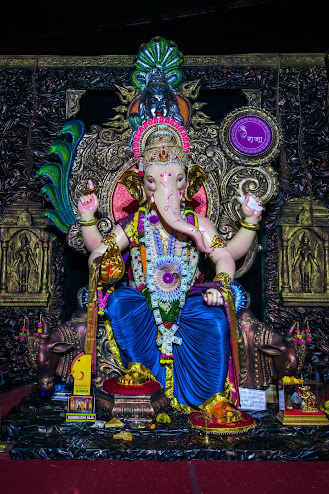
Unraveling the Secrets Behind Lord Ganesha’s Iconic Elephant Head ll भगवान गणेश के प्रतिष्ठित हाथी के सिर के पीछे का रहस्य

The divine figure of Lord Ganesha, with his unique amalgamation of human and elephant features, has captivated the hearts of millions across the world. Known as the remover of obstacles and the god of wisdom, Ganesha’s distinctive elephant head is a subject of fascination and curiosity. In this blog, we will delve into the ancient myths and symbolic representations to understand the profound significance of this iconic aspect of Lord Ganesha. The Mythical Tale The origin of Lord Ganesha’s elephant head can be traced back to the Hindu mythological story of Parvati, the goddess of power, and her devoted son, Ganesha. One day, while Parvati was bathing, she decided to create a guardian to protect her privacy. She molded a boy out of turmeric paste and breathed life into him. She instructed him not to allow anyone to enter the area while she was bathing. When Lord Shiva, the consort of Parvati, returned home, he was surprised to find a young boy denying him entry. Not recognizing Ganesha as his own son, a battle ensued between them. In a fit of rage, Lord Shiva severed the boy’s head. Upon realizing that the boy was his son, he was filled with remorse and decided to make amends. The gods intervened and suggested that Lord Shiva should replace the severed head with the first living being he encountered, which happened to be an elephant. Thus, Ganesha was granted an elephant head, and his life was restored. This tale illustrates Lord Ganesha’s resilience and symbolizes the cycle of life, death, and rebirth. The Symbolic Interpretations The elephant head of Lord Ganesha holds profound symbolism, revealing deeper spiritual meanings. a) Wisdom and Intelligence: Elephants are revered for their intelligence and memory. By adorning an elephant head, Ganesha represents the embodiment of wisdom and intellectual prowess. It reminds us to seek knowledge and understanding in our pursuit of life’s journey. b) Remover of Obstacles: The elephant head also serves as a metaphor for overcoming obstacles. Elephants are known for their strength, and Ganesha’s elephant head emphasizes the idea that with intelligence and strength, one can overcome challenges and hurdles in life. c) Unity of Duality: The combination of human and elephant features in Ganesha’s form signifies the unity of the spiritual and material worlds. It reminds us to balance our spiritual aspirations with our earthly responsibilities. Cultural and Historical Significance The depiction of deities with animal features is common in various ancient cultures. In Hinduism, animals often symbolize specific traits or aspects of the divine. Ganesha’s elephant head exemplifies this practice, signifying the coexistence of diverse traits and characteristics in a single entity. Moreover, the elephant has held immense cultural significance in India for centuries. It represents power, strength, royalty, and prosperity. By incorporating an elephant head, Lord Ganesha’s divine form is elevated with these qualities. The Inner Meaning Beyond the external narratives and symbolism lies a deeper, inner meaning behind Lord Ganesha’s elephant head. The human body represents the physical realm, and the head symbolizes the mind and intellect. In contrast, the elephant head signifies a heightened consciousness, transcending ordinary human awareness. This aspect urges us to rise above our limited understanding and embrace a higher level of consciousness. The universality of Lord Ganesha’s symbolism extends beyond Hinduism. His image has transcended cultural and religious boundaries, becoming a recognized symbol of wisdom, intellect, and good fortune worldwide. In recent years, Ganesha’s image has gained popularity in Western cultures as a spiritual icon, transcending religious affiliations. Lord Ganesha’s iconic elephant head serves as a beautiful representation of the richness and complexity of Hindu mythology. It goes beyond being a mere fantastical tale and carries profound lessons about wisdom, resilience, and unity. The combination of human and animal features reveals the eternal quest of humankind to transcend its limitations and seek divine wisdom. Whether one views Lord Ganesha as a religious figure or a symbol of universal values, his elephant head remains a timeless and awe-inspiring aspect that continues to inspire and intrigue people across the globe. Embracing the essence of Ganesha’s message, we can find strength, wisdom, and the determination to overcome obstacles in our own lives, making our journey on this earth a more enlightened and fulfilling one.

Unraveling the Secrets Behind Lord Ganesha’s Iconic Elephant Head ll भगवान गणेश के प्रतिष्ठित हाथी के सिर के पीछे का रहस्य Read More »

Ganesh Chaturthi Prasad 2023 ll जानिए गणेश जी को कौन सा प्रसाद चढ़ाया जाता है?

Ganesh Chaturthi, a significant Hindu festival celebrated with immense devotion and fervor, honors the birth of Lord Ganesha, the elephant-headed deity. During this auspicious occasion, devotees offer various offerings, known as “prasad,” to seek the blessings of the revered God. The selection of the appropriate prasad holds great importance, as it reflects the devotee’s love and dedication towards Lord Ganesh. In this blog, we will explore some of the traditional and preferred prasad items that devotees offer to Ganesh Ji. The Significance of Prasad In Hinduism, prasad signifies the divine grace of the deity. It is believed that when devotees offer something to the Gods with pure devotion and love, the offering is blessed and imbued with divine energy. This blessed offering is then distributed among the devotees, symbolizing the sharing of divine blessings. The prasad acts as a conduit of divine grace and serves as a reminder of the sacred connection between the devotee and the deity. Prasad for Lord Ganesh Lord Ganesh, the remover of obstacles and the harbinger of wisdom, is said to be fond of a variety of offerings. Devotees, with reverence and love, prepare these prasad items to seek His blessings and to express their gratitude. Let us delve into some of the traditional prasad options offered to Ganesh Ji: Modak Modak, a delectable sweet treat, holds the prime spot as Lord Ganesh’s favorite prasad. These rice flour dumplings are stuffed with a delicious mixture of jaggery, grated coconut, and dry fruits, making them an irresistible delight. The significance of offering modak lies in the belief that it pleases the benevolent God and ensures the fulfillment of devotees’ wishes. Ladoo Ladoo, another beloved sweet, is often offered to various deities, including Ganesh Ji. These round, sugar-coated sweets come in different flavors, such as coconut, sesame, and besan (gram flour). The round shape of the ladoo symbolizes completeness and unity, reminding devotees of the all-encompassing nature of the divine. Durva Grass Apart from sweets, Lord Ganesha also has a penchant for the Durva grass, also known as “arugampul” or “durva.” Devotees offer this sacred grass, typically in sets of 21, as a symbol of their sincere prayers and devotion. Legend has it that Lord Ganesh once consumed this grass to soothe His upset stomach, bestowing it with divine significance. Coconut The humble coconut is a customary offering to several Hindu deities, and Ganesh Ji is no exception. The breaking of a coconut symbolizes the breaking of the ego and the surrender of the self to the divine will. The water inside the coconut is considered pure and is distributed as prasad to the devotees after the ritual. Banana Bananas, with their natural sweetness and nutritional value, are considered auspicious fruits offered to Lord Ganesh. The banana plant is also believed to be a representation of fertility and prosperity, making it a popular prasad during Ganesh Chaturthi celebrations. Puffed Rice (Murmura) Murmura, or puffed rice, is a simple yet delightful prasad item. It is offered to Lord Ganesh as a symbol of humility, as the puffed rice expands upon heating, signifying the expansion of consciousness and spiritual growth. Jaggery (Gur) Jaggery, a traditional Indian sweetener, is commonly used as an offering to Ganesh Ji. Its rich and earthy flavor represents the essence of life, reminding devotees of the impermanence of worldly pleasures and the importance of seeking spiritual bliss. Offering prasad to Lord Ganesh during Ganesh Chaturthi is a cherished tradition that epitomizes love, devotion, and gratitude. The choice of prasad items, such as modak, ladoo, durva grass, coconut, banana, puffed rice, and jaggery, is deeply rooted in symbolism and mythology. By presenting these offerings to Ganesh Ji, devotees seek His blessings for wisdom, prosperity, and the removal of obstacles on their life’s journey. Ganesh Chaturthi provides an opportunity for devotees to connect with Lord Ganesh on a spiritual level and reflect on the significance of humility, purity, and devotion. As we continue to celebrate this auspicious occasion, let us remember that the true essence of prasad lies not only in the physical offering but also in the sincerity and love with which it is presented.

Ganesh Chaturthi Prasad 2023 ll जानिए गणेश जी को कौन सा प्रसाद चढ़ाया जाता है? Read More »

Scroll to Top