- Table of Contents
- Introduction
- Understanding Ganesh Chaturthi
- Significance of the Pooja Thali
- Materials Required
- Thali Selection
- Decorative Items
- Preparing the Pooja Thali
- Cleaning the Thali
- Arranging the Items
- Rangoli Designs for the Thali
- Simple Rangoli Patterns
- Intricate Rangoli Designs
- Placing the Deity’s Idol
- Lighting the Diyas and Candles
- Offerings for the Pooja Thali
- Final Touches
- Special Decorations for Ganesh Chaturthi
- Involve Kids in the Decoration
- Eco-Friendly Decor Ideas
- Tips for Photographing the Decorated Thali
Ganesh Chaturthi is a significant festival celebrated with
great fervor across India, honoring Lord Ganesha’s birth. One of the essential
elements of this auspicious occasion is the pooja thali, where various items
are arranged to conduct the rituals. Decorating the pooja thali not only adds
charm to the festivities but also creates a divine ambience. In this blog, we
will guide you through the process of adorning the pooja thali in a beautiful
and meaningful manner.

Understanding Ganesh Chaturthi
Ganesh Chaturthi, spanning ten days, is an auspicious
festival devoted to Lord Ganesha, who is revered as the harbinger of prosperity
and wisdom, and the one who dispels obstacles from our path.The festival begins
with the installation of Ganesha’s idol at homes or pandals, and it concludes
with the grand immersion of the idols in water bodies.
Significance of the Pooja Thali
The pooja thali plays a vital role in performing the rituals
during Ganesh Chaturthi. It is the focal point where all the offerings and
prayers are placed. The decorated thali symbolizes respect and devotion towards
Lord Ganesha.
Before you begin decorating the pooja thali, gather the
following materials:
Thali Selection
Choose a thali made of metal, such as brass or silver, or
opt for eco-friendly options like banana leaves or terracotta.
Decorative Items
Collect decorative items like kumkum (vermilion), haldi
(turmeric), rice grains, flowers, incense sticks, camphor, and colorful
ribbons.
Preparing the Pooja Thali
Follow these steps to prepare the pooja thali:
1.Cleaning the Thali
Clean the thali thoroughly and wipe it dry to ensure it is
free from any dust or impurities.
2.Arranging the Items
Place the items symmetrically on the thali. Use small bowls
or containers to hold the materials.
3.Rangoli Designs for the Thali
Rangoli adds a traditional touch to the pooja thali. Here
are some design ideas:
4.Simple Rangoli Patterns
Om Symbol
Swastika
Conch Shell
Intricate Rangoli Designs
Ganesha Motif
Peacock Feather
Placing the Deity’s Idol
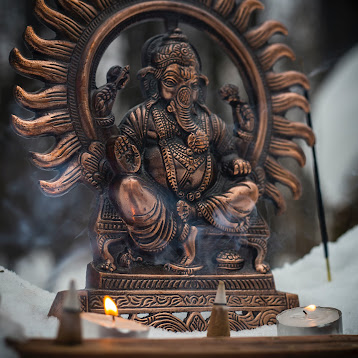
Position the idol of Lord Ganesha in the center of the
thali, ensuring it is stable and secure.
5.Lighting the Diyas and Candles
Light diyas (oil lamps) or candles around the idol to invoke
positive energy and a sense of divinity.
6.Offerings for the Pooja Thali
Place offerings like fruits, sweets, and coconut in front of
the idol as a gesture of gratitude and love.
7.Final Touches
Add fresh flower petals or garlands to enhance the thali’s
appeal and aroma.
Special Decorations for Ganesh Chaturthi
During Ganesh Chaturthi, you can add special decorations
like miniature umbrellas, decorative lights, and tassels to the thali.
Involve Kids in the Decoration
Make the pooja thali decoration a family affair by involving
children in the process. Let them use their creativity to make the thali look
more vibrant.
Eco-Friendly Decor Ideas
Opt for eco-friendly decorations by using natural materials
like flowers, leaves, and biodegradable items for the thali.
Tips for Photographing the Decorated Thali
Capture the beauty of your decorated thali by following
these photography tips:
a)Use natural light
b)Focus on the details
c)Experiment with angles
Conclusion
Decorating the pooja thali on Ganesh Chaturthi is an art
that combines tradition and creativity. The beautifully adorned thali creates
an atmosphere of spiritual bliss and reverence. Embrace this joyous occasion
with enthusiasm and devotion, and let the divine presence of Lord Ganesha fill
your home with blessings.
FAQs
1.What is the significance of Ganesh Chaturthi?
symbolizes new beginnings, wisdom, and prosperity.
2.Can I use an eco-friendly thali for the pooja?
terracotta is a great choice to reduce environmental impact.
3.How can I involve kids in the decoration process?
and draw rangoli patterns on the thali.
4.What should be the ideal size of the thali?
but it should be large enough to accommodate all the items comfortably.
5.Is it necessary to use traditional rangoli patterns?
essence of the festival intact.