हिंदी सारांश:
- Explore the sacred symbolism of serpents adorning Lord Shiva, Vishnu, and Ganesha this Nag Panchami 2026.
- Understand how the serpent represents divine power, cosmic energy, and liberation in Vedic traditions.
- Learn the significance of Naga worship for protection, prosperity, and spiritual growth.
Significance & Vedic Context
Nag Panchami, a significant festival celebrated across India, honors the divine serpent deities, the Nagas. In 2026, this auspicious occasion invites a deeper understanding of the profound symbolism associated with serpents in Hinduism, particularly their intimate connection with the principal deities of the Hindu pantheon: Lord Shiva, Lord Vishnu, and Lord Ganesha.
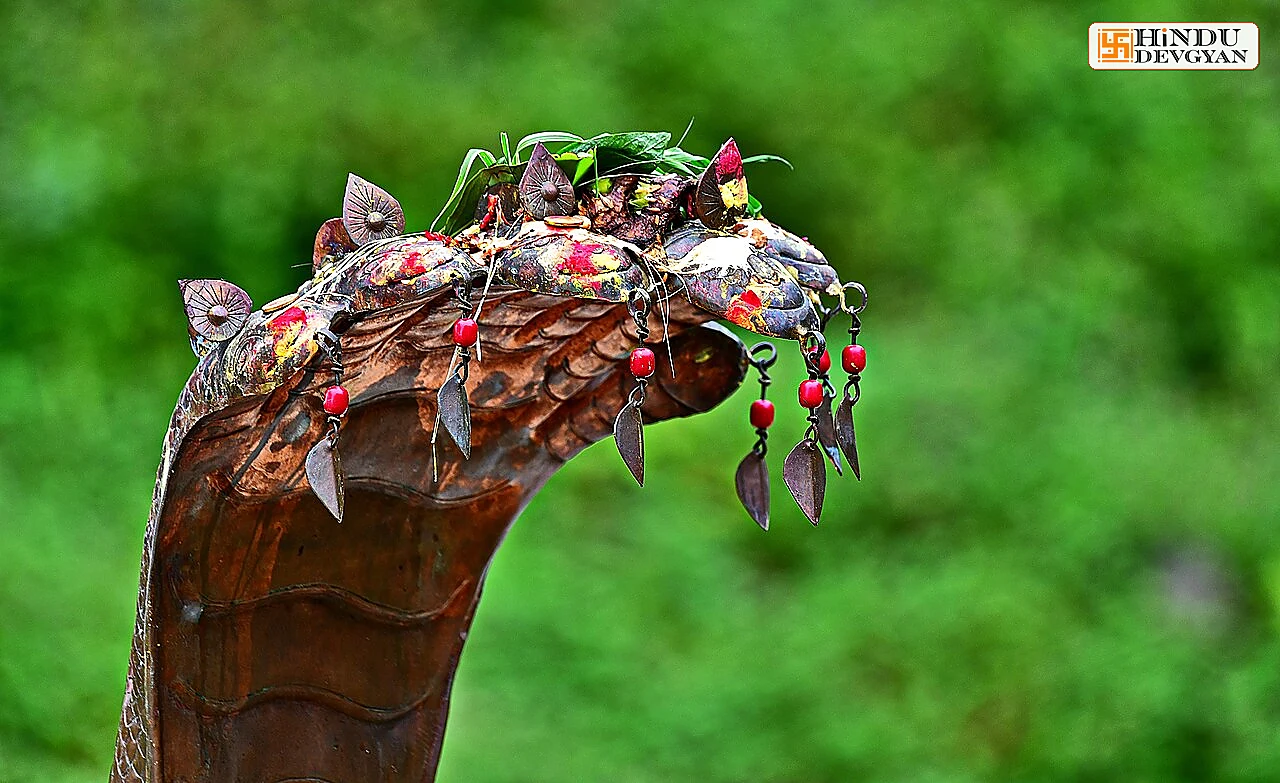
The serpent, or ‘Naga’, is far more than just a creature; it embodies potent cosmic forces. In Vedic cosmology, serpents represent primal energy, eternity, and the cyclical nature of creation, preservation, and destruction. They are guardians of hidden treasures, both material and spiritual, and are often depicted as conduits between the earthly and the divine realms.
The Serpent with Lord Shiva: Embodiment of Transformation and Control
Lord Shiva, the destroyer and transformer, is famously adorned with Vasuki, the king of Nagas, coiled around his neck. This imagery signifies Shiva’s absolute control over primal energies and his ability to transcend destructive forces. The serpent represents Kundalini Shakti, the dormant spiritual energy within every individual. By wearing the serpent, Shiva symbolizes his mastery over this powerful force, making it a source of cosmic energy rather than chaos. It also represents his ascetic nature, his detachment from the material world, and his embrace of the primal aspects of existence. The serpent’s shed skin is a metaphor for rebirth and spiritual renewal, mirroring Shiva’s role in the cosmic cycle.
Transform Your Home’s Energy Today!
Discover the ancient secrets to attracting wealth, health, and harmony. Download our premium 5-chapter Vastu Shastra guide instantly.
The Serpent with Lord Vishnu: The Cosmic Bed of Eternity
Lord Vishnu, the preserver of the universe, is depicted in his divine repose upon the multi-headed serpent, Sheshnag (also known as Ananta Shesha). Sheshnag represents eternity, infinity, and the foundational support of the entire cosmos. Vishnu resting on Sheshnag symbolizes that the entire universe, in its vastness and complexity, is sustained by the divine will and rests upon the eternal consciousness represented by the serpent. Sheshnag’s thousand heads are said to represent the thousand divine names of Vishnu, or the infinite time that has passed and will pass. This imagery underscores Vishnu’s role as the supreme cosmic being who oversees and upholds all existence.
The Serpent with Lord Ganesha: The Symbol of Self-Control and Wisdom
Lord Ganesha, the remover of obstacles and the god of wisdom, is also often depicted with a serpent coiled around his belly. This association signifies several profound aspects. The serpent represents the Kundalini energy, which Ganesha, as the patron of new beginnings and wisdom, helps to awaken and control. The coiled serpent around his belly also symbolizes his immense capacity to absorb and contain all obstacles and challenges, embodying the power of self-mastery and control over one’s desires and ego. It represents the ability to digest difficulties and emerge victorious, a key attribute of Ganesha. It also signifies his connection to the earth’s primal energies and his role as a protector.
Sanskrit Shloka:
अनन्तः शेषः फणीन्द्रश्च तक्षकः कर्कोटकः।
धनञ्जयो महाशङ्खः पद्मश्चेति नगाष्टकम्॥Transliteration:
📲 Join Our WhatsApp Channel
रोज़ सुबह पाएं — पंचांग, मंत्र, और आध्यात्मिक ज्ञान सीधे WhatsApp पर。
Get daily Panchang, Mantras & Spiritual Wisdom every morning.Anantah Sheshah Phaneendrascha Takshakah Karkotakah,
Dhananjayo Mahashankhah Padmashcheti Nagashtakam.Word-by-Word Meaning:
Ananta, Shesha, Phaneendra (king of serpents), Takshaka, Karkotaka, Dhananjaya, Mahashankha, Padma – these are the eight great serpents.
Significance: This shloka lists prominent Naga deities, highlighting their reverence in Vedic tradition and their association with cosmic power and protection.
Rituals, Vidhi & Muhurat
During Nag Panchami, devotees offer prayers and milk to the serpent deities to seek blessings for protection, prosperity, and good health. Special pujas are performed, often at serpent shrines or at home altars.
General Puja Vidhi:
- Purification: Begin by cleaning your home and puja space.
- Idol/Image: Place an idol or image of a serpent deity (or Lord Shiva, Vishnu, or Ganesha) at the altar. You can also use a drawing of a serpent made with rice flour.
- Offerings: Offer raw milk mixed with a little Gangajal, rice, kumkum, haldi, flowers, and incense sticks.
- Mantra Chanting: Chant the mantras dedicated to the Nagas or the respective deities.
- Aarti: Perform the aarti with a ghee or oil lamp.
- Brahmin Bhojan: If possible, feed Brahmins or the needy.
The precise timing for Nag Panchami rituals in 2026 will be detailed in the Panchang. It is crucial to consult a reliable Panchang for the auspicious timings (Shubh Muhurat) to ensure the rituals are performed with utmost sanctity and efficacy.
Dos and Don’ts:
- Do: Offer milk and prayers to serpents, especially on this day. Show respect to any snake encountered.
- Don’t: Harm or disturb snakes. Avoid digging the earth on Nag Panchami, as it is believed to disturb the Nagas.
Frequently Asked Questions
Why is milk offered to serpents on Nag Panchami?
Offering milk is a symbolic gesture of nurturing and appeasement. It is believed that the snake gods are pleased by this offering, which also symbolizes the sustenance and flow of life-giving energies.
What is the significance of the serpent around Lord Shiva’s neck?
The serpent around Lord Shiva’s neck represents his mastery over primal energies, Kundalini Shakti, and his ascetic nature. It signifies his control over destructive forces and his ability to transform them.
Can I worship Ganesha with a serpent symbolism on Nag Panchami?
Yes, Lord Ganesha is often depicted with a serpent, symbolizing self-control and the ability to overcome obstacles. Worshipping him with this understanding on Nag Panchami is highly auspicious.
Understanding these profound symbols allows us to connect deeper with the spiritual essence of Hinduism. For personalized guidance on auspicious timings or astrological insights, consider a detailed Kundli analysis. Exploring concepts of cosmic order also relates to principles found in the Bhagavad Gita and practices that align with harmonious living, such as those found in Vastu Shastra.
🔮 Curious About Your Birth Chart?
Discover your exact career path, marriage compatibility, and planetary dashas based on your exact birth time.
⭐ Recommended for You
Contains affiliate links. We earn a small commission at no extra cost to you.
Pure Nepali Rudraksha. Enhances focus and brings Lord Shiva’s blessings.