
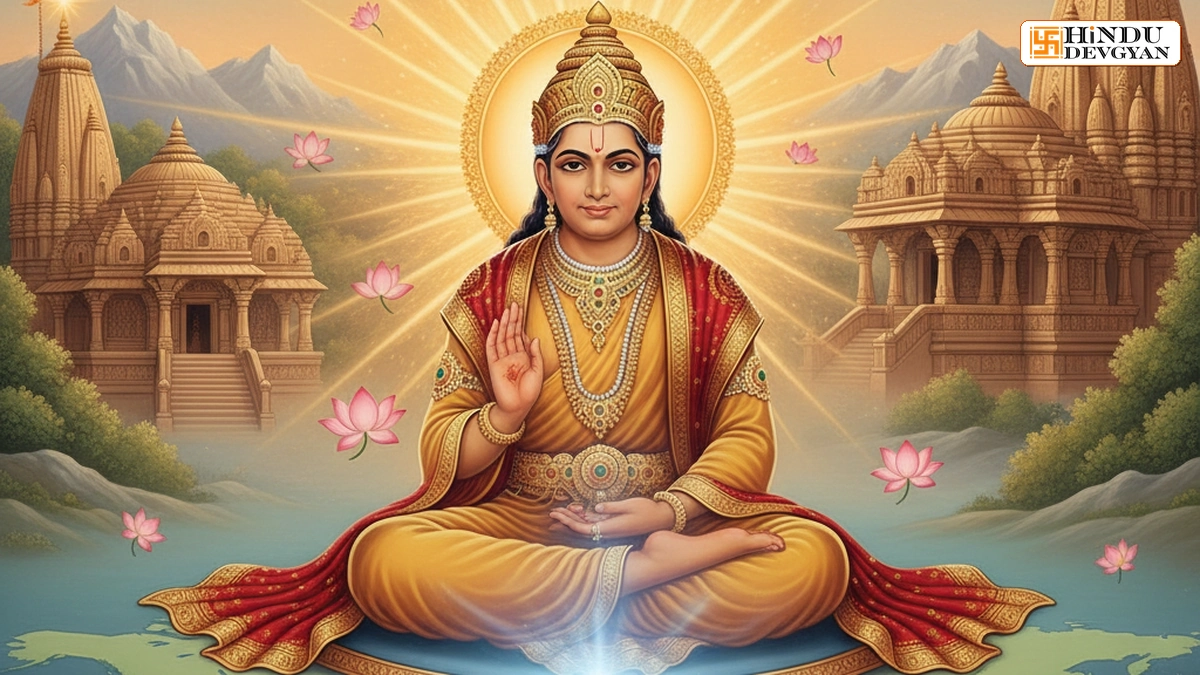
हिंदी सारांश:
- मोहन भागवत जी ने स्पष्ट किया कि भारत का ‘विश्वगुरु’ का पद युद्ध या धर्म परिवर्तन के माध्यम से नहीं, बल्कि अपने सनातन मूल्यों और ज्ञान के प्रसार से प्राप्त हुआ है।
- यह लेख बताता है कि कैसे ‘वसुधैव कुटुम्बकम्’ और ‘सर्वे भवन्तु सुखिनः’ जैसे सार्वभौमिक सिद्धांत भारत की वैश्विक पहचान का आधार बने, बिना किसी सैन्य या धार्मिक आक्रमण के।
- भारत का विश्वगुरु बनना केवल एक राष्ट्र की उपलब्धि नहीं, बल्कि मानवता के लिए आध्यात्मिक, नैतिक और बौद्धिक नेतृत्व का एक अनूठा उदाहरण है।
In a world often defined by power struggles and territorial conquests, the idea of a nation rising to global prominence without ever wielding a sword for expansion or forcing religious conversions seems almost mythical. Yet, this is precisely the enigma of India, the land Bharat. Recently, this profound question resonated across the spiritual landscape, with a deeply insightful answer provided by RSS Sarsanghchalak Dr. Mohan Bhagwat. His words cut through the contemporary noise, reaffirming India’s ancient, unique blueprint for becoming a ‘Vishwaguru’ – a global teacher.
Today, on Tuesday, 01 September 2026, as humanity navigates complex challenges, India’s model of soft power, rooted in timeless wisdom, offers a compelling alternative. It’s not about dominance, but about dialogue; not about subjugation, but about spiritual upliftment.
Significance & Vedic Shastric Context
The concept of ‘Vishwaguru’ transcends mere political or economic supremacy. It speaks of a nation whose civilization, values, and knowledge become a guiding light for the entire world. From the dawn of recorded history, India has embodied this role, not through the might of armies, but through the profound wisdom of its Rishis and the universal embrace of its philosophies. The Vedas, Upanishads, and the Bhagavad Gita are not just scriptures; they are repositories of a cosmic understanding of existence, Dharma, Karma, and the interconnectedness of all life.
Transform Your Home’s Energy Today!
Discover the ancient secrets to attracting wealth, health, and harmony. Download our premium 5-chapter Vastu Shastra guide instantly.
Dr. Bhagwat highlighted that India’s ascent as a Vishwaguru was organic, stemming from its inherent nature to foster peace, knowledge, and universal well-being. This vision is encapsulated in one of the most revered Sanskrit shlokas:
सर्वे भवन्तु सुखिनः सर्वे सन्तु निरामयाः ।
सर्वे भद्राणि पश्यन्तु मा कश्चित् दुःखभाग् भवेत् ॥
Transliteration: Sarve Bhavantu Sukhinah Sarve Santu Niramayaah |
Sarve Bhadraani Pashyantu Maa Kashchit Dukha Bhaag Bhavet ||
📲 Join Our WhatsApp Channel
रोज़ सुबह पाएं — पंचांग, मंत्र, और आध्यात्मिक ज्ञान सीधे WhatsApp पर。
Get daily Panchang, Mantras & Spiritual Wisdom every morning.Word-by-Word Meaning:
- Sarve: All
- Bhavantu: May they be
- Sukhinah: Happy, prosperous
- Santu: May they be
- Niramayaah: Free from illness, healthy
- Bhadraani: Auspicious things, welfare
- Pashyantu: May they see
- Maa: Not
- Kashchit: Anyone
- Dukha Bhaag: Share in sorrow, suffering
- Bhavet: May there be
Overall Meaning: May all be happy. May all be free from illness. May all see what is auspicious. May no one suffer.
This profound prayer epitomizes India’s civilizational ethos: an unwavering commitment to the welfare of all beings, without distinction. This is the very foundation of India’s Vishwaguru status, a spiritual leadership born of empathy and wisdom.
The Vishwaguru Blueprint: Principles for Global Harmony
So, what exactly constitutes this ‘blueprint’ that allowed India to influence the world without conquest? It’s a multi-faceted approach, deeply embedded in Vedic principles, shaping not just individual lives but also societal structures:
- Dharma (Righteous Conduct): At its core, Dharma is universal righteousness, the moral and ethical foundation that upholds cosmic order. India’s emphasis on living a Dharmic life meant prioritizing duty, ethics, and virtue over selfish gain. This principle fostered stability and justice, inspiring others through example. Explore more about the eternal principles of Dharma and Karma in our dedicated section on Gita Wisdom.
- Gyan (Knowledge & Education): Ancient India was a hub of learning, with institutions like Nalanda and Taxila attracting scholars globally. From mathematics and astronomy to medicine (Ayurveda) and metaphysics, India freely shared its intellectual treasures. The pursuit of knowledge was seen as a path to liberation, not a tool for domination.
- Seva (Selfless Service): The spirit of ‘Seva’ – selfless service to humanity and all creation – has always been paramount. India’s philosophical traditions taught that true fulfillment comes from contributing to the well-being of others, a principle that continues to resonate globally in humanitarian efforts.
- Ahimsa (Non-Violence): Though not always perfectly practiced, the ideal of Ahimsa, or non-violence towards all living beings, has been a powerful undercurrent in Indian thought, profoundly influencing global peace movements and ethical considerations.
- Yoga & Ayurveda (Holistic Well-being): These ancient sciences, now embraced worldwide, offer pathways to physical, mental, and spiritual health. They are gifts from India that enhance human potential and address suffering at a fundamental level.
- Vasudhaiva Kutumbakam (The World is One Family): This ultimate declaration of universal brotherhood denies any basis for conflict or division. It’s an inclusive philosophy that sees all diverse cultures, religions, and peoples as part of a single cosmic family, promoting harmony and mutual respect.
Living the Vishwaguru Ideal: Essential Principles for Modern Life
How can these timeless principles guide us today, especially as we seek to emulate the Vishwaguru ideal in our own lives? It’s not about becoming a spiritual guru for the world, but about embodying these values in our daily conduct, fostering peace and wisdom within our spheres of influence. To understand the cosmic rhythms that govern our lives and inform our spiritual journey, one can consult resources like the Panchang.
- Cultivate Inner Peace: Engage in practices like meditation, pranayama, and self-reflection to calm the mind and connect with your inner self. A peaceful individual contributes to a peaceful world.
- Practice Compassion: Extend empathy and kindness to all beings, understanding that their joys and sorrows are intertwined with your own.
- Seek and Share Knowledge: Be a lifelong learner, and generously share your insights and wisdom with others, fostering intellectual and spiritual growth in your community.
- Embrace Diversity: See the world as a global family, celebrating differences and seeking common ground, rather than dwelling on divisions.
- Live Sustainably: Respect nature and all its creations, understanding that our well-being is intrinsically linked to the health of the planet. This aligns with the ancient Indian reverence for Mother Earth.
- Perform Your Duty (Svadharma): Fulfill your responsibilities with sincerity and dedication, understanding that every action, big or small, contributes to the collective good.
India’s journey to becoming a Vishwaguru is a testament to the power of principles over conquest, wisdom over force. It is a reminder that true global leadership stems from a heart committed to universal well-being, an intellect dedicated to truth, and a spirit rooted in divine harmony. For deeper personal insights and guidance on your spiritual path, consider consulting a Free Kundli analysis to understand your unique cosmic blueprint.
Frequently Asked Questions
Q1: What does ‘Vishwaguru’ mean?
A1: ‘Vishwaguru’ translates to ‘World Teacher’ or ‘Global Guru,’ signifying a nation or civilization that provides spiritual, intellectual, and moral guidance to the entire world.
Q2: How is India’s path to Vishwaguru unique compared to other historical empires?
A2: Unlike empires built through military conquest, political dominance, or religious conversion, India achieved its Vishwaguru status through the voluntary dissemination of its profound spiritual wisdom, philosophical traditions, sciences, and arts, fostering universal well-being and knowledge.
Q3: What are some core Indian principles that define its Vishwaguru role?
A3: Key principles include Dharma (righteousness), Ahimsa (non-violence), Gyan (knowledge), Seva (selfless service), and Vasudhaiva Kutumbakam (the world is one family), all aimed at universal harmony and human flourishing without coercion.
🔮 Curious About Your Birth Chart?
Discover your exact career path, marriage compatibility, and planetary dashas based on your exact birth time.
⭐ Recommended for You
Contains affiliate links. We earn a small commission at no extra cost to you.
Auspicious copper vessel for Puja, Kalash Sthapana and daily water offerings.

