हिंदी सारांश:
- जन्माष्टमी 2027 पर बाल गोपाल को भोग लगाने के लिए कोई निश्चित संख्या नहीं है; भक्ति और बच्चे की तरह उनकी देखभाल महत्वपूर्ण है।
- शास्त्रों के अनुसार, भोग लगाते समय पवित्रता, श्रद्धा और तुलसी दल का प्रयोग करना अनिवार्य है।
- सबसे बड़ी गलती है भोजन को बिना श्रद्धा के या चख कर अर्पित करना; इससे बचें और पूर्ण समर्पण से भोग लगाएं।
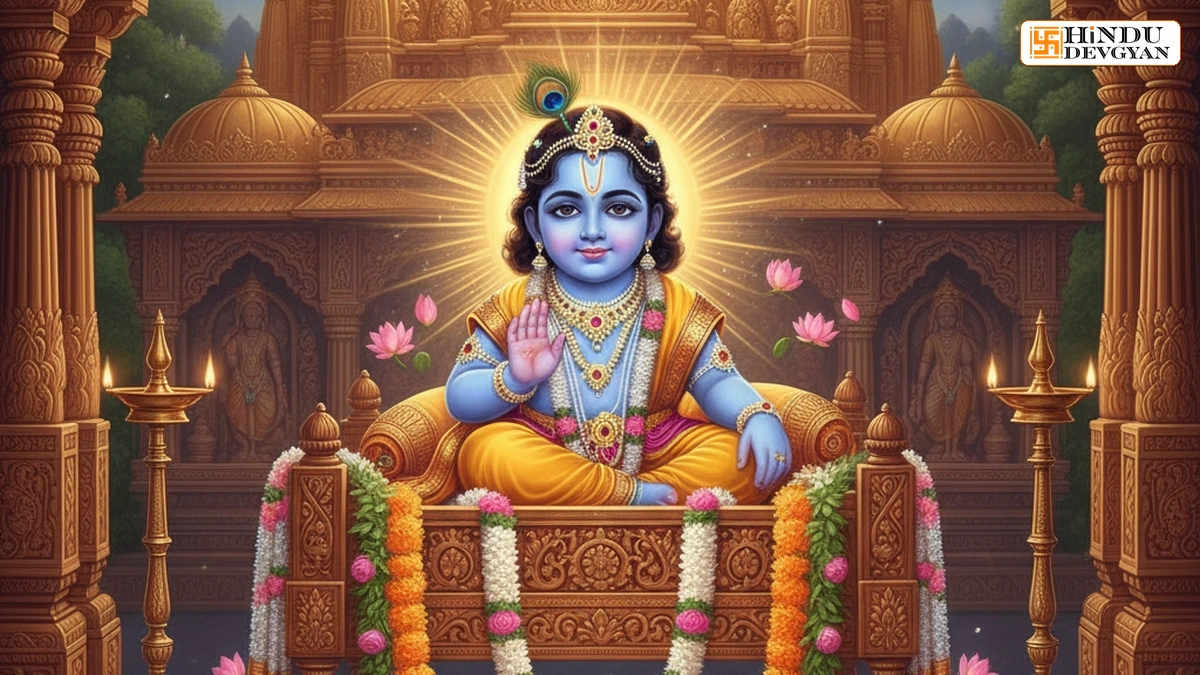
As the celestial winds whisper tales of devotion and joy, our hearts turn to the enchanting festival of Janmashtami. Imagine the divine presence of Baby Krishna, Bal Gopal, gracing your home – a beacon of innocence, mischief, and boundless love. Preparing offerings for Him, known as ‘Bhog,’ is not merely a ritual; it’s a profound act of love, a spiritual communion that transcends the mundane. But how many times should one offer Bhog to our beloved Bal Gopal on Janmashtami, and what do our ancient scriptures truly decree? As your spiritual guide and companion, I unravel the mysteries behind this sacred practice, ensuring your devotion blossoms into unparalleled joy and divine connection this Janmashtami 2027.
Significance & Vedic Shastric Context
The practice of offering Bhog to deities is deeply rooted in the Vedic tradition, symbolizing our gratitude, surrender, and love for the Divine. For Bal Gopal, who embodies eternal childhood, this act takes on an even more tender and personal dimension. He is a child, vibrant and playful, who loves to eat! Our scriptures, particularly the Puranas and various Vaishnava texts, emphasize the importance of bhava (emotion) and shraddha (faith) in any offering. When you offer Bhog to Bal Gopal, you are not just presenting food; you are nourishing the Lord with your very essence, your purest affection.
Lord Krishna Himself, in the Bhagavad Gita, highlights the simplicity and profound impact of such devotion:
Transform Your Home’s Energy Today!
Discover the ancient secrets to attracting wealth, health, and harmony. Download our premium 5-chapter Vastu Shastra guide instantly.
पत्रं पुष्पं फलं तोयं यो मे भक्त्या प्रयच्छति।
तदहं भक्त्युपहृतमश्नामि प्रयतात्मनः॥
(Patraṁ puṣpaṁ phalaṁ toyaṁ yo me bhaktyā prayacchati |
Tadahaṁ bhaktyupahṛtam aśnāmi prayatātmanaḥ ||)
— Bhagavad Gita 9.26Word-by-word meaning:
पत्रं (patram): a leaf
पुष्पं (puṣpam): a flower
फलं (phalam): a fruit
तोयं (toyam): water
यः (yaḥ): whoever
मे (me): to Me
भक्त्या (bhaktyā): with devotion
प्रयच्छति (prayacchati): offers
तत् (tat): that
अहम् (aham): I
भक्त्युपहृतम् (bhaktyupahṛtam): offered with devotion
अश्नामि (aśnāmi): accept/eat
प्रयतात्मनः (prayatātmanaḥ): by a pure-hearted oneTranslation: Whoever offers Me with devotion a leaf, a flower, a fruit, or water – that offering of love, of the pure-hearted, I accept.
📲 Join Our WhatsApp Channel
रोज़ सुबह पाएं — पंचांग, मंत्र, और आध्यात्मिक ज्ञान सीधे WhatsApp पर。
Get daily Panchang, Mantras & Spiritual Wisdom every morning.
This shloka beautifully encapsulates the essence of Bhog – it’s the devotion that truly matters, more than the opulence of the offering itself. For Bal Gopal, who is ever-present and ever-loving, every sincere offering becomes a feast.
Step-by-Step Vidhi, Shubh Muhurat & Planetary Influences
Janmashtami 2027, the glorious appearance day of Lord Krishna, falls on Monday, August 16th. This is a day of immense spiritual potency, and observing the rituals with precision and devotion amplifies their benefits manifold.
Janmashtami 2027 Auspicious Timings:
- Krishna Janmashtami Date: Monday, August 16, 2027
- Ashtami Tithi Begins: August 15, 2027, at approximately 09:30 PM
- Ashtami Tithi Ends: August 16, 2027, at approximately 09:20 PM
- Rohini Nakshatra Begins: August 16, 2027, at approximately 12:45 AM
- Rohini Nakshatra Ends: August 17, 2027, at approximately 01:20 AM
- Nishita Puja Time (Midnight Celebration of Birth): August 16, 2027, 12:00 AM to 12:45 AM (This is the period between Aug 16th and Aug 17th, when Lord Krishna’s birth is celebrated.)
Please note that these timings are approximate and may vary slightly based on geographical location. Always consult a local Panchang or an experienced priest for precise muhurats for your specific region.
How Many Times to Offer Bhog? The Shastric Guidance:
The scriptures do not prescribe a rigid number of times for offering Bhog to Bal Gopal. Instead, they emphasize continuous care, much like one would for a beloved child. Traditionally, devotees offer Bhog multiple times throughout the day, mirroring a child’s feeding schedule:
- Morning Bhog (Mangala Bhog): Soon after Bal Gopal’s morning bath and adornment. This usually consists of fruits, milk, or light snacks.
- Midday Bhog (Rajbhog): A more elaborate meal, typically offered around noon. This can include a variety of Sattvic dishes like rice, lentils, vegetables, sweets, and bread.
- Evening Bhog (Sandhya Bhog): A lighter offering as dusk settles, often fresh fruits, milk, or a simple sweet.
- Midnight Bhog (Janmotsav Bhog): The most significant offering, presented precisely at midnight to celebrate His birth. This traditionally includes Panjiri (a dry sweet made with whole wheat flour, ghee, sugar, and dry fruits), Makhan-Mishri (butter and rock sugar), and Kheer (rice pudding).
- Nighttime Bhog (Shayan Bhog): A final, very light offering before putting Bal Gopal to rest for the night, usually just milk.
The key here is devotion (bhakti). Some devotees might offer Bhog 3-5 times, while others might do it more or less, depending on their capacity and the intricate details of their HinduDevGyan devotional practice. The spirit is to ensure Bal Gopal is cared for continuously, just as a mother cares for her child.
Step-by-Step Bhog Preparation & Offering Vidhi:
- Purity is Paramount: Ensure your kitchen, utensils, and hands are impeccably clean. Prepare the Bhog in a state of purity, preferably after a bath, and with a calm, devotional mind.
- Sattvic Ingredients: Use only fresh, pure, and Sattvic ingredients. Absolutely no onion, garlic, or non-vegetarian items are permitted.
- No Tasting: The food should never be tasted before being offered to the Lord. It must be prepared solely for Him.
- Tulasi Leaf: Always place a fresh Tulasi (holy basil) leaf on the Bhog before offering. Tulasi is immensely dear to Lord Krishna, and no offering is considered complete without it.
- Offering Altar: Place the prepared Bhog in clean, dedicated plates before Bal Gopal’s idol. Offer with folded hands, chanting the Maha Mantra (Hare Krishna Hare Krishna, Krishna Krishna Hare Hare / Hare Rama Hare Rama, Rama Rama Hare Hare) or a simple prayer.
- Allow Time: Let the Bhog remain before the deity for a few minutes (e.g., 5-10 minutes) while you meditate or chant. It is believed the Lord partakes of the subtle essence of the food.
- Prasad Distribution: After offering, the food transforms into ‘Prasad’ – consecrated food. Distribute it among family members and friends. Prasad is considered sacred and purifies the body and mind.
Important Dos & Don’ts to Avoid Shastric Karma Errors
Observing Janmashtami is a deeply spiritual journey. To ensure your devotion yields the highest spiritual merit and avoids any inadvertent karmic missteps, adhere to these guidelines:
DOs:
- Offer with Pure Intention: Let your heart be filled with genuine love and devotion. The internal state of the worshipper is more important than external grandeur.
- Maintain Utmost Cleanliness: From your body to the cooking area and the utensils, cleanliness is next to godliness.
- Always Include Tulasi: A fresh Tulasi leaf placed on each Bhog offering is essential. It purifies the offering and makes it acceptable to the Lord.
- Prepare Freshly: Offer freshly cooked food. Stale or reheated food is generally not offered.
- Fasting & Feasting: Many devotees observe a full fast until midnight, breaking it only after the birth celebration and Bhog offering.
- Chant & Meditate: Engage in chanting of Krishna’s names and meditating on His form. This enhances the spiritual atmosphere. For deeper insights into devotional practices, consider exploring wisdom from the Bhagavad Gita.
DON’Ts:
- The 1 Crucial Mistake to Avoid: Tasting Before Offering! Never taste the food before it has been formally offered to Bal Gopal. It is considered an impure offering (uchisht) if partaken by anyone before the deity. This is perhaps the most significant karmic error one can make when preparing Bhog.
- Offer Impure Foods: Avoid onion, garlic, mushrooms, non-vegetarian items, or alcohol in any form.
- Cook with Anger or Impurity: Negative emotions while cooking are believed to transfer into the food. Cook with a peaceful and loving mind.
- Leave Bhog Unattended for Too Long: Once offered, it should be distributed as Prasad reasonably quickly.
- Use Damaged or Artificial Flowers: For adornment, always use fresh, natural flowers.
By adhering to these sacred principles, your Janmashtami observance will not only bring immense joy but also profound spiritual growth, aligning your karma with divine grace. For a detailed personal astrological analysis of auspicious timings and how celestial influences might impact your spiritual practices, consider getting your Kundli analyzed.
Frequently Asked Questions
- Q1: What is the ideal number of times to offer Bhog to Bal Gopal on Janmashtami?
- A1: While there’s no fixed number in scriptures, devotees traditionally offer Bhog 3-5 times a day (morning, midday, evening, midnight, and before sleep), mimicking a child’s feeding schedule. The essence lies in continuous care and devotion rather than a strict count.
- Q2: Can I offer any type of food to Bal Gopal?
- A2: Only fresh, pure, and Sattvic food should be offered. This means avoiding onion, garlic, non-vegetarian items, alcohol, and any food that has been tasted by anyone before being offered to the deity.
- Q3: What is the significance of placing a Tulasi leaf in the Bhog?
- A3: A Tulasi (holy basil) leaf is supremely dear to Lord Krishna. Placing it on the Bhog purifies the offering and makes it immensely pleasing and acceptable to the Lord, transforming it into true Prasad.
🔮 Curious About Your Birth Chart?
Discover your exact career path, marriage compatibility, and planetary dashas based on your exact birth time.
⭐ Recommended for You
Contains affiliate links. We earn a small commission at no extra cost to you.
Complete brass thali with diya, incense holder, bell and more for daily puja.