हिंदी सारांश:
- जैन धर्म का सबसे पवित्र पर्व, पर्युषण, इस वर्ष 5 सितंबर 2026 से प्रारंभ हो रहा है।
- यह आत्म-शुद्धि, तपस्या और क्षमा का 8-10 दिवसीय महापर्व है, जिसका उद्देश्य कर्मों का क्षय करना है।
- श्रावक इस दौरान उपवास, प्रतिक्रमण और ध्यान के माध्यम से अपनी आत्मा को पवित्र करते हैं और गलतियों के लिए क्षमा मांगते हैं।
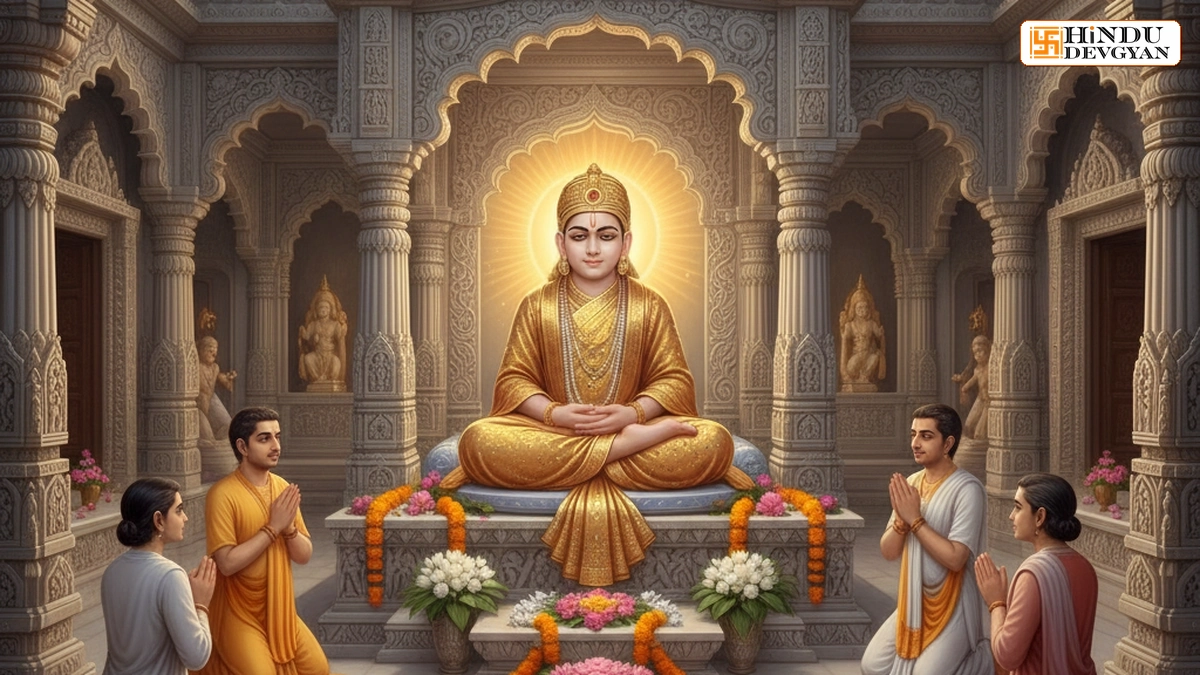
As an elite Hindu Religious Scholar, I’ve had the privilege of exploring the profound spiritual traditions that enrich our Bharata Bhoomi. Among these, the sacred observances of Jainism stand out for their rigorous self-discipline and unwavering commitment to universal compassion. Today, as we stand on Friday, 04 September 2026, the air is already charged with spiritual anticipation, for tomorrow, a most revered period in the Jain calendar commences: Paryushan Parv 2026. Revered as the ‘King of Festivals’ (Parvon ka Raja), Paryushan is not just a celebration; it is an intense, eight-to-ten-day journey of the soul towards purification and liberation.
For those unacquainted, Paryushan offers an unparalleled opportunity for introspection, repentance, and self-realization. It is a time when the Jain community across the globe dedicates itself to spiritual upliftment, shedding karmic impurities, and cultivating the noblest virtues. Let us embark on a journey to understand the deep significance, the sacred rituals, and the profound wisdom embedded within this unparalleled spiritual retreat.
Significance & Universal Dharmic Principles
Paryushan Parv, derived from the Sanskrit word ‘Parva’ meaning ‘a holy day’ and ‘Upasamana’ meaning ‘to subdue’ (the passions), truly embodies its essence. It is a period for subduing our inner passions, vices, and negative karma through intense spiritual practices. While distinctly Jain, its core principles of non-violence (Ahimsa), self-control (Samyama), penance (Tapa), and compassion (Karuna) resonate deeply with the foundational tenets of all Dharmic traditions, including Hinduism. It reminds us that liberation (Moksha) is achieved not through external rituals alone, but through inner transformation.
Transform Your Home’s Energy Today!
Discover the ancient secrets to attracting wealth, health, and harmony. Download our premium 5-chapter Vastu Shastra guide instantly.
During these days, Jains focus on the Das Lakshana Dharma – the ten supreme virtues: forgiveness (Kshama), humility (Mardava), straightforwardness (Arjava), contentment (Saucha), truthfulness (Satya), self-restraint (Samyama), austerity (Tapa), renunciation (Tyaga), non-possessiveness (Akincanya), and celibacy (Brahmacharya). Each day is often dedicated to a particular virtue, guiding practitioners to integrate these principles into their daily lives. The ultimate goal is to purify the soul, to burn away past karmas, and to attain spiritual enlightenment.
📲 Join Our WhatsApp Channel
रोज़ सुबह पाएं — पंचांग, मंत्र, और आध्यात्मिक ज्ञान सीधे WhatsApp पर。
Get daily Panchang, Mantras & Spiritual Wisdom every morning.
नमो अरिहंताणं।
नमो सिद्धाणं।
नमो आयरियाणं।
नमो उवज्झायाणं।
नमो लोए सव्व साहूणं।
एसो पंच णमोक्कारो, सव्व पावप्पणासणो।
मंगलाणं च सव्वेसिं, पढमं हवई मंगलं॥Namō Arihantāṇaṁ. (I bow to the Arihants, the perfected souls who have attained omniscience.)
Namō Siddhāṇaṁ. (I bow to the Siddhas, the liberated souls.)
Namō Āyariyāṇaṁ. (I bow to the Acharyas, the heads of the monastic order.)
Namō Uvajjhāyāṇaṁ. (I bow to the Upadhyayas, the preceptors who teach scriptures.)
Namō Lōē Savva Sāhūṇaṁ. (I bow to all Sadhus, the ascetics in the world.)
Ēsō Pañca Namōkkārō, Savva Pāvappanāsaṇō. (This five-fold obeisance destroys all sins.)
Maṅgalāṇaṁ Ca Savvēsiṁ, Paḍhamaṁ Havai Maṅgalaṁ. (And is the most auspicious of all auspicious mantras.)
The Navkar Mantra (or Namokar Mantra) is the most fundamental and universally recited prayer in Jainism. It is not addressed to any specific deity but offers obeisance to the five supreme spiritual beings, reminding practitioners of the path to liberation and serving as a powerful tool for purification and focus during Paryushan.
Step-by-Step Vidhi, Auspicious Dates & Spiritual Observances
Paryushan Parv is observed by both the Swetambar and Digambar sects of Jainism, though with slight differences in duration and specific observances. This year, in 2026, the auspicious period is as follows:
- Swetambar Paryushan: Commences on Saturday, September 5, 2026, and concludes on Saturday, September 12, 2026, lasting for 8 days. The final day, Samvatsari, is of paramount importance.
- Digambar Das Lakshana Parv: Begins immediately after, from Sunday, September 13, 2026, and extends for 10 days, concluding on Tuesday, September 22, 2026. The last day is observed as Kshamavani.
While specific timings for daily rituals like Pratikraman might vary by region and temple, the entire duration is considered sacred. You can always consult a reliable Panchang for precise local timings.
Key Observances:
- Fasting (Upvas): Many Jains observe partial or complete fasts, ranging from giving up certain foods to consuming only boiled water (Ayambil) or complete fasting (Nirjala Upvas). The intensity of fasting is a personal choice, undertaken for spiritual purification.
- Pratikraman: A crucial ritual of self-introspection and repentance. Performed twice daily (morning and evening) or more intensely on a grand scale (Samvatsari Pratikraman), it involves confessing misdeeds, asking for forgiveness, and resolving not to repeat errors.
- Svadhyaya (Self-Study): Reading and studying Jain scriptures, especially the Kalpa Sutra (for Swetambars), which narrates the life of Lord Mahavir, is highly encouraged. This deepens spiritual understanding.
- Dhyana (Meditation): Dedicated time for meditation and contemplation on the true nature of the self and the universe.
- Kshama Yaachana / Michhami Dukkadam: On the final day of Paryushan (Samvatsari for Swetambars, Kshamavani for Digambars), Jains universally seek forgiveness from all living beings, uttering the phrase “Michhami Dukkadam” – meaning, “May all my wrong actions be forgiven.” This embodies the spirit of universal friendship and reconciliation.
- Temple Visits & Discourses: Devotees frequent Jain temples to offer prayers, attend sermons (Pravachans) from Sadhus and Sadhvis, and participate in community spiritual activities.
Important Dos & Don’ts to Avoid Shastric Karma Errors
Paryushan is a time of heightened spiritual sensitivity. Adhering to certain practices can maximize its benefits, while neglecting them can dilute the spiritual essence.
Dos:
- Practice Ahimsa: Be extremely mindful of not harming any living being, however small. This extends to thoughts, words, and deeds.
- Observe Fasts: Undertake fasts according to your capacity, with a sincere intention for self-purification.
- Perform Pratikraman: Engage in regular introspection, repentance, and seeking forgiveness for any actions that may have caused harm.
- Study Scriptures & Meditate: Devote time to spiritual learning and quiet contemplation.
- Cultivate Forgiveness: Actively forgive others and seek forgiveness, especially on the final days with Michhami Dukkadam. This is perhaps the one crucial aspect where failing to sincerely engage can negate much spiritual effort.
- Be Compassionate: Extend kindness and compassion to all beings.
- Visit Temples: Participate in community prayers and listen to discourses from learned spiritual teachers.
Don’ts:
- Engage in Excessive Worldly Pleasures: Minimize indulgence in sensory pleasures, entertainment, and material pursuits.
- Consume Prohibited Foods: Avoid root vegetables (like onions, garlic, potatoes), green leafy vegetables, and other items that might cause harm to minute organisms or are considered stimulating.
- Speak Harsh or Untruthful Words: Maintain purity of speech and avoid gossip, criticism, or lies.
- Neglect Spiritual Duties: Do not let daily routines overshadow the primary goal of spiritual upliftment during this sacred period.
- Harm Any Living Being: This includes indirect harm or supporting industries that involve violence.
- Hold Grudges: The essence of Paryushan is forgiveness. Holding onto anger or resentment is the one mistake to avoid that can truly hinder your spiritual progress.
Frequently Asked Questions
- What is Paryushan Parv?
- Paryushan Parv is the most important annual holy festival for Jains, lasting 8 or 10 days, dedicated to spiritual purification, introspection, repentance, and self-realization.
- When is Paryushan Parv in 2026?
- Swetambar Paryushan begins on Saturday, September 5, 2026, and concludes on Saturday, September 12, 2026. Digambar Das Lakshana Parv follows from Sunday, September 13, 2026, to Tuesday, September 22, 2026.
- What is Michhami Dukkadam?
- Michhami Dukkadam is a sacred phrase uttered on the final day of Paryushan (Samvatsari/Kshamavani) where Jains humbly ask for forgiveness for any wrongdoings committed knowingly or unknowingly during the past year, from all living beings.
🔮 Curious About Your Birth Chart?
Discover your exact career path, marriage compatibility, and planetary dashas based on your exact birth time.
⭐ Recommended for You
Contains affiliate links. We earn a small commission at no extra cost to you.
Auspicious copper vessel for Puja, Kalash Sthapana and daily water offerings.