हिंदी सारांश:
- जयपुर के प्रतिष्ठित मोती डूंगरी गणेश मंदिर की विस्तृत दर्शन योजना, आगामी त्योहारों और शुभ मुहूर्तों के लिए।
- मंदिर के दर्शन समय, आरती अनुसूची, पहुंचने के तरीके, स्थानीय प्रसाद और पास के आकर्षणों की जानकारी।
- पवित्र यात्रा के लिए आवश्यक नियम, पोशाक संहिता और सावधानियाँ, विशेष रूप से गणेश चतुर्थी जैसे उत्सवों के लिए।
Namaste, seekers of divine blessings and spiritual wanderers! As an avid spiritual travel journalist and a Hindu Religious Scholar, I’ve had the immense fortune of witnessing devotion across countless sacred sites. Today, our journey takes us to the heart of Rajasthan, to the Pink City of Jaipur, and to one of its most revered spiritual jewels: the Moti Dungri Ganesh Temple.
Known for its unique idol of Lord Ganesha, where the trunk is turned towards the right (Dakshinmukhi Ganesh), this temple attracts millions of devotees annually. The sheer devotion witnessed during major festivals, such as the recent Ganesh Chaturthi in August 2026, when chants of ‘Ganpati Bappa Morya’ reverberated through the air during the Sinjara Mahotsav, is truly an experience that transcends the ordinary. If you’re planning your pilgrimage for the remainder of 2026 or into 2027, this comprehensive guide is your essential companion.
Spiritual Significance & Sacred Legends of the Temple
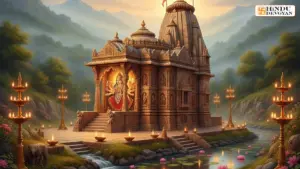
Perched atop a small hillock, Moti Dungri Ganesh Temple, an architectural marvel carved out of stone, is more than just a place of worship; it’s a living legend. Its foundation dates back to the early 18th century, but the current magnificent structure was built in 1761 by Seth Jai Ram Paliwal under the patronage of Maharaja Madho Singh I of Jaipur. The temple’s design beautifully blends Rajput and Mughal architecture, a testament to Jaipur’s rich cultural tapestry.
Transform Your Home’s Energy Today!
Discover the ancient secrets to attracting wealth, health, and harmony. Download our premium 5-chapter Vastu Shastra guide instantly.
The central deity, Lord Ganesha, is enshrined as ‘Dakshinmukhi’ – facing south. Idols with the trunk turning right are considered exceptionally powerful and auspicious, believed to grant swift fulfillment of wishes, but also requiring stricter adherence to ritual purity. Devotees often visit to seek blessings for new beginnings, prosperity, and the removal of obstacles (Vighnaharta). The annual Panchang-guided festivals like Ganesh Chaturthi are celebrated with unparalleled zeal, drawing crowds that fill the entire hillside with fervent prayers and joyous celebrations.
वक्रतुण्ड महाकाय सूर्यकोटि समप्रभ।
निर्विघ्नं कुरु मे देव सर्वकार्येषु सर्वदा॥Vakratuṇḍa Mahākāya Sūryakoṭi Samaprabha।
Nirvighnaṃ Kuru Me Deva Sarvakāryeṣu Sarvadā॥Meaning: O Lord with a curved trunk, a mighty body, and the radiance of a million suns, please make all my endeavors free of obstacles, always.
📲 Join Our WhatsApp Channel
रोज़ सुबह पाएं — पंचांग, मंत्र, और आध्यात्मिक ज्ञान सीधे WhatsApp पर。
Get daily Panchang, Mantras & Spiritual Wisdom every morning.
Darshan Timings, VIP Pass & Aarti Schedule 2026-2027
Moti Dungri Ganesh Temple generally welcomes devotees throughout the day, but specific timings are important to note for darshan and aarti:
- Morning Darshan: 5:30 AM to 1:30 PM
- Evening Darshan: 4:30 PM to 10:00 PM
- Morning Aarti: Approximately 6:00 AM (Mangala Aarti)
- Evening Aarti: Approximately 7:00 PM (Sandhya Aarti) and 9:30 PM (Shayan Aarti)
Please note that during major festivals like Ganesh Chaturthi, Diwali, and New Year (as per the Hindu calendar), these timings are significantly extended to accommodate the immense influx of devotees. While a formal ‘VIP Pass’ system is not traditionally in place for daily darshan at Moti Dungri, local arrangements might be made during peak festival days for special access or for devotees requiring assistance. Always check the official temple website or local notices for confirmed timings, especially for any auspicious Muhurat on specific dates. Today, Monday, September 14, 2026, offers standard darshan timings, providing a peaceful experience.
How to Reach & Local Transport Route Map
Moti Dungri Ganesh Temple is conveniently located in the heart of Jaipur, making it easily accessible for pilgrims.
- Nearest Airport: Jaipur International Airport (JAI) is approximately 10-12 km away. Taxis and ride-sharing services are readily available.
- Nearest Railway Station: Jaipur Junction (JP) is about 6-7 km from the temple. Auto-rickshaws, taxis, and local buses connect the station to Moti Dungri.
- Bus Stand: Sindhi Camp Bus Stand, the main inter-state bus terminal, is also around 7-8 km away.
- Local Transport: Jaipur has an extensive network of auto-rickshaws, cycle-rickshaws, and ride-sharing apps like Uber and Ola. For a unique experience, hire a local auto-rickshaw for the day to explore multiple attractions. The temple is situated just off Jawahar Lal Nehru Marg, a prominent road in Jaipur.
Best Hotels, Dharamshalas & Stay Options Near the Temple
Jaipur offers a wide range of accommodation options to suit every budget and preference:
- Luxury Stays: Hotels like The Lalit Jaipur, Radisson Blu Jaipur, and Holiday Inn Jaipur City Centre are within a 5-10 km radius, offering world-class amenities.
- Mid-Range Comfort: Numerous 3-star and 4-star hotels such as Hotel Grand Tissa, Hotel Sarang Palace, and Hotel Jaipur Palace offer comfortable stays at reasonable prices.
- Budget-Friendly & Dharamshalas: For pilgrims seeking economical options, several guesthouses and small hotels can be found in the areas surrounding Moti Dungri. There are also local HinduDevGyan-recommended Dharamshalas that provide basic, clean accommodation, often including sattvic meals. These are perfect for those prioritizing pilgrimage over luxury.
- Homestays: Jaipur also has a growing number of charming homestays that offer a personal touch and local experience.
Famous Local Prasad & Authentic Sattvic Food to Try
No pilgrimage is complete without savoring the local flavors, especially the sacred offerings:
- Modak: The quintessential favorite of Lord Ganesha, fresh modaks made from coconut and jaggery are a must-try. You’ll find vendors selling these delicious sweets just outside the temple premises.
- Laddoo: Besides modak, various types of laddoos (besan, boondi) are popular offerings and treats.
- Sattvic Thali: Several vegetarian restaurants near the temple and in the C-Scheme area offer authentic Rajasthani thalis, prepared without onion and garlic, adhering to sattvic principles. Look for places specializing in traditional Marwari cuisine.
- Pyaaz Kachori & Mirchi Vada: While not sattvic, if you wish to explore Jaipur’s street food, these savory delights are iconic. However, prioritize the sacred prasad and sattvic meals during your temple visit.
Complete 1-2 Day Itinerary & Nearby Sacred Places to Visit
Make the most of your spiritual journey to Moti Dungri with this suggested itinerary:
Day 1: Spiritual Immersion & Heritage
- Morning (5:30 AM – 9:00 AM): Begin your day with serene early morning darshan at Moti Dungri Ganesh Temple. Participate in the Mangala Aarti if possible. Spend time in peaceful contemplation.
- Late Morning (9:30 AM – 12:00 PM): Visit the adjacent Birla Mandir (Laxmi Narayan Temple), a stunning modern marble temple known for its intricate carvings and peaceful ambiance.
- Afternoon (1:00 PM – 5:00 PM): Explore the magnificent Albert Hall Museum, a treasure trove of Rajasthani art and artifacts, located just a short distance away.
- Evening (5:30 PM onwards): Enjoy a traditional Rajasthani dinner. Consider consulting Vastu principles for seating arrangements if dining in a traditional setting for enhanced positive energy.
Day 2: Royal Grandeur & City Exploration
- Morning (9:00 AM – 1:00 PM): Head to the iconic City Palace, Hawa Mahal (Palace of Winds), and Jantar Mantar (astronomical observatory). These historical sites offer a glimpse into Jaipur’s royal past.
- Afternoon (1:30 PM – 5:00 PM): Drive up to Nahargarh Fort for panoramic views of Jaipur, or visit Amer Fort for its majestic architecture and elephant rides.
- Evening: Explore the vibrant bazaars of Jaipur (Johari Bazaar, Bapu Bazaar) for souvenirs and local crafts.
Inner Sanctum Rules, Dress Code & Dos and Don’ts
- Dress Code: Modest and respectful attire is recommended. Traditional Indian wear (sarees, salwar kameez for women; kurta-pajama for men) is ideal. Shoulders and knees should be covered.
- Footwear: Footwear is not allowed inside the temple premises. Designated shoe stands are available at the entrance.
- Mobile Phones: While generally allowed, photography inside the inner sanctum is often prohibited. It’s best to switch phones to silent mode to maintain the sanctity of the environment.
- Offerings: Devotees can offer flowers, modaks, coconuts, and cash donations.
- Behavior: Maintain silence and respect inside the temple. Avoid loud conversations or disruptive behavior.
- Security: The temple can get very crowded, especially during festivals. Keep your belongings secure. Locker facilities are generally not available for personal items, so carry minimal valuables.
Frequently Asked Questions
Q1: What is the best time of year to visit Moti Dungri Ganesh Temple?
A: While the temple is open year-round, visiting between October and March offers pleasant weather for exploration. Ganesh Chaturthi (usually August/September) is the most vibrant time but also the most crowded. For a peaceful darshan, weekdays during non-festival periods are ideal.
Q2: Is there an entry fee for Moti Dungri Ganesh Temple?
A: No, there is no entry fee for darshan at Moti Dungri Ganesh Temple. However, donations for temple maintenance are welcome.
Q3: How far is Moti Dungri Ganesh Temple from Jaipur’s city center?
A: Moti Dungri Ganesh Temple is centrally located, approximately 5-7 km from major city attractions like City Palace and Hawa Mahal, making it easily accessible by local transport.
🔮 Curious About Your Birth Chart?
Discover your exact career path, marriage compatibility, and planetary dashas based on your exact birth time.
⭐ Recommended for You
Contains affiliate links. We earn a small commission at no extra cost to you.
Auspicious copper vessel for Puja, Kalash Sthapana and daily water offerings.