हिंदी सारांश:
- जैन दीक्षा में दुल्हन की तरह सजने की रस्म, सांसारिक जीवन से अंतिम विदाई और आध्यात्मिक विवाह का प्रतीक है।
- यह गहन अनुष्ठान भौतिक इच्छाओं और पारिवारिक बंधनों से पूर्ण वैराग्य और आत्म-समर्पण दर्शाता है।
- यह दीक्षा से पूर्व सांसारिक जीवन का भव्य विदाई समारोह है, जिसके बाद तपस्वी जीवन का आरंभ होता है।
From the hallowed texts of our ancient scriptures to the bustling lanes of modern spiritual practice, the journey of renunciation has always held a profound mystique. As an elite Hindu Religious Scholar and Spiritual Travel Journalist, I’ve witnessed countless expressions of faith and devotion. Yet, few rituals captivate the heart and mind quite like the ‘Bridal Diksha’ ceremony within the revered Jain tradition. On this beautiful Sunday, 27 September 2026, let’s unravel a deeply moving spiritual enigma – why do young Jain women, on the cusp of embracing the ultimate ascetic life, adorn themselves like brides?
This isn’t merely a custom; it’s a powerful narrative, a poignant farewell, and a profound declaration of spiritual intent. Join us as we uncover the layers of symbolism behind this extraordinary practice, a testament to unwavering faith and the pursuit of ultimate liberation.
Significance & Vedic Shastric Context: The Ultimate Renunciation
The Hindi phrase “दीक्षा से पहले दुल्हन की तरह क्यों सजती हैं जैन लड़कियां ?” translates to “Why do Jain girls dress like brides before Diksha?” – a question that opens a window into the very essence of Jain philosophy. Diksha, in Jainism, is the solemn initiation into monastic life, a path of complete renunciation (Sanyas) where one forsakes all worldly possessions, relationships, and comforts to pursue Moksha (liberation) through rigorous self-control and austerity.
Transform Your Home’s Energy Today!
Discover the ancient secrets to attracting wealth, health, and harmony. Download our premium 5-chapter Vastu Shastra guide instantly.
For these young women, often in their prime, the decision to take Diksha is monumental. It is not merely giving up – it is an embracing. The ‘bridal attire’ before Diksha is replete with spiritual symbolism:
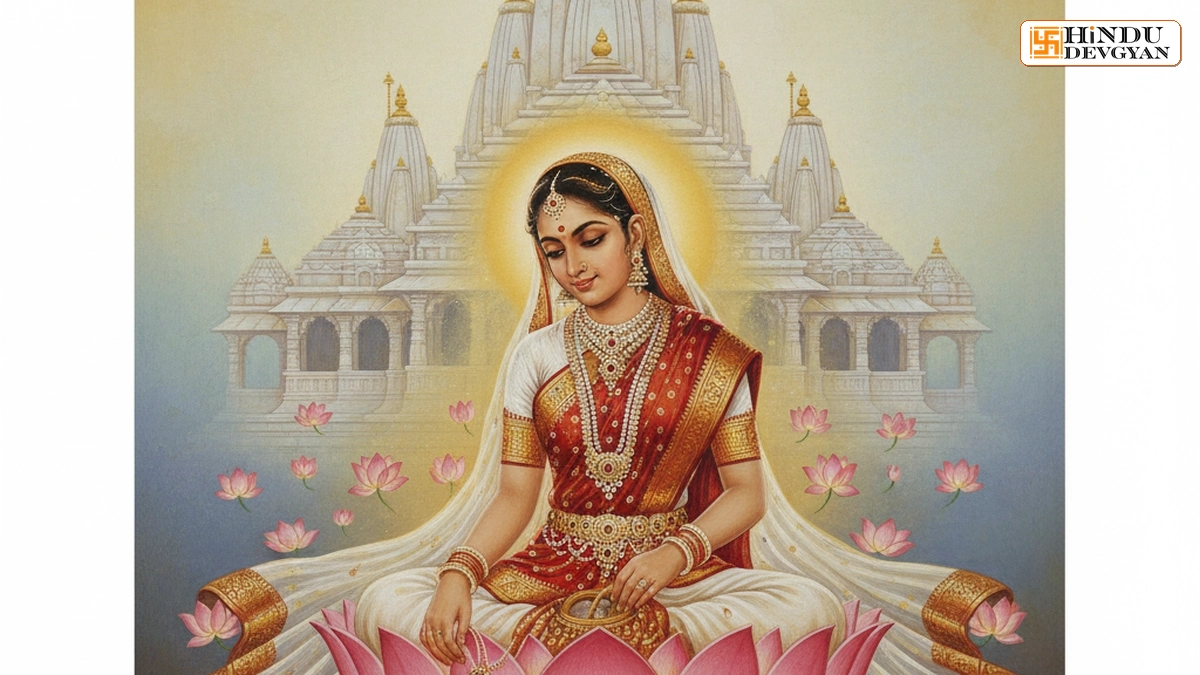
- Marriage to the Dharma: In a culture where marriage signifies the ultimate union and the beginning of a new life, these initiates symbolically ‘marry’ the Dharma, the path of righteousness, and the ascetic life. They become ‘brides of the Tirthankaras,’ dedicating their entire existence to spiritual purity.
- The Last Farewell to Worldly Identity: Decked in the finest silks, exquisite jewellery, and elaborate makeup, the initiate experiences the zenith of worldly adornment one last time. This grand display is a conscious, public ‘farewell’ to the material world, to their previous identity as a daughter, sister, or beloved. It’s a stark contrast to the simple, often unstitched white robes they will soon don.
- Declaration of Supreme Sacrifice: By showcasing the very opulence they are about to renounce, the ceremony magnifies the magnitude of their sacrifice. It’s a testament to their unwavering resolve to give up everything desirable in the material world for a higher spiritual truth.
- Psychological & Spiritual Preparation: This elaborate ‘Varghoda’ (procession) serves as a potent psychological and spiritual preparation, solidifying their inner conviction and enabling them to consciously detach from all attachments.
While the specifics differ, the spirit of such profound renunciation resonates deeply within Vedic traditions too. The concept of Vairagya (detachment) and Sanyas Dharma (the path of renunciation) are core tenets in Hinduism, where spiritual seekers willingly forsake worldly pleasures for the ultimate Self-realization. Whether through the arduous penance of a Rishi or the ultimate sacrifice of a Jain sadhvi, the underlying principle remains – true liberation arises from freedom from attachment. For a deeper understanding of such profound life choices, one might consider exploring their personal Kundli, which often reveals tendencies towards spiritual paths.
ईशावास्यमिदं सर्वं यत्किञ्च जगत्यां जगत्। तेन त्यक्तेन भुञ्जीथा मा गृधः कस्यस्विद्धनम्॥
📲 Join Our WhatsApp Channel
रोज़ सुबह पाएं — पंचांग, मंत्र, और आध्यात्मिक ज्ञान सीधे WhatsApp पर。
Get daily Panchang, Mantras & Spiritual Wisdom every morning.Īśāvāsyamidaṁ sarvaṁ yatkiñca jagatyāṁ jagat. Tena tyaktena bhuñjīthā mā gṛdhaḥ kasyasviddhanam॥
Word-by-Word Meaning:
ईशावास्यमिदं (īśāvāsyamidaṁ): By the Lord pervaded, all this
सर्वं (sarvaṁ): all
यत्किञ्च (yatkiñca): whatsoever
जगत्यां (jagatyāṁ): in this world
जगत् (jagat): moves
तेन (tena): by that
त्यक्तेन (tyaktena): renounced
भुञ्जीथा (bhuñjīthā): enjoy
मा (mā): not
गृधः (gṛdhaḥ): covet
कस्यस्विद्धनम् (kasyasviddhanam): whose wealthMeaning: All this, whatever moves in this moving world, is pervaded by God. Therefore, enjoy by renouncing, and do not covet anyone’s wealth.
The Diksha Ceremony: A Step-by-Step Spiritual Transformation (2026)
The ‘Bridal Diksha’ is not a momentary act but the culmination of months, sometimes years, of preparation. For those choosing this path in 2026, their journey – like those before them – will follow a deeply entrenched and spiritually charged protocol:
- The Varghoda (Bridal Procession): This is the ceremonial procession where the ‘bride’ – the future Sadhvi – is taken through the streets on a beautifully decorated palanquin or chariot, often accompanied by music, chanting, and a joyous community. This public declaration of renunciation is a farewell to her past life and an invitation for the community to witness her profound decision.
- Samayik & Pratikraman: Before the formal ceremony, the initiate may perform Samayik (meditation and introspection) and Pratikraman (confession and repentance) to purify her intentions and seek forgiveness for past transgressions.
- The Presence of the Acharya/Guru: The ceremony unfolds in the presence of an esteemed Acharya or Guru, who will guide the initiate through the sacred vows. This spiritual leader plays a pivotal role in bestowing the Diksha.
- Shedding the Adornments: This is the emotional core of the ritual. Before the Guru, the initiate systematically removes every piece of jewellery, every elaborate garment, every trace of worldly adornment. Each item shed symbolizes the letting go of a corresponding attachment: ego, vanity, desires, familial bonds. It is a profound act of detachment.
- Keshlonch (Hair Plucking): A powerful and often tear-inducing act, the initiate’s hair is plucked by hand (or sometimes with scissors by the Guru). This painful process symbolizes endurance, humility, and the final severance from physical vanity.
- Acceptance of Monastic Robes & Name: The initiate then dons simple, unstitched white robes (for Shwetambar Jains) or, in the Digambar tradition, embraces sky-clad asceticism. A new monastic name is bestowed upon her by the Guru, marking her new identity.
- The Five Great Vows (Mahavratas): The new Sadhvi takes the five core vows: Ahimsa (non-violence), Satya (truthfulness), Asteya (non-stealing), Brahmacharya (chastity), and Aparigraha (non-possession). These vows guide her entire ascetic life.
Such momentous decisions are never taken lightly. The selection of the ‘Shubh Muhurat’ (auspicious timing) for Diksha ceremonies – whether today, Sunday, 27 September 2026, or any date in the coming months – is often guided by intricate calculations, ensuring the most spiritually aligned planetary influences for such a life-altering commitment. Consulting an auspicious Panchang is a common practice across various spiritual traditions to ensure perfect alignment for critical life events.
Important Dos & Don’ts to Avoid Spiritual Errors
Embracing Diksha is a journey of unwavering commitment. For any spiritual aspirant, whether embarking on Jain Diksha or another path of renunciation, certain ‘Dos’ and ‘Don’ts’ are critical for ensuring spiritual purity and avoiding karmic impediments:
Dos:
- Cultivate Unwavering Resolve: The decision for Diksha must arise from deep inner conviction, free from external pressure. This clarity of purpose is your greatest strength.
- Understand the Vows Thoroughly: Before taking the Mahavratas, comprehend their profound implications for every aspect of your life.
- Practice Detachment & Forgiveness: Actively work on releasing attachments to people, possessions, and past experiences. Forgive yourself and others.
- Seek Guru’s Guidance: The Acharya is your spiritual guide. Adhere to their instructions and wisdom implicitly.
- Maintain Humility: Renunciation strips away ego. Embrace humility as your constant companion.
Don’ts:
- Enter Without Full Conviction: Diksha is not an escape from worldly problems but a conscious choice for spiritual liberation. Doubt can lead to immense spiritual struggle.
- Harbor Hidden Desires: Any lingering material desires or attachments will be a source of inner conflict and can impede your spiritual progress.
- Take Vows Lightly: The vows are for life. Understand their gravity and commit fully. There is no ‘trial period’ for true renunciation.
- Cling to Ego or Vanity: The bridal attire is shed precisely to signify the shedding of ego. Any trace of vanity after Diksha goes against its very spirit.
- Engage in Gossip or Criticism: Focus your mind on inner purity. External negativity pollutes the spiritual path.
The path of renunciation, whether through Jain Diksha or Hindu Sanyas, demands complete surrender and purity of intention. Understanding Bhagavad Gita’s wisdom on Karma Yoga and detachment can provide universal insights into this profound spiritual journey. For more such profound spiritual insights and guidance, explore HinduDevGyan.
Frequently Asked Questions
- Q1: Why is bridal attire specifically chosen for the Diksha ceremony?
- A: The bridal attire symbolizes the ultimate ‘marriage’ to the spiritual path (Dharma) and a final, grand farewell to the worldly life, its desires, and identity before embracing complete asceticism. It dramatically highlights the magnitude of renunciation.
- Q2: Is this ‘bridal’ ritual mandatory for all Jain initiates, both male and female?
- A: While the spirit of renunciation is universal for all initiates (male and female), the elaborate ‘bridal’ adornment and procession are predominantly associated with female initiates. Male initiates also have significant pre-Diksha ceremonies, but the ‘bridal’ aspect is specific to women, symbolizing their unique transition.
- Q3: What happens immediately after the Diksha ceremony?
- A: Immediately after Diksha, the new Sadhvi (female ascetic) or Sadhu (male ascetic) begins their rigorous monastic life, adhering strictly to the Mahavratas. They typically join a monastic community (Sangha) under the guidance of their Acharya and embark on a path of intensive meditation, study, and penance, completely detached from worldly affairs.
🔮 Curious About Your Birth Chart?
Discover your exact career path, marriage compatibility, and planetary dashas based on your exact birth time.
⭐ Recommended for You
Contains affiliate links. We earn a small commission at no extra cost to you.
Auspicious copper vessel for Puja, Kalash Sthapana and daily water offerings.