हिंदी सारांश:
- गांधी जयंती 2026 पर, महात्मा गांधी के 11 व्रतों का गहरा अर्थ जानें, जो आत्म-सुधार और राष्ट्र-निर्माण की नींव थे।
- ये व्रत केवल व्यक्तिगत अनुशासन नहीं, बल्कि एक आध्यात्मिक और सामाजिक क्रांति का मार्ग प्रशस्त करते हैं।
- आज के आधुनिक जीवन में भी इन कालातीत सिद्धांतों को अपनाकर आंतरिक शांति और एक अधिक उद्देश्यपूर्ण अस्तित्व प्राप्त करें।
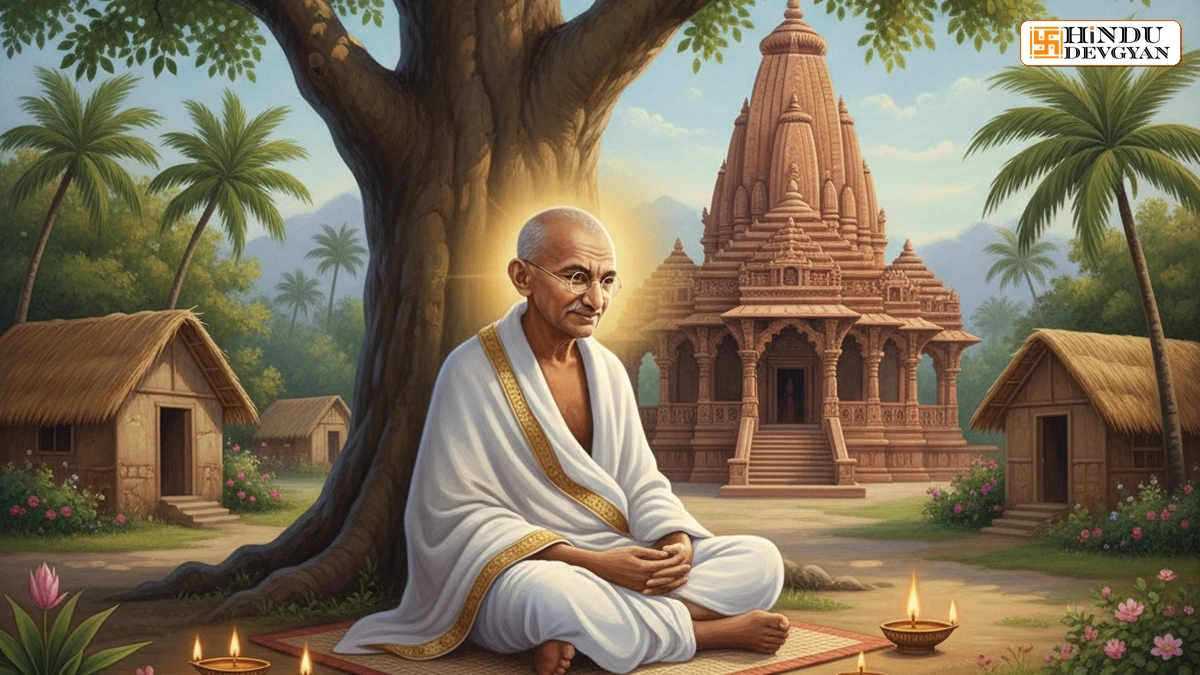
Namaste, spiritual seekers and conscious global citizens! As the auspicious sun rises on Friday, October 2nd, 2026, our hearts turn to one of humanity’s greatest spiritual and political leaders: Mahatma Gandhi. Today is Gandhi Jayanti, a day not just to remember a historical figure, but to rekindle the flame of his profound wisdom and revolutionary principles within ourselves. While the world celebrates his birth, we, at HinduDevGyan, invite you to delve deeper – beyond the familiar image – into the very bedrock of his transformative power: the 11 sacred vows he prescribed for his ashramites and himself.
These weren’t mere rules; they were spiritual disciplines, a profound lifestyle blueprint that shaped the Father of our Nation and ignited a non-violent revolution. From the simplest act of eating to the profound philosophy of self-possession, every aspect of life in Gandhi’s ashram at Sabarmati or Sevagram was imbued with meaning, guided by these Eleven Mahavratas (Great Vows). Why were they so necessary? And how can their ancient wisdom, rooted deeply in Sanatana Dharma, illuminate our lives today, on this very special Gandhi Jayanti 2026?
Significance & Vedic Shastric Context
Mahatma Gandhi, a staunch follower of truth and non-violence, didn’t pluck these vows out of thin air. His philosophy was a seamless integration of ancient Indian spiritual traditions, particularly the wisdom of the Bhagavad Gita, Jain principles of Ahimsa, and Buddhist teachings of compassion. He saw these vows as essential tools for self-purification, character building, and ultimately, for achieving ‘Swaraj’ – not just political independence, but self-rule over one’s senses and mind. For Gandhi, personal transformation was the prerequisite for societal change. The ashram, therefore, became a living laboratory for these spiritual experiments.
Transform Your Home’s Energy Today!
Discover the ancient secrets to attracting wealth, health, and harmony. Download our premium 5-chapter Vastu Shastra guide instantly.
These vows resonate with the ‘Yamas’ and ‘Niyamas’ of Yoga, the ethical foundations laid down in Patanjali’s Yoga Sutras. They are a practical guide to right living, aligning one’s actions, words, and thoughts with universal moral and spiritual laws. Gandhi believed that without strict adherence to these principles, true spiritual progress or effective social work was impossible.
कर्मण्येवाधिकारस्ते मा फलेषु कदाचन।
मा कर्मफलहेतुर्भूर्मा ते सङ्गोऽस्त्वकर्मणि॥
Karmaṇy-evādhikāras te mā phaleṣu kadācana |
mā karma-phala-hetur bhūr mā te saṅgo’stv-akarmaṇi ||
Meaning: You have the right to perform your prescribed duty, but you are not entitled to the fruits of action. Never consider yourself to be the cause of the results of your activities, and never be attached to not performing your duty.
— Bhagavad Gita 2.47📲 Join Our WhatsApp Channel
रोज़ सुबह पाएं — पंचांग, मंत्र, और आध्यात्मिक ज्ञान सीधे WhatsApp पर。
Get daily Panchang, Mantras & Spiritual Wisdom every morning.
This iconic verse from the Bhagavad Gita encapsulates the spirit behind Gandhi’s vows – the emphasis on duty, selflessness, and detachment from results. It’s a call to conscious, ethical action, free from ego and expectation, a cornerstone of his entire philosophy.
The 11 Vows: A Path to Self-Transformation & Swaraj
Gandhi’s 11 vows were not abstract ideas but concrete practices for daily living. They served as the moral compass for every ashram member, guiding their interactions with themselves, others, and the world:
- Ahimsa (Non-violence): Not just absence of violence, but active love and compassion towards all beings. It begins with non-violence in thought, word, and deed.
- Satya (Truth): Absolute devotion to truth. Speaking truth, living truth, and seeking truth in every aspect of life.
- Asteya (Non-stealing): Not taking what is not given, but also not taking more than one needs. It extends to mental covetousness.
- Brahmacharya (Chastity/Self-restraint): Control over all senses, not just sexual restraint. Channeling vital energy towards higher pursuits.
- Aparigraha (Non-possession): Limiting possessions to absolute necessities. Living simply, free from accumulation and attachment.
- Sharirshrama (Bread Labour): Earning one’s livelihood through manual labour. Valuing physical work and equality of all professions.
- Asvada (Control of the Palate): Eating for sustenance, not for pleasure. Simple, sattvic food for health and spiritual clarity.
- Sarva Dharma Samanatva (Reverence for all Religions): Equal respect for all faiths, believing in the fundamental unity of all paths to the Divine.
- Abhaya (Fearlessness): Freedom from all fear – of death, of poverty, of criticism. The courage to stand for truth.
- Sparsh Bhavana (Removal of Untouchability): Absolute equality of all human beings, regardless of caste or creed. A deeply revolutionary vow for his time.
- Vinay (Humility): Recognizing one’s smallness before the vastness of the universe and the Divine. Openness to learning and correction.
Living the Gandhian Principles: Essential Dos and Don’ts for Modern Life
Embracing Gandhi’s vows today, on this Gandhi Jayanti 2026, doesn’t require moving to an ashram. It’s about integrating these timeless principles into our daily lives. Here’s how you can embark on this path of self-transformation:
Dos:
- Practice Conscious Consumption: Reduce waste, choose ethically produced goods, and embrace minimalism.
- Cultivate Empathy: Engage in active listening, seek to understand different perspectives, and extend kindness to all.
- Speak Your Truth with Love: Be honest, but always ensure your words are constructive and compassionate.
- Engage in Service (Seva): Dedicate some time to community service or helping those in need, without expectation of reward.
- Maintain a Simple Diet: Prioritize natural, wholesome foods, mindful of their impact on your body and the environment.
- Seek Inner Stillness: Dedicate time daily to meditation, prayer, or quiet contemplation to connect with your inner self and your divine purpose. Learn more about daily spiritual practice on HinduDevGyan.
Don’ts:
- Don’t Be Attached to Outcomes: Do your best, but release your expectations of specific results. As the Gita teaches, focus on action, not the fruit of action.
- Don’t Engage in Gossip or Slander: Avoid negativity in speech and thought.
- Don’t Accumulate Excess: Resist the urge to constantly buy more than you need. Declutter your life, both physically and mentally.
- Don’t Discriminate: Uphold the equality and dignity of every individual, transcending differences in caste, creed, or background.
- Don’t Succumb to Fear: Cultivate courage in the face of challenges, trusting in the power of truth and non-violence.
Frequently Asked Questions
Q1: Are Gandhi’s 11 vows relevant in today’s fast-paced world?
A1: Absolutely. In a world grappling with consumerism, conflict, and mental stress, Gandhi’s vows offer a powerful antidote. They provide a framework for ethical living, inner peace, and sustainable societal progress, making them more relevant than ever.
Q2: How can an ordinary person practically apply ‘Brahmacharya’ (self-restraint) today?
A2: Brahmacharya extends beyond celibacy. It’s about self-control in all aspects: managing screen time, limiting overindulgence in food or entertainment, and directing one’s energy towards constructive goals. It’s about mindful living and conserving vital energy for higher pursuits.
Q3: What was Gandhi’s main motivation behind establishing these strict rules in his ashrams?
A3: Gandhi believed that true freedom (Swaraj) began with self-mastery. The ashram rules were designed to foster an environment of discipline, self-purification, and communal living based on shared ethical principles, preparing individuals to lead by example in the larger struggle for independence and social reform. Understanding your innate spiritual blueprint can often guide you towards such disciplined paths; for further insight, you might explore your free Kundli.
🔮 Curious About Your Birth Chart?
Discover your exact career path, marriage compatibility, and planetary dashas based on your exact birth time.
⭐ Recommended for You
Contains affiliate links. We earn a small commission at no extra cost to you.
Auspicious copper vessel for Puja, Kalash Sthapana and daily water offerings.