
हिंदी सारांश:
भारत में एक ऐसा चमत्कारिक मंदिर स्थित है जहाँ भगवान को किसी मीठे या भव्य पकवान के स्थान पर काली मिर्च का विशेष प्रसाद चढ़ाया जाता है। सदियों पुरानी यह अनोखी परंपरा न केवल भक्तों को असाध्य रोगों और कष्टों से मुक्ति दिलाती है, बल्कि इसके पीछे गहरा आध्यात्मिक और वैदिक महत्व भी छिपा है। जानिए इस प्राचीन प्रथा का रहस्य और इसके दिव्य ज्योतिषीय लाभ।
An Unconventional Offering in Sanatana Dharma
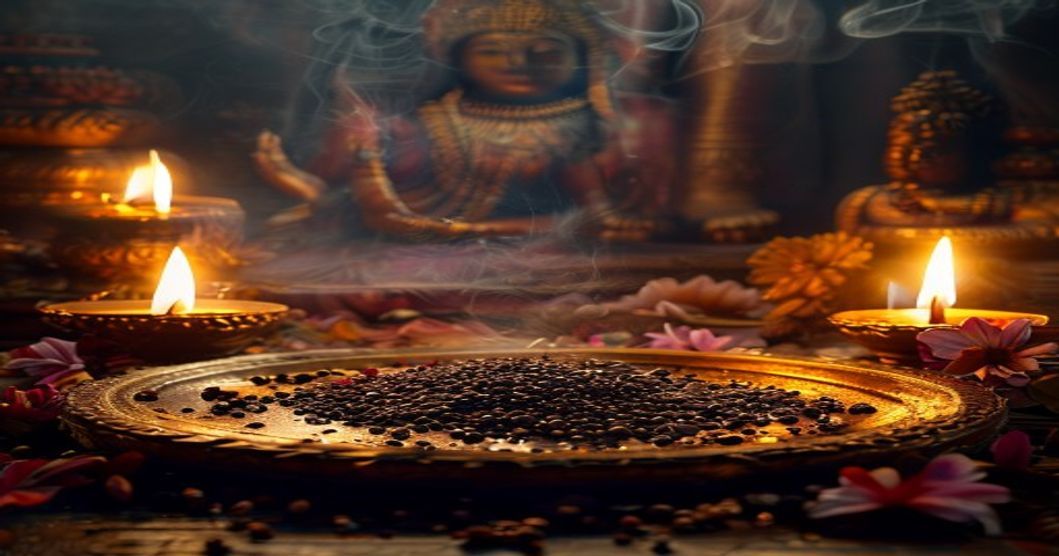
In the vast realm of Sanatana Dharma, divine worship (Puja) is an art of profound symbolism. While devotees across the globe are accustomed to offering traditional sweetmeats like laddus, modaks, panchamrit, and fresh fruits to the Almighty, India is home to several rare shrines where rituals transcend conventional practices. Among these miraculous spots is an ancient temple where black pepper (Kali Mirch) serves as the primary sacred offering (Prasad).
According to ancient scriptures preserved at HinduDevGyan, every ingredient used in Vedic rituals holds specific cosmic frequencies. The tradition of offering black pepper is not merely a local ritual; it is a centuries-old practice deeply rooted in Ayurveda, Tantric science, and planetary remedies.
The Spiritual and Health Significance of Black Pepper
In Ayurveda, black pepper is revered as Maricha, named after the Sun God due to its intense heat, transformative energy, and purity. Spiritually, pepper possesses the unique ability to absorb and neutralize negative energies, evil eye afflictions (Nazar Dosh), and invisible aura disturbances.
Devotees travel from far and wide to this sacred shrine to offer black pepper with specific prayers. The primary spiritual objectives behind this unique ritual include:
- Relief from Chronic Illnesses: Pilgrims suffering from stubborn respiratory disorders, skin ailments, or persistent physical pain offer pepper to invoke divine healing energy.
- Warding Off Negative Energies: The fiery nature of black pepper acts as a spiritual shield against malice, jealousy, and dark energies.
- Fulfillment of Solemn Vows (Mannat): It is believed that placing a small pouch of black pepper at the deity’s feet while making a sincere pledge brings swift manifestation.
Astrological Importance: Pacifying Rahu, Ketu, and Saturn
From a Vedic astrology perspective, spice offerings hold tremendous planetary power. Black pepper is governed by the malefic energy of Lord Shani (Saturn), as well as the shadowy planets Rahu and Ketu. When an individual suffers from severe astrological afflictions like Shani Sade Sati, Dhaiya, or adverse Rahu Mahadasha, offering black pepper at holy shrines serves as a potent remedy.
Astrologers often recommend checking your individual birth chart to understand if your current life challenges stem from malefic planetary transits. Performing pepper offerings during an auspicious Panchang muhurat can significantly amplify the positive vibrations and neutralize karmic obstacles.
The Sacred Lore Behind the Unique Tradition
Legend has it that centuries ago, a severe epidemic swept through the region, leaving the local populace in deep despair. The temple priests received a divine revelation in a dream, instructing them to offer wild black pepper to the deity and distribute a portion of it to the afflicted. Miraculously, all who consumed the sanctified pepper were healed.
Since that momentous day, the tradition has remained unbroken. Today, priests continue to sanctify kilograms of black pepper every morning through sacred Vedic mantras before distributing it as Maha Prasad to thousands of visiting devotees.
Key Takeaways for Devotees
Sanatana Dharma reminds us that the divine does not seek material wealth; rather, God accepts whatever is offered with absolute devotion and pure intent. As taught in the philosophical discourses on Karma, the intention behind an action dictates its spiritual result. Whether it is a simple leaf, a drop of water, or a grain of black pepper, when offered with faith, it becomes a channel for divine grace.
If you ever plan a pilgrimage to this exceptional shrine, remember to carry your offerings with a mind free of ego, trusting entirely in the transformative power of ancient Vedic traditions.
