हिंदी सारांश:
कांवड़ यात्रा भगवान शिव की भक्ति का एक अति पवित्र प्रतीक है। सनातन परंपरा के अनुसार, समुद्र मंथन के समय हलाहल विष के ताप को शांत करने के लिए सर्वप्रथम देवताओं ने भगवान शिव पर पवित्र गंगाजल अर्पित किया था। वहीं अन्य मान्यताओं के अनुसार, भगवान परशुराम और रावण ने भी कांवड़ लाकर शिवजी का जलाभिषेक किया था। जानिए इस यात्रा के कठिन नियम, आध्यात्मिक इतिहास और इसके पीछे के अनोखे तथ्य।
The Awakening of Devotion: What is the Kanwar Yatra?
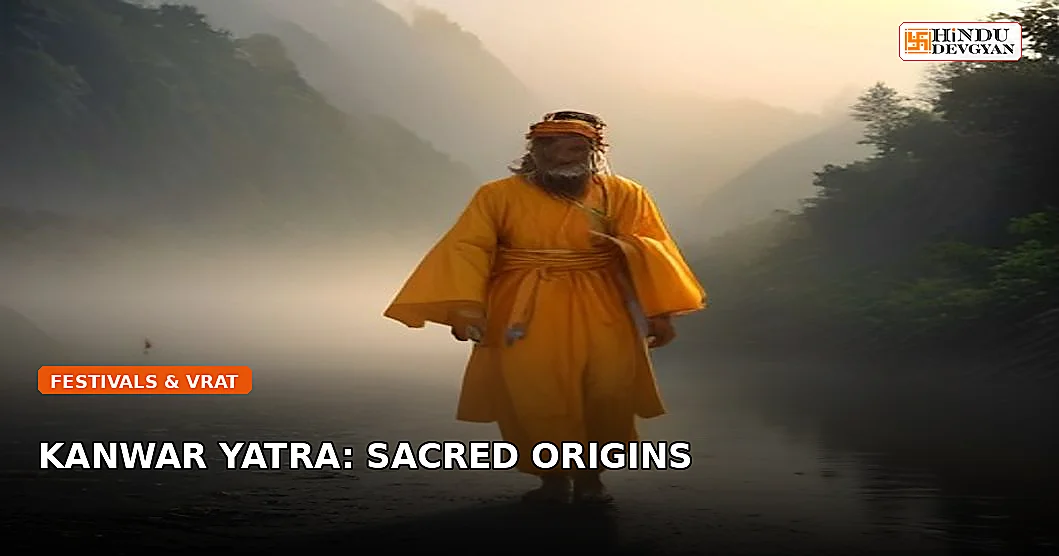
Every year during the holy month of Sawan (Shravana), highways in Northern India transform into a sea of vibrant saffron. Millions of barefoot pilgrims, known as Kanwariyas, undertake a grueling journey to fetch holy water from the sacred River Ganges at pilgrimage hubs like Haridwar, Gaumukh, Rishikesh, and Sultanganj. They carry this water across hundreds of miles using a Kanwar—a decorated bamboo pole balanced on their shoulders carrying small pots of holy water—to perform Jalabhisheka on local Shiva Lingams.
This grueling pilgrimage is not merely an act of physical endurance; it is a profound expression of unshakeable faith, purification of past Karma, and deep gratitude toward Lord Shiva.
Transform Your Home’s Energy Today!
Discover the ancient secrets to attracting wealth, health, and harmony. Download our premium 5-chapter Vastu Shastra guide instantly.
Ancient Origins: How Did Kanwar Yatra Reach Lord Shiva?
The history of Kanwar Yatra is deeply intertwined with ancient Vedic lore and Puranic scriptures. Multiple legends explain the divine beginning of this holy tradition:
📲 Join Our WhatsApp Channel
रोज़ सुबह पाएं — पंचांग, मंत्र, और आध्यात्मिक ज्ञान सीधे WhatsApp पर。
Get daily Panchang, Mantras & Spiritual Wisdom every morning.
1. The Amrita Manthan & The Cooling of Halahala Poison
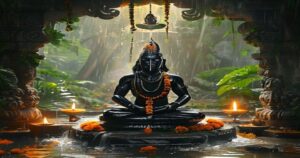
The most prominent legend traces back to the legendary Samudra Manthan (Churning of the Cosmic Ocean). When the deadly poison Halahala emerged, threatening to consume the universe, Lord Shiva drank it to save creation, holding it in his throat. This earned Him the name Neelkanth. However, the burning heat of the poison caused immense agony. To relieve Mahadev’s pain, the Devas brought holy Ganges water in small urns and poured it over Lord Shiva. This act of pouring Ganga jal to soothe Shiva became the cosmic origin of the Kanwar Yatra.
2. Lord Parashurama’s Devotion
According to another widely revered tradition, Lord Parashurama, the sixth avatar of Lord Vishnu, was the first human Kanwariya. Deeply devoted to Mahadev, Parashurama carried sacred Ganga water from Garhmukteshwar in a Kanwar and offered it at the Shiva Temple in Pura Mahadev (present-day Uttar Pradesh) during the month of Sawan, establishing the tradition on Earth.
3. The Penance of Ravana
Lesser-known scriptures mention that King Ravana of Lanka, an ardent devotee of Mahadev, used a Kanwar to bring Ganga water and perform Jalabhisheka at the Baidyanath Jyotirlinga to alleviate the burning sensation caused by the Halahala poison in Shiva’s throat.
Strict Spiritual Guidelines & Rules of Kanwar Yatra
Participating in the Kanwar Yatra demands absolute physical purity and spiritual discipline. Devotees follow stringent rules throughout their arduous journey:
- No Ground Contact: The primary rule is that the sacred Kanwar must never touch the ground. If a Kanwariya needs to rest, the Kanwar must be hung on stands or tree branches specially built along the path.
- Satvik Lifestyle: Pilgrims strictly abstain from meat, onion, garlic, alcohol, tobacco, and any form of intoxication.
- Barefoot Journey: Devotees walk barefoot regardless of heat, rain, or blistering asphalt roads, continuously chanting “Bam Bam Bhole” and “Har Har Mahadev”.
- Avoidance of Leather: Carrying or wearing leather items (belts, wallets, footwear) is strictly prohibited.
- Purity of Thought and Speech: Devotees must refrain from anger, harsh language, or lying during the entire pilgrimage.
Astrological and Vedic Significance of Sawan
The month of Sawan falls during the monsoon season, when planetary positions align to heighten spiritual energies. Consulting the auspicious timing via the Panchang helps devotees perform Jalabhisheka during favorable Muhurats, maximizing spiritual benefits. Many spiritual seekers also review their personal Kundli during Sawan to seek Lord Shiva’s blessings in neutralizing negative planetary influences such as Kalsarp Dosh or Rahu-Ketu afflictions.
Conclusion: Embracing Mahadev’s Grace
The Kanwar Yatra is a living testimony to the eternal spiritual vitality of Sanatan Dharma. It transforms ordinary individuals into disciplined ascetics, unifying communities under the banner of divine love and surrender. To explore more deep-dive articles on Hindu tradition, fasts, and temple histories, visit HinduDevGyan.
🔮 Curious About Your Birth Chart?
Discover your exact career path, marriage compatibility, and planetary dashas based on your exact birth time.
⭐ Recommended for You
Contains affiliate links. We earn a small commission at no extra cost to you.
Pure Nepali Rudraksha. Enhances focus and brings Lord Shiva’s blessings.