हिंदी सारांश:
- आज, रविवार, 06 सितंबर 2026 को गोगाजी की भव्य निशान ध्वजा यात्रा निकल रही है।
- जन्माष्टमी के दौरान भी बारिश में अटूट आस्था दिखी, जो आज इस यात्रा के रूप में प्रकट हो रही है, भक्तों के जयकारे गूंज रहे हैं।
- यह यात्रा दिव्य सुरक्षा और सांपों से बचाव के लिए गोगाजी महाराज के आशीर्वाद का आह्वान करती है।
Bhadrapada Shukla Trayodashi, Sunday, 06 September 2026 – As the first rays of dawn pierce through the clouds, a wave of profound spiritual energy is sweeping across Northern India. Just weeks after the divine fervour of Janmashtami (August 16th, 2026) saw devotees brave incessant rains with unwavering faith, the same unyielding spirit culminates today in the magnificent Gogaji Nishan Dhwaja Yatra. The air is thick with anticipation, resonating with the enthusiastic chants of ‘Jai Gogaji!’ as thousands prepare to embark on this sacred procession, seeking the divine protection of the revered warrior-saint, Shri Gogaji Maharaj.
Spiritual Significance & Sacred Legends of Shri Gogaji
Shri Gogaji, also known as Goga Pir, Jahar Veer Goga, or Gogadev, is a folk deity revered across Rajasthan, Uttar Pradesh, Punjab, Haryana, and Himachal Pradesh. A legendary warrior-saint of the 11th century, Gogaji is primarily worshipped as a Naag Devta, a deity with the power to protect devotees from snake bites and other venomous creatures. His life is steeped in tales of valour, sacrifice, and unwavering devotion to Dharma.
Legend recounts his extraordinary birth through the blessings of Guru Gorakhnath, his heroic battles against invaders, and his ultimate miraculous disappearance into the earth with his horse. Devotees believe that merely uttering his name, particularly during the Panchang-determined auspicious times, can ward off danger and bless them with health, prosperity, and courage. The Nishan Dhwaja Yatra, a grand procession of sacred flags, is a powerful reaffirmation of this faith, a collective prayer on foot, symbolizing the triumph of devotion over adversity – much like the steadfast faith witnessed during the recent Janmashtami celebrations that defied heavy downpours.
Transform Your Home’s Energy Today!
Discover the ancient secrets to attracting wealth, health, and harmony. Download our premium 5-chapter Vastu Shastra guide instantly.
सर्वे भवन्तु सुखिनः सर्वे सन्तु निरामयाः ।
सर्वे भद्राणि पश्यन्तु मा कश्चित् दुःखभाग् भवेत् ॥
(Sarve bhavantu sukhinaḥ, Sarve santu nirāmayāḥ, Sarve bhadrāṇi paśyantu, Mā kaścit duḥkhabhāg bhavet.)
Meaning: May all be happy. May all be free from illness. May all see what is auspicious. May no one suffer.
This ancient prayer embodies the communal spirit of well-being and protection that devotees seek during the Gogaji Yatra.
📲 Join Our WhatsApp Channel
रोज़ सुबह पाएं — पंचांग, मंत्र, और आध्यात्मिक ज्ञान सीधे WhatsApp पर。
Get daily Panchang, Mantras & Spiritual Wisdom every morning.
Gogaji Nishan Dhwaja Yatra 2026: Auspicious Muhurat, Route & Key Rituals Today (Sunday, Sep 6th)
Today, Sunday, September 6th, 2026, marks the zenith of devotion for Gogaji Maharaj. The Nishan Dhwaja Yatra, a spectacle of faith and cultural heritage, is meticulously planned according to Panchang. Here’s how you can be a part of this blessed event:
Auspicious Muhurat for the Yatra:
- Brahma Muhurat (Preparatory Rituals & Flag Purification): 04:30 AM – 05:15 AM. Many devotees begin their day with early morning prayers and purification of their ‘Nishan’ (sacred flag) during this highly auspicious time.
- Yatra Commencement (General Start): 07:00 AM onwards. The main procession typically begins after sunrise, as pilgrims gather at designated starting points.
- Abhijit Muhurat (Key Rituals & Flag Hoisting at Main Temple): 11:55 AM – 12:45 PM. This midday auspicious period is considered ideal for performing central rituals, making offerings, or the final hoisting of the sacred flag at the main Gogaji shrine or endpoint of the Yatra.
- Avoid: Rahu Kalam (04:55 PM – 06:30 PM) for any major new undertakings, although the Yatra, once commenced, continues.
The Sacred Route:
While specific routes vary by region, most Gogaji Nishan Dhwaja Yatras originate from a prominent local Gogaji Mandir or a revered ancient shrine. The procession then winds its way through traditional paths, often passing by other smaller temples or historically significant points, before culminating at a central Gogaji Dham or a major temple dedicated to him. Expect a vibrant journey marked by:
- Traditional Music: Dholaks, Nagadas, and other folk instruments create an electrifying rhythm.
- Chants and Bhajans: The air is filled with ‘Jai Gogaji!’ and devotional songs.
- Volunteers (Sevadars): Offering water, refreshments, and assistance to pilgrims along the route.
- Offerings: Devotees carry coconuts, sweets (Gogaji ke Laddoo), incense, and flowers to offer at various stops and the final destination.
How to Participate & Embrace the Divine Energy
Joining the Gogaji Nishan Dhwaja Yatra is a deeply spiritual experience. Here’s how you can prepare and participate:
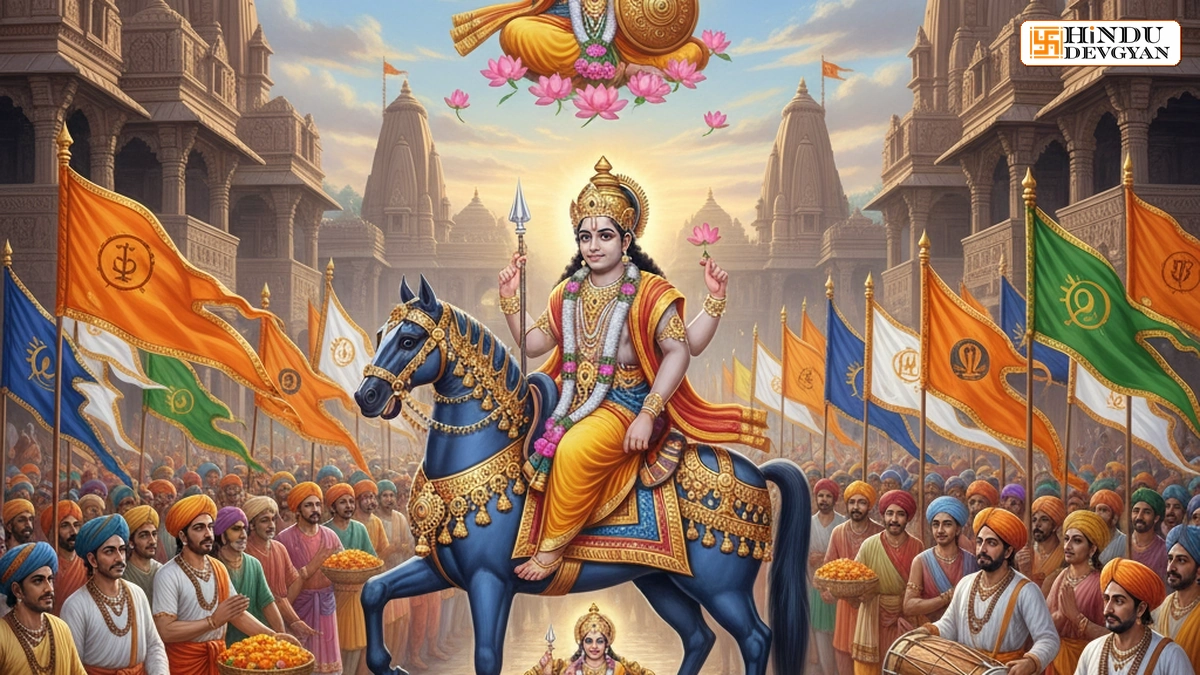
- Carry a Nishan (Flag): A tricolor flag (often saffron, white, and green) symbolizing devotion to Gogaji is central. You can purchase one locally or bring your own. Many believe carrying the Nishan grants special blessings.
- Dress Appropriately: Opt for comfortable, modest attire suitable for walking long distances. White, saffron, or traditional Indian wear is common.
- Stay Hydrated: Carry water bottles, especially if walking. Volunteers also provide water along the route.
- Join the Chants: Immerse yourself in the devotional atmosphere by participating in the chants and bhajans.
- Offer Seva: If you’re physically able, consider offering voluntary service (seva) by helping distribute water, Prasad, or assisting fellow pilgrims.
- Set an Intention: Participate with a pure heart and a specific prayer or intention for Gogaji’s blessings.
Etiquette, Sacred Offerings & Dos and Don’ts for the Yatra
To ensure a respectful and spiritually enriching experience, observe these guidelines:
- Maintain Purity (Shuddhi): Many devotees observe a day of fasting or simple vegetarian meals before and during the Yatra.
- Footwear: While walking barefoot is a mark of extreme devotion for some, comfortable footwear is advisable for long distances. Remove shoes before entering temple premises or sacred spots along the route.
- Offerings: Traditional offerings include ‘Laddoo’ (sweet balls), ‘Batasha’ (sugar puffs), coconuts, and incense sticks. Offer these with reverence.
- Photography: Be mindful and respectful. Avoid photographing individuals without permission, especially during sensitive rituals. Some inner sanctums may prohibit photography entirely.
- Keep the Path Clean: Dispose of waste responsibly. Maintain the sanctity of the pilgrimage route.
- Dos: Engage in devotional singing, help fellow pilgrims, maintain a positive attitude, and focus on your spiritual journey.
- Don’ts: Avoid littering, engaging in loud or disrespectful conversations, consuming non-vegetarian food or alcohol, or any behaviour that might disturb the spiritual ambience. Remember the core principles of Dharma and Karma.
Nearby Sacred Spots & Local Traditions to Experience (Along the Yatra Route)
While the focus is on the main procession, many Yatras pass through or conclude near other significant sites:
- Gogamerhi (Rajasthan): The most famous pilgrimage site associated with Gogaji, where he is believed to have disappeared into the earth. Many Yatras are dedicated to reaching this sacred spot.
- Local Naag Temples: Often, smaller temples dedicated to Nag Devtas (serpent deities) are visited along the way, reinforcing Gogaji’s connection to snake protection.
- Ashrams and Dharamshalas: These traditional rest stops provide simple accommodation and food for pilgrims. Supporting them can also be a form of Dharma.
- Folk Performances: In some regions, you might encounter local artists performing tales of Gogaji’s life, adding to the cultural richness of the Yatra.
Frequently Asked Questions
Here are some common questions about the Gogaji Nishan Dhwaja Yatra:
-
Who is Gogaji and why is his Yatra important?
Gogaji is a revered folk deity, a warrior-saint believed to protect devotees from snake bites and other adversities. His Nishan Dhwaja Yatra is a collective act of devotion, seeking his blessings for protection, courage, and well-being, embodying the strength of unbroken faith.
-
What is a ‘Nishan’ and what is its significance?
A ‘Nishan’ is a sacred flag, typically tricolored, carried by devotees during the Yatra. It symbolizes devotion, surrender, and allegiance to Gogaji Maharaj, representing a physical manifestation of faith on the spiritual journey.
-
Can anyone join the Gogaji Nishan Dhwaja Yatra?
Yes, the Gogaji Nishan Dhwaja Yatra is open to all devotees regardless of background. It’s a testament to inclusive Hindu traditions. Participants are encouraged to join with a pure heart and respect for the customs and fellow pilgrims.
🔮 Curious About Your Birth Chart?
Discover your exact career path, marriage compatibility, and planetary dashas based on your exact birth time.
⭐ Recommended for You
Contains affiliate links. We earn a small commission at no extra cost to you.
Complete brass thali with diya, incense holder, bell and more for daily puja.