
हिंदी सारांश:
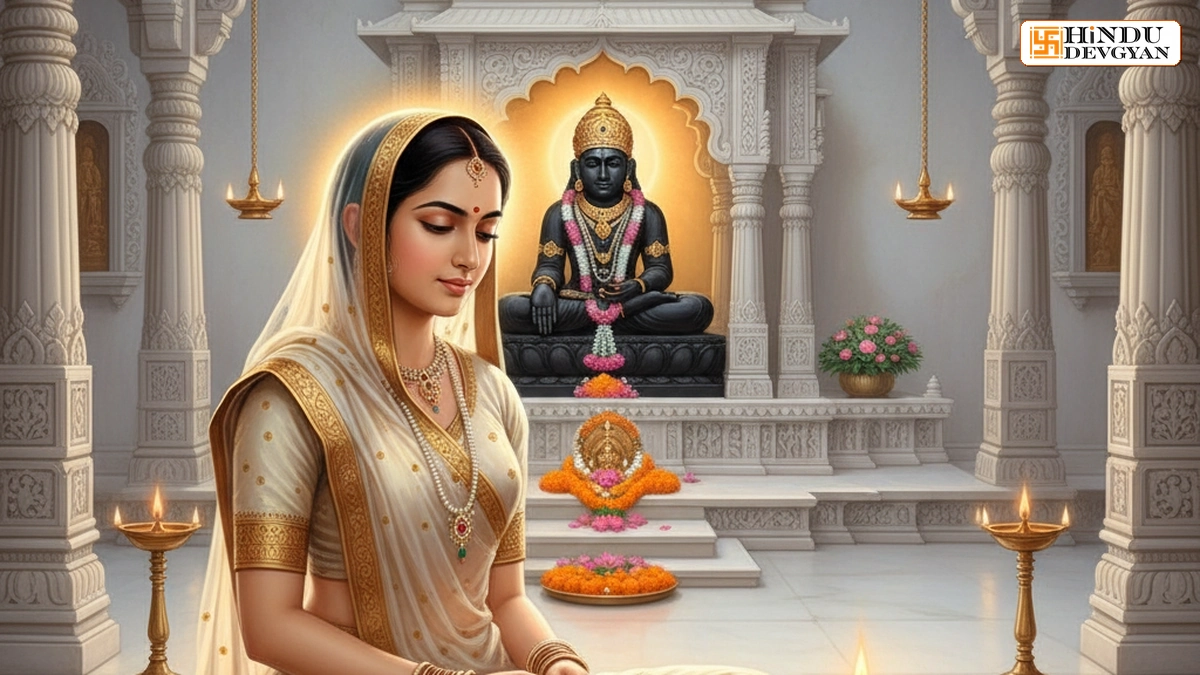
- जैन दीक्षा से पहले युवतियां दुल्हन की तरह क्यों सजती हैं, इसका रहस्य सांसारिक जीवन को अंतिम अलविदा कहने और आध्यात्मिक पथ पर पूर्ण समर्पण के प्रतीक में निहित है।
- यह श्रृंगार, विवाह की तरह, एक नए जीवन, अर्थात् संन्यासिनी के जीवन, में प्रवेश का प्रतिनिधित्व करता है, जहाँ सभी लौकिक सुखों और बंधनों का त्याग किया जाता है।
- यह रस्म त्याग, शुद्धिकरण और आत्मा को सर्वोच्च सत्य के साथ जोड़ने की जैन धर्म की गहरी आध्यात्मिक परंपराओं को दर्शाती है।
In the vibrant tapestry of India’s spiritual heritage, few traditions captivate the soul as profoundly as the Jain ritual of Diksha – the sacred vow of renunciation. It’s a journey into asceticism, a profound farewell to worldly life, often undertaken by young women with unwavering conviction. But why, before embarking on this path of supreme detachment, do these future Sadhvis (nuns) adorn themselves like brides? Why the elaborate attire, the intricate jewelry, the very essence of worldly glamour, just moments before shedding it all forever?
As an elite Hindu Religious Scholar, a Spiritual Travel Journalist, and your Google Discover SEO Editor-in-Chief, I invite you to delve into this breathtaking paradox. Today, Sunday, September 27, 2026, as the cosmos align with Ashwin Shukla Saptami and the Moon transits Scorpio, let us unravel the deeply spiritual and intensely symbolic meaning behind this awe-inspiring ritual that transcends mere tradition, touching the very core of our existence.
Significance & Vedic Shastric Context
The act of Diksha in Jainism is not merely a change of attire; it is a complete transformation of being. It signifies a spiritual marriage – a union of the individual soul (Atman) with the highest truth (Paramatman) by severing all earthly ties. The paradox of dressing like a bride before renouncing the world is steeped in profound spiritual symbolism, echoing ancient Vedic Wisdom about detachment and the ultimate quest for liberation.
Transform Your Home’s Energy Today!
Discover the ancient secrets to attracting wealth, health, and harmony. Download our premium 5-chapter Vastu Shastra guide instantly.
In many cultures, bridal attire represents the pinnacle of worldly beauty, prosperity, and the beginning of a new, worldly life. For a Jain initiate, however, this act is a poignant final embrace of the transient material world, only to offer it up as a sacrifice at the altar of spiritual emancipation. It’s a dramatic, public declaration: ‘I have experienced the best of this world, adorned myself with its finest, and now I consciously choose to leave it all behind for a higher purpose.’
This ritual emphasizes the concept of ‘Aparigraha’ (non-possessiveness) and ‘Vairagya’ (detachment). The elaborate dressing serves as a powerful visual metaphor. The girl, in her bridal finery, stands at the precipice of two worlds. One, the world of senses, desires, and attachments; the other, the path of self-control, austerity, and ultimate freedom. Her willingness to shed this beauty signifies a conscious and complete surrender of ego, vanity, and material allure.
अपरिग्रहः सर्वधर्मेषु उत्तमः। सर्वेषां च प्राणानां सुखकामत्वात् दुःखप्रतिकूलत्वात् च।
📲 Join Our WhatsApp Channel
रोज़ सुबह पाएं — पंचांग, मंत्र, और आध्यात्मिक ज्ञान सीधे WhatsApp पर。
Get daily Panchang, Mantras & Spiritual Wisdom every morning.Transliteration: Aparigrahaḥ sarvadharmeṣu uttamaḥ. Sarveṣāṃ ca prāṇānāṃ sukhakāmatvāt duḥkhapratikūlatvāt ca.
Meaning: Non-possessiveness (Aparigraha) is supreme among all dharmas (righteous conducts). For all living beings desire happiness and dislike suffering.
This powerful verse underscores the Jain philosophy. The bridal adornment, therefore, isn’t an affirmation of worldly life, but a final, dramatic statement of its relinquishment, a pure act of self-sacrifice for the spiritual quest.
Step-by-Step Vidhi, Shubh Muhurat & Planetary Influences for Spiritual Contemplation
While the Diksha ceremony itself is an intensely personal and intricately planned event, the preparatory ritual of the ‘bridal dressing’ is an integral part of the spiritual journey. It’s a moment of profound introspection and a public declaration of one’s resolve.
The Preparatory Ritual:
- The Adornment Ceremony: Days or even hours before the formal Diksha, the young woman is adorned by her family with the finest bridal attire, jewelry, and makeup. This is often accompanied by music, hymns, and celebrations, akin to a traditional wedding. It is a ‘farewell party’ for her worldly self.
- Symbolic Farewell: She often visits her home, family, and friends one last time in this finery, signifying her final goodbye to her past life and attachments.
- The March to Renunciation: Accompanied by devotees, she proceeds to the Diksha venue, radiating a serene determination despite her opulent attire. This procession is often called a ‘Varsi Daan’ where she might give away her possessions, symbolizing detachment.
- The Shedding: At the Diksha ceremony, in the presence of her Guru and the Sangha (community), she ceremoniously removes all her worldly possessions, including her beautiful clothes and jewelry, signifying her complete renunciation. Her hair is often plucked (Kesh Luncan), and she dons the simple white attire of a Sadhvi.
Shubh Muhurat for Spiritual Contemplation (Sunday, 27 September 2026):
While Diksha dates are pre-determined by spiritual masters, Sunday, September 27, 2026, offers a propitious window for deep spiritual contemplation and setting intentions for personal growth.
- Tithi: Ashwin Shukla Saptami (leading into Ashtami later in the day), a day often associated with spiritual energy and the worship of divine energies.
- Nakshatra: Expect Anuradha Nakshatra or Jyeshtha Nakshatra, both generally considered favorable for intense spiritual practices and focus.
- Moon in Scorpio: The Moon’s transit through Scorpio today brings a depth of emotion and intensity, ideal for profound introspection and committing to transformative spiritual practices.
- General Auspicious Timings: For any significant spiritual resolve, it is generally advisable to avoid Rahu Kaalam (approx. 4:30 PM to 6:00 PM on Sunday) and Gulika Kaalam. Consult a detailed Panchang for precise timings in your region. The early morning hours (Brahma Muhurta) are universally considered the most potent for spiritual pursuits.
Remember, the *intention* and purity of heart are paramount during such spiritual endeavors, more so than strict adherence to external timings, though they can amplify positive energies.
Important Dos & Don’ts to Avoid Shastric Karma Errors
For those contemplating a path of deep spiritual commitment, or simply seeking to understand the purity of Jain Diksha, adhering to certain principles is crucial:
Dos:
- Do cultivate true Vairagya (Detachment): The physical act of renunciation must be accompanied by genuine inner detachment from worldly pleasures and relationships.
- Do seek proper guidance: If considering a spiritual path, consult experienced Gurus and spiritual guides. Their wisdom is invaluable.
- Do purify your intentions: Ensure your motives for spiritual pursuit are pure – for self-realization and liberation, not for fame or external validation.
- Do practice self-restraint: Begin with smaller acts of discipline and self-control in daily life to prepare the mind for greater austerities.
- Do uphold Ahimsa: Practice non-violence in thought, word, and deed, central to the Jain ethos.
Don’ts:
- Don’t mistake ritual for spirituality: The external act of dressing or renouncing is a symbol; the true transformation happens within.
- Don’t make hasty decisions: Spiritual paths, especially one as profound as Diksha, require deep thought, preparation, and conviction.
- Don’t seek external praise: The path of renunciation is an internal journey; external appreciation should not be the goal.
- Don’t cling to subtle attachments: Even after renouncing gross possessions, be mindful of subtle attachments like ego, pride, or desire for recognition.
- Don’t disrespect the path: Approach such profound traditions with reverence and a willingness to understand, even if you don’t personally follow them.
Understanding this sacred ritual offers a profound insight into the spiritual depth of Jainism and the human quest for ultimate freedom. For further insights into living a life aligned with spiritual principles, explore our resources at HinduDevGyan.
Frequently Asked Questions
- Q1: Is the ‘bridal dressing’ mandatory for all Jain Diksha ceremonies?
- A1: While not universal for every single Diksha, the tradition of dressing elaborately, often like a bride, is a widespread and highly symbolic custom, particularly for female initiates, signifying their complete detachment from worldly life.
- Q2: What happens to the bridal attire and jewelry after the ceremony?
- A2: The precious items are often returned to the family, sometimes donated, or kept as sacred memorabilia by the family. The initiate herself will never wear such adornments again, symbolizing her permanent renunciation.
- Q3: Can anyone undertake Diksha, or are there specific requirements?
- A3: Diksha is a deeply personal and rigorous path. Initiates typically undergo extensive training, live under the guidance of a Guru, demonstrate strong spiritual resolve, and meet specific physical and mental health criteria before they are deemed fit for this ultimate renunciation.
🔮 Curious About Your Birth Chart?
Discover your exact career path, marriage compatibility, and planetary dashas based on your exact birth time.
⭐ Recommended for You
Contains affiliate links. We earn a small commission at no extra cost to you.
Auspicious copper vessel for Puja, Kalash Sthapana and daily water offerings.