हिंदी सारांश:
- ऋषि पंचमी 2027: बुधवार, 15 सितंबर को है, जो हमारे ऋषियों के सम्मान और आध्यात्मिक शुद्धि का पर्व है।
- हल से उगा अन्न क्यों नहीं खाते: इस दिन हल से जोते हुए खेत में उगा अन्न खाना वर्जित है। यह नियम ऋषियों के तपस्वी जीवन और प्रकृति के प्रति सम्मान को दर्शाता है, जहाँ बिना मिट्टी को छेड़े या बिना श्रम के प्राप्त कंद-मूल, फल और अपने आप उगे अनाज (अनूचना) का सेवन किया जाता है।
- विशेष महत्व: यह व्रत विशेषकर उन महिलाओं के लिए महत्वपूर्ण है जो मासिक धर्म से जुड़े दोषों के लिए क्षमा याचना करती हैं, जिससे आध्यात्मिक शुद्धि और शांति प्राप्त होती है।
Namaste, seekers of profound wisdom and spiritual elevation! As your guide through the ancient rivers of Sanatana Dharma, I invite you to prepare your hearts for a truly significant observance. On **Wednesday, September 15th, 2027**, the cosmos align for Rishi Panchami – a day dedicated to honoring the luminous Saptarishis, the venerable seven sages who illuminated the path of truth for humanity. But beyond the ritual, this day holds a deep secret, a sacred restriction on what we consume, prompting us to ask: *Why is food grown by the plough strictly forbidden?* Let us journey together to uncover the timeless spiritual rationale behind this unique practice and equip you with the knowledge to observe this sacred fast perfectly.
Significance & Vedic Shastric Context
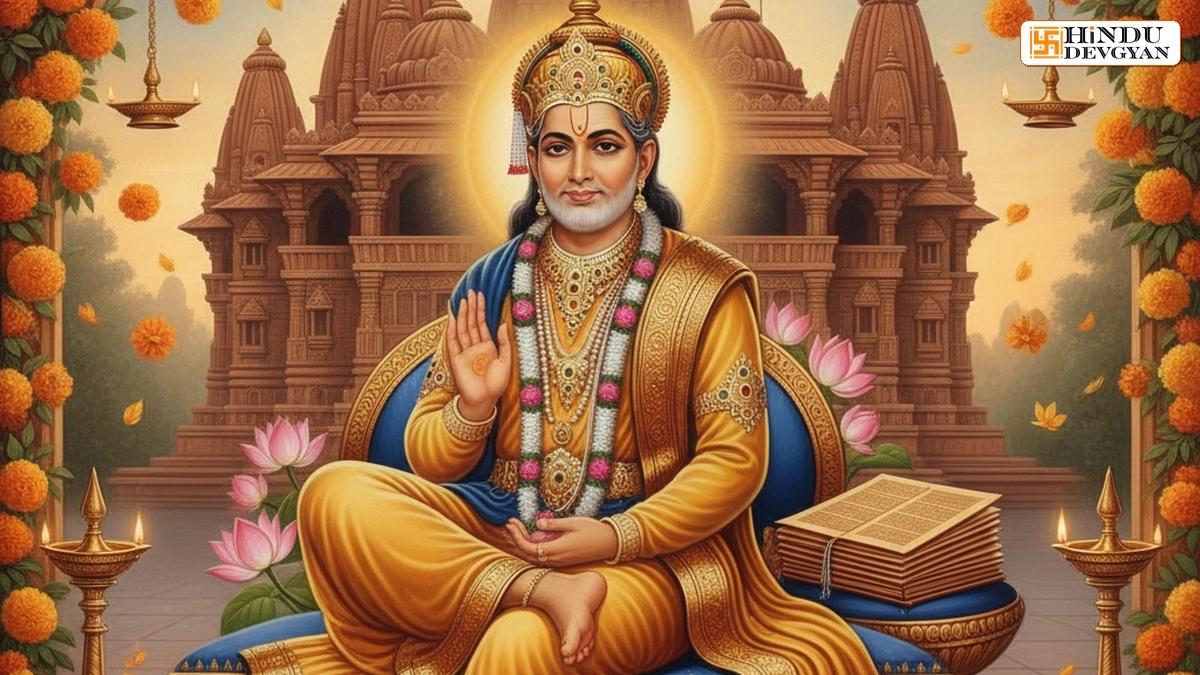
Rishi Panchami, falling on the fifth day of the bright half of the Bhadrapada month, is not just another fast; it is a profound act of gratitude and purification. It is primarily observed in reverence to the Saptarishis – Kashyapa, Atri, Bharadvaja, Vishwamitra, Gautama, Jamadagni, and Vashistha – who were the intellectual and spiritual architects of our civilization. These great seers, through their intense penance and unwavering dedication, revealed the Vedas and laid the foundation for righteous living (Dharma).
For centuries, this sacred day has been particularly significant for women. It is believed that observing Rishi Panchami grants absolution from sins related to ‘Rajo-dosha’ (impurities associated with menstruation), knowingly or unknowingly committed. This isn’t about guilt, but about acknowledging the cyclical nature of life and seeking spiritual cleansing to live in greater harmony with cosmic rhythms. It’s a day to remember the profound wisdom of our sages, whose lives were exemplars of simplicity, austerity, and deep connection with nature.
Transform Your Home’s Energy Today!
Discover the ancient secrets to attracting wealth, health, and harmony. Download our premium 5-chapter Vastu Shastra guide instantly.
कश्यपो अत्रिर्भरद्वाजो विश्वमित्रो गौतमः।
जमदग्निर्वसिष्ठश्च सप्तैते ऋषयः स्मृताः॥
Kashyapo Atrirbharadvājo Viśvāmitro Gautamaḥ |
Jamadagnirvasiṣṭhaśca Saptete Ṛṣayaḥ Smṛtāḥ ||Word-by-word meaning:
कश्यपः (Kashyapah): Kashyapa
अत्रिः (Atrih): Atri
भरद्वाजः (Bharadvajah): Bharadvaja
विश्वमित्रः (Vishwamitrah): Vishwamitra
गौतमः (Gautamah): Gautama
जमदग्निः (Jamadagnih): Jamadagni
वसिष्ठः (Vashishthah): Vashistha
च (cha): and
सप्तैते (sapt-aite): these seven
ऋषयः (rishayah): sages
स्मृताः (smritah): are remembered / knownEnglish Translation: Kashyapa, Atri, Bharadvaja, Vishwamitra, Gautama, Jamadagni, and Vashistha—these seven are remembered as the Sages.
📲 Join Our WhatsApp Channel
रोज़ सुबह पाएं — पंचांग, मंत्र, और आध्यात्मिक ज्ञान सीधे WhatsApp पर。
Get daily Panchang, Mantras & Spiritual Wisdom every morning.
Step-by-Step Vidhi, Shubh Muhurat & Planetary Influences
Observing Rishi Panchami requires sincerity and adherence to specific rituals to fully reap its spiritual benefits. Here’s your definitive guide for Rishi Panchami 2027:
- Rishi Panchami Date: Wednesday, September 15, 2027
- Panchami Tithi Begins: September 14, 2027, at 04:34 PM
- Panchami Tithi Ends: September 15, 2027, at 06:07 PM
- Rishi Panchami Puja Muhurat: 11:03 AM to 01:30 PM (Duration: 2 Hours 27 Mins) on September 15, 2027
The Sacred Vidhi:
- Purification Bath (Snana): Wake up before sunrise. Take a purifying bath using water mixed with Gangajal. Traditionally, a bath taken with ‘Datun’ (Neem stick) is considered highly auspicious for spiritual cleansing on this day.
- Sankalpa (Vow): After bathing, face East and take a solemn vow (Sankalpa) to observe the Rishi Panchami Vrat with devotion, seeking blessings from the Saptarishis for spiritual purification.
- Altar Preparation: Set up a clean altar. Place idols or images of the Saptarishis. If not available, seven small stones or betel nuts can represent them.
- Offerings (Upachara): Offer flowers (especially white or yellow), sandalwood paste (chandan), turmeric (haldi), vermillion (kumkum), unbroken rice (akshat), sacred thread (janeu), and pure water. Light a ghee lamp and incense sticks.
- Puja & Aarti: Perform puja by chanting the names of the Saptarishis or the mantra given above. Conclude with an Aarti, waving a lamp before the deities.
- Brahmin Bhojan (Optional): If possible, offer food to a Brahmin or donate generously to charity.
- Fasting: Observe a fast throughout the day. Only consume permitted foods (details below). Break the fast after performing evening prayers.
Planetary influences during this period often highlight themes of wisdom, discipline, and purification, making it an ideal time for introspective practices. For more precise Panchang and muhurat details, consult your local astrologer or our resources.
Important Dos & Don’ts to Avoid Shastric Karma Errors
Observing Rishi Panchami is as much about the physical rituals as it is about internalizing its spiritual essence. Adhering to the dos and don’ts ensures the vrata’s full efficacy and prevents unintended karmic errors.
The DOS:
- Observe the Anuchana Vrat: This is the cornerstone of Rishi Panchami. Consume only fruits, roots, and grains that grow naturally without ploughing (known as ‘Anuchana Dhanya’ like Samo rice, Kuttu, Singhara). This practice aligns with the ascetic lifestyle of the Rishis.
- Deep Purification: Use the day for self-reflection, meditation, and chanting. Cleanse your mind, body, and soul.
- Show Gratitude: Offer prayers and express heartfelt gratitude to the Saptarishis for their immense contributions to humanity’s spiritual heritage.
- Charity and Seva: Engage in acts of kindness, donate to the needy, or offer service (seva) to the community.
- Maintain Celibacy: Observe brahmacharya (celibacy) on this auspicious day.
The DON’TS & The Plough Secret:
- DO NOT Consume Plowed Food: This is the most critical and unique injunction. Why? The deeper spiritual rationale is multifaceted:
- Respect for Mother Earth: Ancient traditions held a profound reverence for Bhumi Devi (Mother Earth). Ploughing, while essential for agriculture, was seen as ‘injuring’ the earth. Rishis, living closer to nature, sustained themselves on what the earth offered freely without human intervention – wild fruits, roots, and self-sown grains.
- Ascetic Purity: The Rishis embodied extreme simplicity. Consuming food that required significant human effort (like ploughing, which is a form of ‘karma’ or action) was considered a deviation from the ‘Akarmic’ or minimalist lifestyle they espoused. The idea was to live with minimal impact and maximum spiritual focus.
- Historical Context for Women: While universal, this rule gained specific relevance for women seeking absolution for impurities. By observing this ‘Anuchana Vrat,’ they symbolically shed connection with activities (like traditional farming) that might have been impacted by their monthly cycles, reaffirming their connection to a purer, unadulterated form of sustenance.
- Avoid Tamasic Food: Refrain from consuming onion, garlic, non-vegetarian food, and alcohol.
- Avoid Lustful Thoughts & Actions: Maintain purity of thought and deed throughout the day.
- Do Not Speak Harsh Words: Practice self-control over speech.
By diligently following these guidelines, you not only fulfill the requirements of the Vrat but also cultivate a deeper spiritual connection, aligning yourself with the pure, wise essence of the great Rishis. For a deeper dive into righteous living, explore the wisdom of the Bhagavad Gita.
Frequently Asked Questions
Here are answers to some common queries about Rishi Panchami:
Q1: What is the primary significance of Rishi Panchami?
A1: Rishi Panchami is a Hindu festival dedicated to honoring the Saptarishis (Seven Sages) and seeking spiritual purification. It is particularly significant for women seeking absolution from ‘Rajo-dosha’ (menstrual impurities), celebrating their connection to purity and cosmic cycles.
Q2: Why is food grown by plough forbidden on Rishi Panchami?
A2: The prohibition on eating plowed food (hal se uga ann) stems from a deep reverence for Mother Earth and the ascetic ideals of the Rishis. It’s believed that ploughing ‘injures’ the earth, and consuming naturally grown produce (Anuchana Dhanya) aligns with the sages’ simple, non-interfering lifestyle, promoting spiritual purity and minimizing karmic impact.
Q3: Who are the Saptarishis honored on Rishi Panchami?
A3: The Saptarishis traditionally honored are Kashyapa, Atri, Bharadvaja, Vishwamitra, Gautama, Jamadagni, and Vashistha. They are considered the primordial seers and teachers who guided humanity through the Vedic era. For more on Vedic wisdom, visit HinduDevGyan.
🔮 Curious About Your Birth Chart?
Discover your exact career path, marriage compatibility, and planetary dashas based on your exact birth time.
⭐ Recommended for You
Contains affiliate links. We earn a small commission at no extra cost to you.
Auspicious copper vessel for Puja, Kalash Sthapana and daily water offerings.