
हिंदी सारांश:
भारत में एक ऐसा चमत्कारिक और प्राचीन मंदिर स्थित है, जहां भगवान को जल के साथ विशेष रूप से काली मिर्च का प्रसाद चढ़ाया जाता है। सदियों पुरानी इस अनोखी परंपरा के पीछे गहरी आध्यात्मिक मान्यताएं, आरोग्य लाभ और ग्रहीय दोषों का निवारण छिपा हुआ है। जानिए इस पावन धाम और इसकी दिव्य परंपरा से जुड़ी पूरी कहानी।
The Sacred Marvel: India’s Unique Black Pepper Offering Ritual
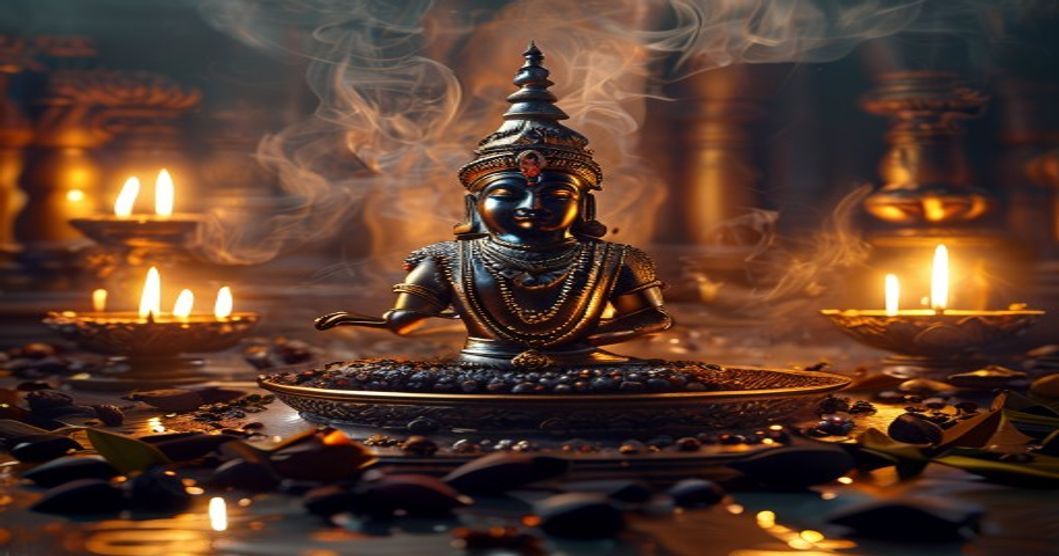
India is a land of infinite spiritual wonders, where every ancient shrine conceals profound secrets of healing, faith, and cosmic energy. Among the thousands of sacred sites across the country, a truly remarkable sanctuary stands out—a temple where devotees offer whole black pepper (Kali Mirch) along with water or raw milk to the supreme deity. While sweet offerings like laddus, panchamrit, and fruits are common in Hindu worship, this unique tradition of offering a sharp, pungent spice has fascinated pilgrims and scholars for centuries.
This ancient practice is not merely an unusual custom; it represents a powerful convergence of Vedic ritualism, Ayurveda, and cosmic science. Devotees travel from far and wide to participate in this sacred act, seeking physical recovery, relief from lingering ailments, and spiritual liberation.
The Spiritual and Astrological Significance of Kali Mirch
In Vedic symbology, black pepper holds a uniquely potent place. Known in Sanskrit as Maricha, black pepper is revered for its ability to destroy impurities, absorb negative vibrations, and stimulate internal vital energy (Prana). When offered to Lord Shiva or the temple’s presiding deity, it signifies the surrender of one’s inner toxins, anger, and ego.
According to Vedic astrology, black pepper is strongly associated with the malefic influences of planets such as Saturn (Shani), Rahu, and Ketu. When planetary alignments cause obstacles, health issues, or delays in an individual’s Kundli, performing this special black pepper offering helps neutralize heavy karmic afflictions and bring peace to the mind and body.
Health Cures and Miraculous Healing Traditions
The tradition of offering black pepper is deeply tied to divine healing. For centuries, pilgrims suffering from chronic ailments—particularly throat disorders, skin conditions, eye problems, and persistent respiratory afflictions—have visited this holy abode with deep devotion. The ritual follows a sacred pattern:
- Surrounding the Deity: Devotees present a measured count of whole black peppercorns while chanting sacred mantras.
- Holy Water Abhishekam: The peppercorns are offered alongside fresh water or unpasteurized milk poured gently over the divine Lingam or idol.
- Consuming the Prasadam: A small portion of the blessed pepper or consecrated water is given back to the devotee to consume as divine medicine.
Devotees consistently report remarkable relief from long-standing health issues after partaking in this ritual with total faith, reinforcing the timeless wisdom that true healing begins when spiritual devotion meets natural elements.
Aligning Devotion with Auspicious Timings and Sacred Living
To maximize the spiritual benefits of visiting such sanctified shrines, ancient traditions advise performing rituals during specific lunar phases and planetary hours. Checking the daily Panchang allows worshippers to identify highly auspicious muhurats—such as Mondays, Pradosh Vrat, or Mahashivratri—when cosmic energies are most receptive to offerings.
Furthermore, Vedic sages emphasize that sacred temple visits should be complemented by maintaining righteous conduct and positive energy in daily life. Applying principles of Vastu in your living space creates a harmonious environment that sustains the divine blessings received at holy temples.
The Philosophy of Karma and Divine Grace
Why do we offer something sharp like black pepper to God? The wisdom embedded in sacred texts like the Bhagavad Gita teaches us that our actions and their consequences—our Karma—can sometimes be bitter and hard to swallow. By offering the fiery, pungent black pepper to the Divine, the devotee symbolically surrenders all past sins, bitter experiences, and suffering at the feet of the Lord, asking for divine grace to purify their life path.
At HinduDevGyan, we remain committed to preserving and sharing these extraordinary treasures of Sanatana Dharma, helping spiritual seekers understand the profound meaning hidden behind ancient traditions.
Conclusion
The unique tradition of offering black pepper is a living testimony to the timeless depth of Hindu heritage. It reminds us that faith in the Divine, combined with ancient Vedic practices, holds the key to physical health, mental clarity, and ultimate spiritual well-being. Visiting this extraordinary temple and participating in its centuries-old ritual is an experience that leaves every seeker deeply transformed and spiritually uplifted.