हिंदी सारांश:
भारत के इस प्राचीन और चमत्कारिक मंदिर में भगवान को मीठे की जगह काली मिर्च का विशेष प्रसाद चढ़ाया जाता है। सदियों पुरानी यह अनोखी परंपरा न केवल असाध्य रोगों और कष्टों से मुक्ति दिलाती है, बल्कि ग्रहों के दोषों को भी दूर करती है। जानिए इस अनोखे प्रसाद के पीछे का अनसुना रहस्य और इसका धार्मिक महत्व।
Introduction: The Unbroken Tradition of Sacred Offerings
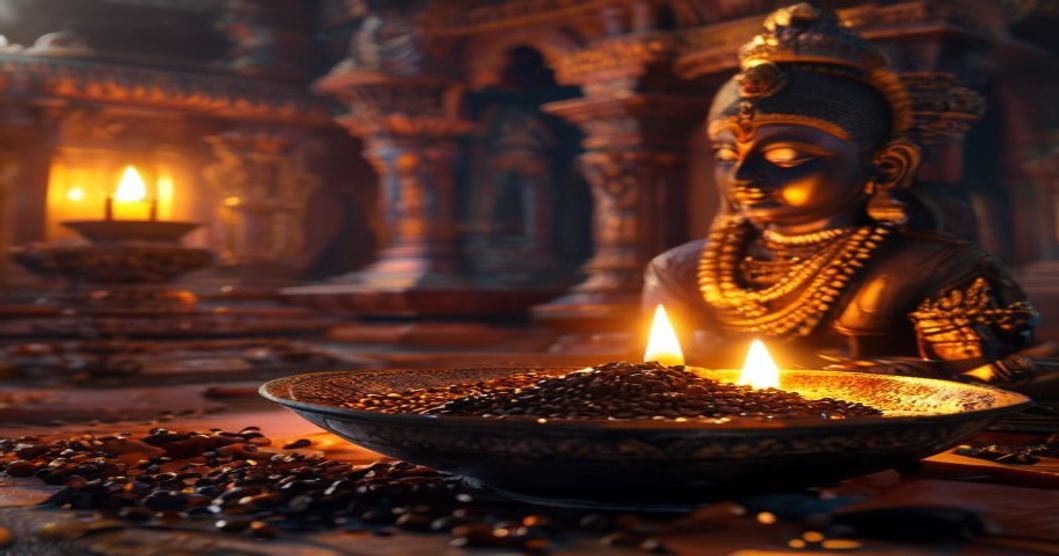
In Sanatana Dharma, temple rituals and offerings (Prasadam) carry profound spiritual, medicinal, and symbolic significance. While devotees across the globe are familiar with sweet offerings such as Laddoo, Panchamrit, and Payasam, India is home to extraordinary shrines that preserve deeply symbolic, centuries-old traditions. Among these architectural and spiritual marvels stands a legendary temple where the primary offering to the Divine is none other than Kaali Mirch (Black Pepper).
This remarkable ritual is not merely a local custom; it is rooted in ancient Ayurvedic wisdom, planetary astrology, and intense devotional symbolism. Thousands of pilgrims visit this sacred space to offer black pepper to seek relief from chronic ailments, overcome stubborn obstacles, and purify their spiritual energy.
The Mystery Behind the Black Pepper Offering
In Vedic symbolism, food offered to the Almighty represents the devotee’s inner gunas (qualities) and earthly attachments. Black pepper, known in Sanskrit as Maricha (named after the Vedic sage or the rays of the Sun), possesses intense heat (Ushna Virya) and purifying properties. Offering raw black pepper symbolizes burning away negative karma, ego, and physical suffering in the cosmic fire of divine grace.
Legend has it that centuries ago, a devotee suffering from an incurable respiratory illness surrendered completely at the deity’s feet, offering the only commodity he possessed—his harvest of black pepper. He was miraculously cured. Since then, faith in this sacred tradition has grown exponentially, attracting seekers from every corner of the country.
Spiritual and Astrological Significance
Beyond physical healing, the offering of black pepper holds vital weight in Vedic astrology. Black pepper is spiritually aligned with powerful cosmic energies, particularly those of Lord Saturn (Shani Dev), Rahu, and the Sun (Surya Dev).
- Mitigating Malefic Planetary Effects: In Vedic astrology, severe afflictions in one’s Kundli or birth chart—such as Shani’s Saade Sati or Rahu Dosha—can cause sudden blockages and health issues. Offering black pepper serves as a remedy to pacify these intense planetary energies.
- Warding Off Negative Energies: Black pepper has long been utilized in traditional Vedic remedies to neutralize Nazar Dosha (evil eye) and dispel heavy astral vibrations.
- Purification of Divine Karma: According to the law of Karma detailed in ancient texts, physical illnesses are often the fruition of past actions. Offering pungent spices signifies willingness to endure and burn away negative karmic debts.
Vedic Rituals and Health Benefits in Sacred Practice
The convergence of Ayurveda and Hindu temple rituals is evident in this divine practice. In Vedic medicine, black pepper is revered as a potent herb capable of balancing Kapha and Vata doshas, boosting digestion, and clearing toxins (Ama) from the body.
When visiting the shrine on auspicious days calculated through the sacred Panchang, devotees participate in special Abhishekam and ritual offerings. The consecrated pepper is later distributed back to devotees as divine Prasadam, which many consume in small quantities daily as a sacred shield for body and mind.
Key Highlights of This Centuries-Old Tradition
- A Unique Divine Remedy: Devotees pledge a specific quantity of whole black pepper to the deity when making sacred vows (Mannat) for health and well-being.
- Symbol of Total Surrender: The sharp, pungent nature of pepper represents the bitter trials of human life handed over to the divine for transformation into peace.
- Protection from Evil Eye: The consecrated pepper is often wrapped in small red or black cloth pouches and kept in homes or worn for spiritual protection.
- Harmonizing Faith and Science: The tradition beautifully bridges ancient spiritual ritual with practical herbal healing practices preserved through generations.
Conclusion: Experiencing Divine Faith
The unique tradition of offering black pepper reminds us that Sanatana Dharma is vast, deep, and deeply connected to nature’s remedies. Whether approached through the lens of unwavering faith, Vedic astrology, or health-centric traditions, this temple stands as a testament to India’s timeless spiritual heritage. To explore more secret temple traditions, Vedic wisdom, and astrological insights, continue your journey with HinduDevGyan.