हिंदी सारांश:
सावन 2026 के पावन महीने में भारत के इस चमत्कारिक शिव मंदिर की रहस्यमयी कथा श्रद्धालुओं को आकर्षित कर रही है, जहां हर साल एक नाग स्वतः प्रकट होकर भगवान शिव के दर्शन करता है। धार्मिक मान्यताओं के अनुसार, इस मंदिर में सर्प का आगमन केवल संयोग नहीं बल्कि प्रत्यक्ष दैवीय कृपा और आध्यात्मिक ऊर्जा का प्रतीक है। जानिए इस रहस्यमयी मंदिर का पौराणिक इतिहास और नाग पूजा का ज्योतिषीय महत्व।
The Mystical Phenomenon: Annual Appearance of the Sacred Cobra
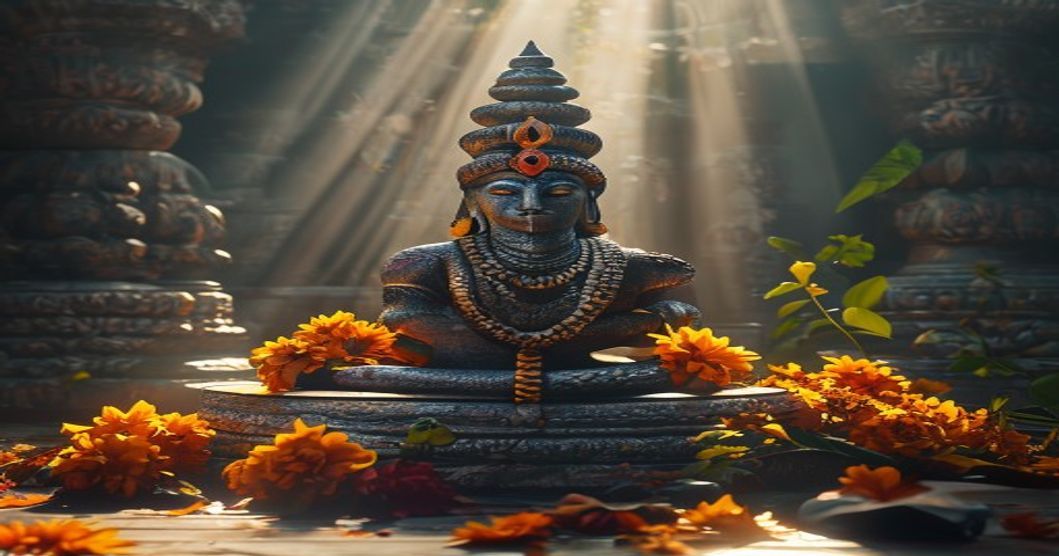
In the heart of India’s spiritual landscape lie sanctuaries where the boundary between the mortal realm and divine manifestation blurs. As believers prepare for Sawan 2026, attention turns once again to a legendary Shiva temple renowned for an astounding event: the miraculous annual appearance of a live cobra inside the sanctum sanctorum.
Every year during the holy month of Shravan, local devotees and priests witness a serpent mysteriously entering the temple complex. Without harming anyone, the snake slithers directly toward the Shiva Lingam, rests near the deity for hours, and disappears mysteriously. Devotees consider this non-aggressive visitor to be an envoy of Lord Shiva, validating the living power of Sanatana Dharma.
Vedic Significance of Nagas and Lord Shiva
To understand why a serpent visiting a Shiva shrine creates such awe, one must explore Vedic iconography. Lord Shiva is known as Nagabhushana—the divine Lord adorned with serpents. The King of Serpents, Vasuki, rests around Mahadev’s neck, symbolizing conquered ego, controlled desire, and dormant spiritual energy known as Kundalini Shakti.
According to Puranic tradition, during the legendary event of Samudra Manthan (Ocean Churning), Vasuki served as the churning rope. When the lethal poison Halahala emerged, Lord Shiva consumed it to save the cosmos, earning the name Neelkanth. Out of gratitude, Vasuki offered himself to adorn Lord Shiva’s neck. Thus, the presence of a serpent at a Shiva temple during Shravan is viewed as a direct expression of deep cosmic devotion.
Astrological Relief: Mitigating Kaal Sarp Dosh in Shravan
From an astrological perspective, serpents hold immense power over planetary alignments. In Vedic astrology, the shadow planets Rahu and Ketu represent the head and tail of the cosmic serpent. When all major planets fall between Rahu and Ketu, it forms the famous Kaal Sarp Dosh in an individual’s birth chart.
Analysing your **Kundli** often reveals if Rahu and Ketu are causing unexpected delays, anxieties, or financial obstacles. Worshipping Lord Shiva during Sawan—especially in temples marked by divine serpent manifestations—is considered one of the most potent remedies to neutralize these planetary afflictions.
Consulting the sacred **Panchang** during Sawan can help you identify ideal times like Pradosh Vrat or Nag Panchami to perform Shiva Abhishekam, ensuring maximum spiritual benefits and inner peace.
Spiritual Takeaways from the Serpent Mystery
This miraculous annual event offers profound spiritual lessons for modern seekers striving to balance material lives with divine connection:
- Harmonious Coexistence: The cobra’s calm presence reminds us that when pure devotion is present, fear disappears and nature lives in peace.
- Awakening Kundalini Energy: The serpent symbolizes the dormant spiritual power at the base of the spine, waiting to ascend through intense Sadhana.
- Universal Consciousness: As described in the **Bhagavad Gita**, the divine energy resides equally in all living creatures, from humans to serpents.
As Sawan arrives, visiting such sacred shrines or meditating upon the divine form of Mahadev can illuminate our spiritual path. Explore deeper scriptural wisdom, rituals, and sacred lore on **HinduDevGyan** to enrich your daily spiritual practice.