हिंदी सारांश:
देवशयनी एकादशी 2026 पर क्या भगवान विष्णु वास्तव में निद्रा में चले जाते हैं? जानें क्षीरसागर में श्रीहरि की योगनिद्रा का गूढ़ आध्यात्मिक और वैदिक रहस्य, राजा बलि की कथा, तथा चातुर्मास के दौरान भगवान शिव द्वारा सृष्टि संचालन का वैज्ञानिक और धार्मिक महत्व।
The Mystery of Devshayani Ekadashi 2026: Physical Sleep or Cosmic Consciousness?
Every year, the sacred observance of Devshayani Ekadashi marks a profound turning point in the Sanatana Hindu calendar. Falling on the Ekadashi Tithi of the Ashadha month (Shukla Paksha), this auspicious day signals the beginning of Chaturmas—the sacred four-month period during which auspicious ceremonies like marriages are paused. A common question intrigues millions of devotees: Does Lord Vishnu, the Supreme Preserver of the Universe, actually fall asleep on Devshayani Ekadashi?
To understand this divine phenomenon, one must look beyond human perception and delve into the esoteric Vedic texts. As explained by sacred scriptures on HinduDevGyan, Lord Vishnu’s slumber is not ordinary physical tiredness; it is an exalted state of cosmic meditation known as Yoga Nidra.
What is Yoga Nidra? The Vedic Reality of Divine Slumber
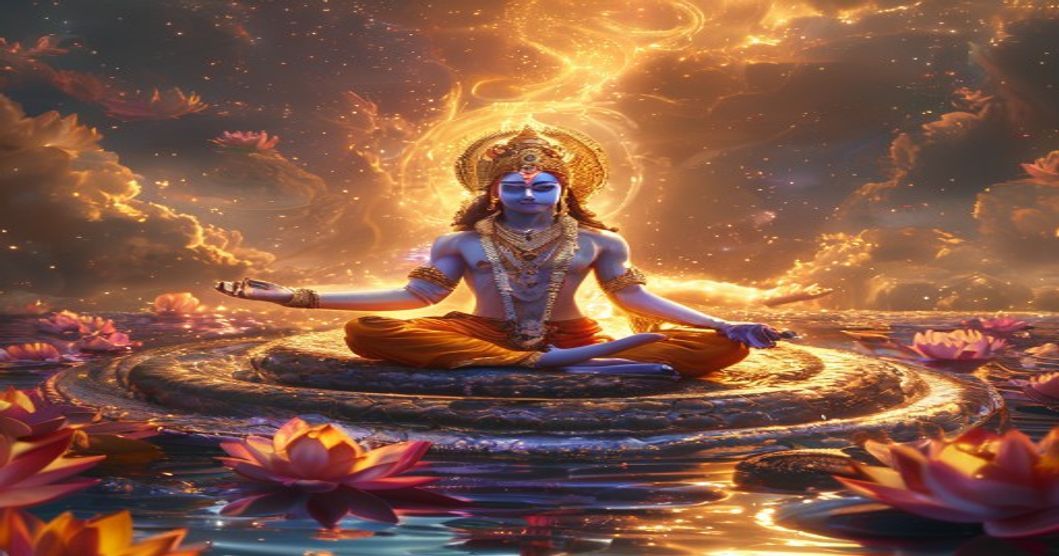
In Sanatana Dharma, the Supreme Being is beyond physical fatigue, hunger, or sleep. When scriptures state that Lord Vishnu enters slumber in the Ksheer Sagar (Ocean of Milk) atop the celestial serpent Sheshnag, it refers to a deep state of conscious resting and meditative equilibrium.
During these four months, the universe undergoes seasonal changes—specifically the monsoon in India—which symbolizes rebirth, introspection, and purification. By retreating into Yoga Nidra, Lord Vishnu encourages all living beings to withdraw their senses from external materialism and focus inward on spiritual sadhana and Karma yoga.
The Legend of King Bali and Chaturmas
According to the Srimad Bhagavatam, the origin of Lord Vishnu’s cosmic slumber is deeply connected with his Vamana Avatar and the noble Demon King Bali:
When Lord Vishnu measured the three worlds in three steps, he was deeply pleased by King Bali’s boundless devotion and devotion to righteousness. Lord Vishnu granted Bali a boon, asking him to request whatever his heart desired. King Bali humbly requested that Lord Vishnu permanently reside with him in the netherworld (Sutala Loka).
Bound by love for His devotee, Lord Vishnu accepted. However, goddess Lakshmi requested Bali to release her husband. Honoring the bond, Lord Vishnu promised to stay in Sutala Loka for four months every year—from Devshayani Ekadashi to Devuthani Ekadashi. This period became known as Chaturmas, during which cosmic administration is gracefully handled by Lord Shiva.
Why Auspicious Events Pause During Chaturmas
During these four months, physical rituals like weddings, housewarmings (Griha Pravesh), and tonsure ceremonies are traditionally suspended. Before planning major lifecycle events, devotees consult the sacred Panchang to verify auspicious muhurats.
The cosmic rationale behind this pause includes:
- Focus on Internal Awakening: External celebrations take a backseat so seekers can focus on fasting, mantra chanting, and scriptural readings.
- Harmonizing Planetary Energies: Seasonal shifts during the monsoon affect body temperament (Vata, Pitta, and Kapha). Aligning one’s daily routine during Chaturmas helps balance individual energetic charts or Kundli placements.
- Dynamic Balance of Nature: Nature undergoes regeneration, requiring human beings to practice restraint, simple living, and eco-conscious fasting (Vrat).
Key Devshayani Ekadashi Vrat Rituals
Observing the Devshayani Ekadashi Vrat bestows peace, clears past negative karmas, and grants divine grace. To gain maximum spiritual benefits, devotees follow these standard observances:
- Early Morning Purification: Take a holy bath during Brahma Muhurta and wear clean yellow attire, which is beloved by Lord Vishnu.
- Sankalpa & Puja: Place an idol or image of Lord Hari, offer yellow flowers, Tulsi leaves, sandalwood paste, and fresh fruits.
- Chanting Sacred Mantras: Recite the powerful “Om Namo Bhagavate Vasudevaya” or the Vishnu Sahasranama throughout the day.
- Charity & Fasting: Observe a complete or fruit-based fast (Falahar) and donate food, clothes, or umbrellas to the needy.
Conclusion
Devshayani Ekadashi 2026 is far more than a mythological story of divine rest. It is a profound invitation from the Supreme Lord to simplify our lives, discipline our senses, and connect deeply with the eternal truth. When Lord Vishnu enters Yoga Nidra, he reminds humanity that true power lies in silent contemplation, inner stillness, and righteous living.