
हिंदी सारांश:
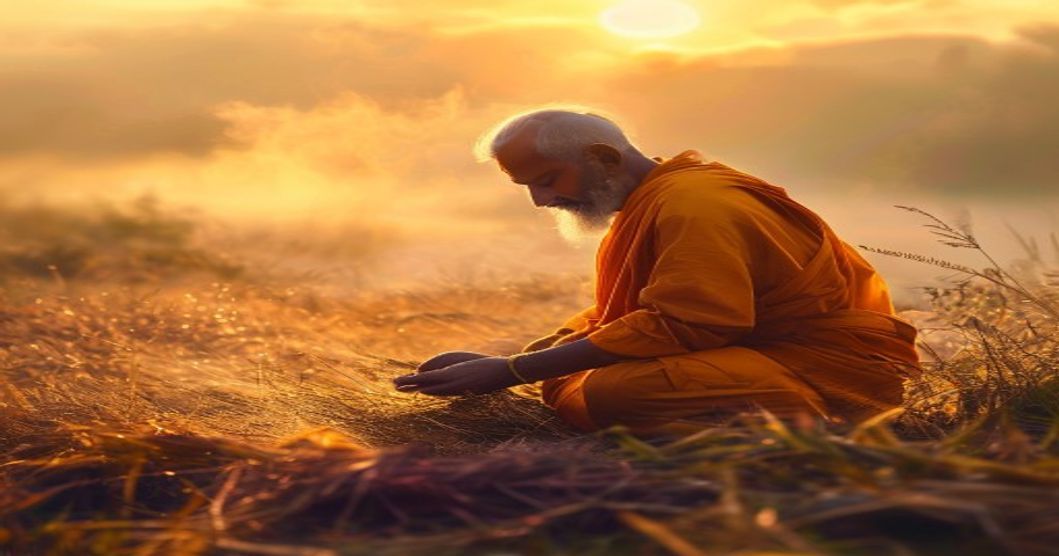
कुशोत्पाटिनी अमावस्या (भाद्रपद अमावस्या) हिंदू धर्म में एक अत्यंत पवित्र तिथि है। वैदिक शास्त्रों के अनुसार, वर्ष में केवल इसी दिन दैनिक पूजा, हवन और तर्पण के लिए उपयोग की जाने वाली पवित्र ‘कुश’ घास को तोड़ने का विधान है। इस विशेष तिथि पर नियमपूर्वक तोड़ी गई कुश घास पूरे एक वर्ष तक अपनी पवित्रता और ऊर्जा बनाए रखती है।
The Sanctity of Kushotpatini Amavasya 2026
In Vedic Sanatana Dharma, the New Moon day of the Bhadrapada month holds an extraordinary spiritual place. Popularly known as Kushotpatini Amavasya (and in several regions as Pithori Amavasya), this divine day is specifically designated for collecting Kusha grass (Desmostachya bipinnata)—a holy botanical essential for every Hindu ritual, Yajna, and Pitru Tarpan.
According to ancient texts, while regular plants and herbs lose their spiritual efficacy quickly after being harvested, Kusha grass gathered on Kushotpatini Amavasya remains spiritually pure and potent for an entire year. Discovering the cosmic significance of this day allows devotees to connect deeply with Vedic traditions preserved by HinduDevGyan for modern spiritual seekers.
Why Kusha Grass Is Essential in Vedic Rituals
Kusha grass is not merely a plant; it is considered a divine gift born from the cosmic ocean during the churning (Samudra Manthan) or associated with the body of Lord Vishnu in His Varaha avatar. In sacred scriptures like the Bhagavad Gita, sitting on a mat made of Kusha grass during meditation is recommended to prevent the dissipation of spiritual energy into the earth.
Here is why Kusha grass is indispensable in Sanatana Dharma:
- Energy Conductor: It acts as an insulator during Sadhana, holding the spiritual charges generated through Mantra chanting.
- Protection Against Negative Energies: Wearing a ring made of Kusha (Pavitri) on the ring finger during rituals purifies the hands and wards off evil forces.
- Essential for Ancestral Rites: Offering water (Tarpan) to departed ancestors without Kusha grass is considered incomplete in Vedic traditions.
Strict Vedic Rules for Plucking Kusha Grass
Plucking Kusha grass on Kushotpatini Amavasya is governed by precise rituals. Disrupting nature without divine permission is discouraged in Sanatana Karma principles. Therefore, specific guidelines must be followed:
- No Iron Tools: Kusha grass must strictly be plucked using hands. Using iron sickles or knives renders the grass unholy for spiritual use.
- Preserving Root Systems: The root of the grass must not be uprooted or destroyed completely; only the green blades should be gathered cleanly.
- Facing Auspicious Directions: The gatherer must face East or North during the morning auspicious Muhurat while executing the task.
- Reciting the Divine Mantra: Before plucking, one must bow to Mother Earth and recite the sacred mantra: “Om Phat Swaha” or pray to the grass, seeking forgiveness for disturbing it.
Significance for Ancestral Rites (Pitru Paksha)
Kushotpatini Amavasya acts as a spiritual gateway just before the commencement of Pitru Paksha (the fortnight dedicated to ancestors). Plucking the Kusha grass on this Amavasya ensures that households are prepared with pure ritual material for perform ancestral offerings, peace ceremonies, and Shraddha rituals.
Individuals suffering from Pitru Dosha in their birth chart are strongly advised to perform Tarpan using freshly harvested Kusha grass on this day to seek ancestral blessings and remove life obstacles.
How to Observe Kushotpatini Amavasya at Home
Even if you cannot personally harvest Kusha grass, observing this holy day brings immense peace and spiritual merit:
- Take a holy dip in a river or add a few drops of Ganga Jal to your bathing water early in the morning.
- Perform water offerings (Arghya) to the Sun God using a copper vessel.
- Light a ghee lamp facing the South direction in remembrance of your ancestors.
- Donate food, sesame seeds, umbrella, or clothes to the needy and Brahmins.