हिंदी सारांश:
- इस वर्ष, वट सावित्री द्वादशी (बछ बारस) व्रत मंगलवार, 8 सितंबर 2026 को पुत्र की लंबी आयु और सुख-समृद्धि के लिए किया जाएगा।
- इस दिन गौ माता और बछड़े की विशेष पूजा अर्चना की जाती है, साथ ही विशेष पूजन विधि और उद्यापन के नियम जानने अत्यंत महत्वपूर्ण हैं।
- व्रत के दौरान दूध या दूध से बनी चीजों का सेवन वर्जित होता है, और गौ-बछड़ा पूजन में एक छोटी सी गलती आपके व्रत को अधूरा बना सकती है।
As the celestial clock turns its majestic hands, a deeply profound and spiritually charged day approaches – Vats Dwadashi, often reverently known as Bach Baras. This year, on Tuesday, September 8, 2026, millions of devout mothers will observe this sacred fast, their hearts filled with unwavering devotion, seeking the divine blessings for the long life, robust health, and boundless prosperity of their beloved sons. As an elite Hindu Religious Scholar and Spiritual Travel Journalist, I invite you to delve deep into the profound significance and meticulous rituals of this ancient observance.
In a world often swept away by the ephemeral, Vats Dwadashi stands as a timeless beacon of maternal love, connecting us to the purest forms of creation and protection. It is a day when the revered cow and her calf become living embodiments of divine grace, their worship a direct conduit to universal well-being.
Significance & Vedic Shastric Context
Vats Dwadashi, falling on the Dwadashi (12th day) of the Krishna Paksha (dark fortnight) of the Bhadrapada month (as per the Amanta calendar) or Ashwin month (Purnimanta calendar), is a venerated Hindu festival. Its name, ‘Vats Dwadashi’, itself signifies its essence: ‘Vats’ meaning calf, and ‘Dwadashi’ referring to the twelfth day. This sacred day precedes Govardhan Puja in some traditions, while in others, it holds an independent significance, particularly for the welfare of progeny.
Transform Your Home’s Energy Today!
Discover the ancient secrets to attracting wealth, health, and harmony. Download our premium 5-chapter Vastu Shastra guide instantly.
The roots of this observance run deep into Vedic scriptures, glorifying the cow as ‘Gau Mata’ – the Divine Mother. She is considered a living manifestation of all gods and goddesses, a source of sustenance, purity, and profound spiritual energy. Worshipping the cow and her calf on this day is believed to invoke the blessings of all 33 crore deities residing within the cow, particularly for the well-being and longevity of children, especially sons.
It is said that observing this vrat with sincerity can alleviate planetary afflictions related to progeny and grant the boons of good fortune, health, and a long, virtuous life to one’s offspring. It’s a testament to the Hindu reverence for nature, seeing the divine in every living being, especially those that nurture humanity.
नमो गोभ्यः श्रीमतीभ्यः सौरभेयीभ्य एव च । नमो ब्रह्मसुताभ्यश्च पवित्राभ्यो नमो नमः ॥
Namo gobhyaḥ śrīmatībhyaḥ saurabheyībhya eva ca | Namo brahmasutābhyaśca pavitrābhyo namo namaḥ ||
Meaning: Salutations to the cows, the auspicious ones, born of Surabhi. Salutations to the daughters of Brahma, the pure ones, again and again.
📲 Join Our WhatsApp Channel
रोज़ सुबह पाएं — पंचांग, मंत्र, और आध्यात्मिक ज्ञान सीधे WhatsApp पर。
Get daily Panchang, Mantras & Spiritual Wisdom every morning.
Step-by-Step Vidhi, Shubh Muhurat & Planetary Influences
Observing Vats Dwadashi (Bach Baras) requires purity of intention and adherence to specific rituals. Here’s your definitive guide for Tuesday, September 8, 2026:
Vats Dwadashi 2026 – Auspicious Timings:
- Vats Dwadashi Tithi Begins: Monday, September 7, 2026, at 09:30 PM
- Vats Dwadashi Tithi Ends: Tuesday, September 8, 2026, at 08:00 PM
- Brahma Muhurat (Early Morning Puja): 04:30 AM to 05:15 AM, Tuesday, Sep 8, 2026
- Abhijit Muhurat (Midday Auspiciousness): 11:45 AM to 12:35 PM, Tuesday, Sep 8, 2026
- Pradosh Kaal (Evening Puja): 06:20 PM to 08:30 PM, Tuesday, Sep 8, 2026
(Note: These timings are general and may vary slightly based on your specific geographical location. Always consult a local Panchang for precise details.)
Sacred Puja Vidhi:
- Early Morning Purity: Wake up during Brahma Muhurat, cleanse yourself, and wear clean, traditional attire.
- Sankalpa (Intention): With folded hands, take a solemn vow (Sankalpa) to observe the fast with devotion for your son’s longevity and well-being.
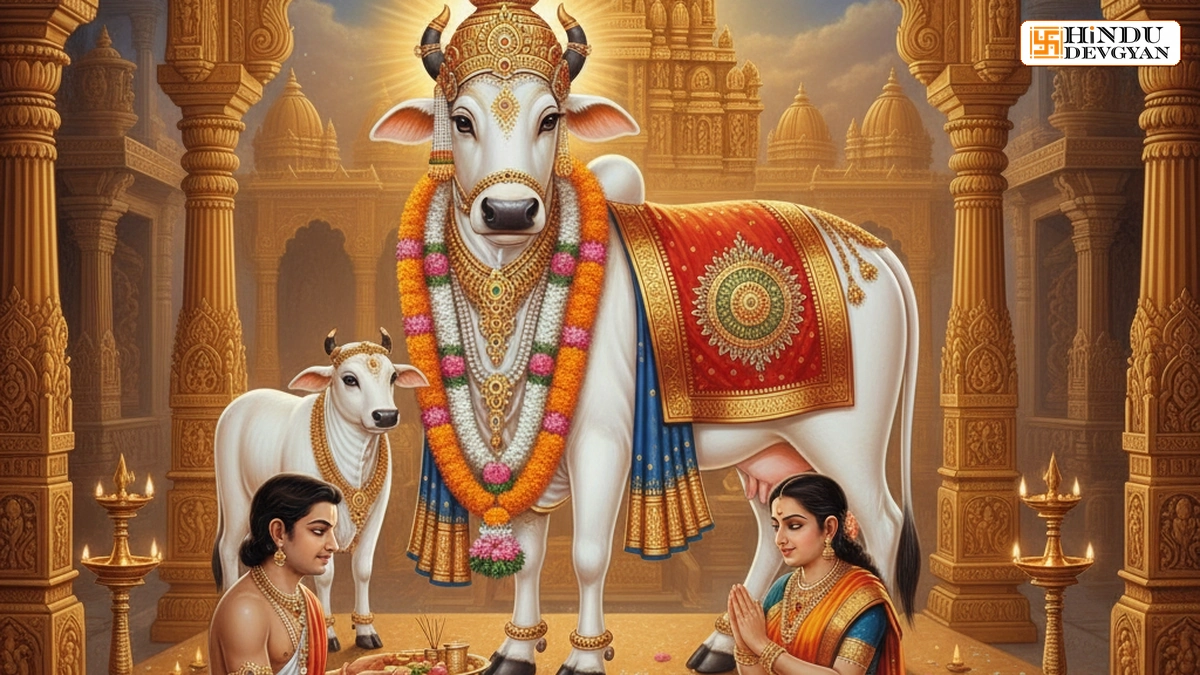
- Locate a Cow and Calf: The essence of this vrat is the worship of a cow with her calf. If you have them at home, splendid. Otherwise, visit a nearby Goshala (cow shelter) or a place where a cow and calf reside.
- Pre-Puja Preparation: Clean the area where the puja will be performed. Gather your puja items: water, rice, roli, kumkum, fresh flowers (especially marigold), sweets (Puri, Gulgule, soaked chickpeas, wheat products), incense, diya, and a small amount of soil/clay.
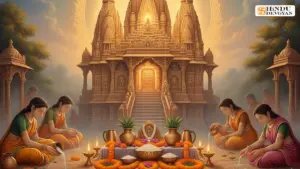
- Gau-Bachda Pujan: Apply tilak (roli and kumkum) on the forehead of the cow and calf. Offer flowers, sweets, and water. Gently garland them. Offer the soaked chickpeas and wheat products to them to eat. Light a diya and incense, and perform their aarti.
- Symbolic Representation: If a live cow and calf are not accessible, make idols of a cow and calf from clay or draw them on a clean wall. Worship these symbolic representations with the same devotion.
- Listen to Vrat Katha: Recite or listen to the Vats Dwadashi Vrat Katha, which narrates the glory and benefits of this fast.
- Fasting Rules: Observe a nirjala (waterless) fast or a phalahari (fruit-based) fast throughout the day. Crucially, refrain from consuming any milk or milk products (curd, ghee, paneer, etc.) made from cow’s milk on this day.
- Evening Offerings & Conclusion (Udyapan): In the evening, after sunset, offer prayers to the cow and calf again. You may break your fast with the prasadam (offerings) that were made to the deities (excluding milk products).
Planetary Influences:
Observing Vats Dwadashi is believed to strengthen the position of beneficent planets in one’s Kundli, particularly Jupiter (Guru), which governs progeny, wisdom, and prosperity. A strong and well-placed Jupiter ensures the well-being and good fortune of children. This vrat also helps mitigate any malefic influences related to the 5th house, which signifies children in Vedic astrology.
Important Dos & Don’ts to Avoid Shastric Karma Errors
The efficacy of any vrat lies not just in its performance, but also in adhering to its sanctity. Here are crucial guidelines to ensure your Vats Dwadashi observance is complete and fruitful:
The 1 Vrat Mistake to Avoid:
Neglecting the Calf in the Puja: While the cow (Gau Mata) is supremely revered, the essence of Vats Dwadashi (Bach Baras) explicitly involves the worship of both the cow AND her calf. Many devotees, due to oversight or unavailability, might only worship an adult cow. This can render the vrat incomplete. Ensure you find a cow with her calf, or at least use symbolic representations of both, to receive the full blessings intended for this sacred day.
Do’s:
- Fasting: Observe a strict fast, either waterless (nirjala) or consuming only fruits (phalahari), as per your capacity.
- Devotion to Gau Mata: Show utmost respect and care towards cows. Feed them generously.
- Traditional Offerings: Offer sprouted moong beans (lentils), wheat products, and fresh water to the cow and calf.
- Recite Mantras: Chant Om Namo Bhagavate Vasudevaya or Vishnu Sahasranama for greater benefits.
- Charity: Donate grains, clothes, or money to the needy, especially on this day.
Don’ts:
- Milk Consumption: Absolutely refrain from consuming milk or any milk products (curd, ghee, cheese, sweets made from milk) derived from cows on this day.
- Sharp Objects: Do not use scissors, knives, or any sharp objects on cows or calves. Avoid causing them any harm.
- Anger & Conflict: Maintain a calm and peaceful demeanor. Avoid arguments or negative thoughts, as these can dilute the spiritual benefits of the fast.
- Non-vegetarian Food: Strictly avoid non-vegetarian food, alcohol, and tobacco.
- Sleeping during Puja Timings: Remain awake and engaged in prayer during the auspicious muhurats.
May your observance of Vats Dwadashi (Bach Baras) 2026 bring immense blessings, joy, and the fulfillment of your deepest prayers for your beloved sons. For further insights into auspicious timings and spiritual practices, explore HinduDevGyan.
Frequently Asked Questions
Q1: Who should primarily observe Vats Dwadashi (Bach Baras) Vrat?
A: This vrat is primarily observed by mothers who wish for the long life, good health, and prosperity of their sons. However, anyone can participate in the cow and calf worship for general well-being and blessings.
Q2: What if I cannot find a cow and calf for worship?
A: If access to a live cow and calf is not possible, you can create symbolic idols of a cow and calf using clay, mud, or even draw them on a clean surface. Worship these representations with the same devotion and sincerity.
Q3: Can daughters observe Vats Dwadashi for their brothers?
A: While traditionally observed by mothers for sons, there is no restriction for daughters or sisters to observe this vrat for the well-being of their brothers. The core intention of seeking longevity and prosperity for family members is universally auspicious.
🔮 Curious About Your Birth Chart?
Discover your exact career path, marriage compatibility, and planetary dashas based on your exact birth time.
⭐ Recommended for You
Contains affiliate links. We earn a small commission at no extra cost to you.
Complete brass thali with diya, incense holder, bell and more for daily puja.