हिंदी सारांश:
- नवरात्रि में ‘दिन’ और ‘रात’ दोनों का महत्व है, परंतु ‘रात्री’ (रात) को विशेष रूप से शक्ति साधना के लिए अधिक प्रभावी माना गया है, जिसका वैज्ञानिक आधार ऋतु परिवर्तन और ब्रह्मांडीय ऊर्जा से जुड़ा है।
- शारदीय नवरात्रि 2027 के शुभ मुहूर्त और विधियों का पालन वैज्ञानिक रूप से शरीर और मन को संतुलन में लाकर आध्यात्मिक उत्थान करता है।
- 51 शक्तिपीठों की साधना का रहस्य ऋतु परिवर्तन से जुड़ी ऊर्जाओं और शरीर के चक्रों को जाग्रत करने में है, जिसे सही विधि से न करने पर साधना अधूरी रह सकती है।
The air crackles with anticipation. A distinct shift is felt in the cosmos as the seasons prepare their grand transition. It’s the harbinger of Navratri, a festival revered for its potent spiritual energy and profound scientific wisdom. But have you ever paused to ponder a fundamental question that often confuses seekers: Is Navratri worship primarily performed during the ‘Day’ (Din) or ‘Night’ (Ratri)? As an elite Hindu Religious Scholar and Spiritual Travel Journalist, I’m here to illuminate this profound mystery, peel back the layers of ancient wisdom, and reveal the scientific basis behind this sacred period of nine nights.
Significance & Vedic Shastric Context
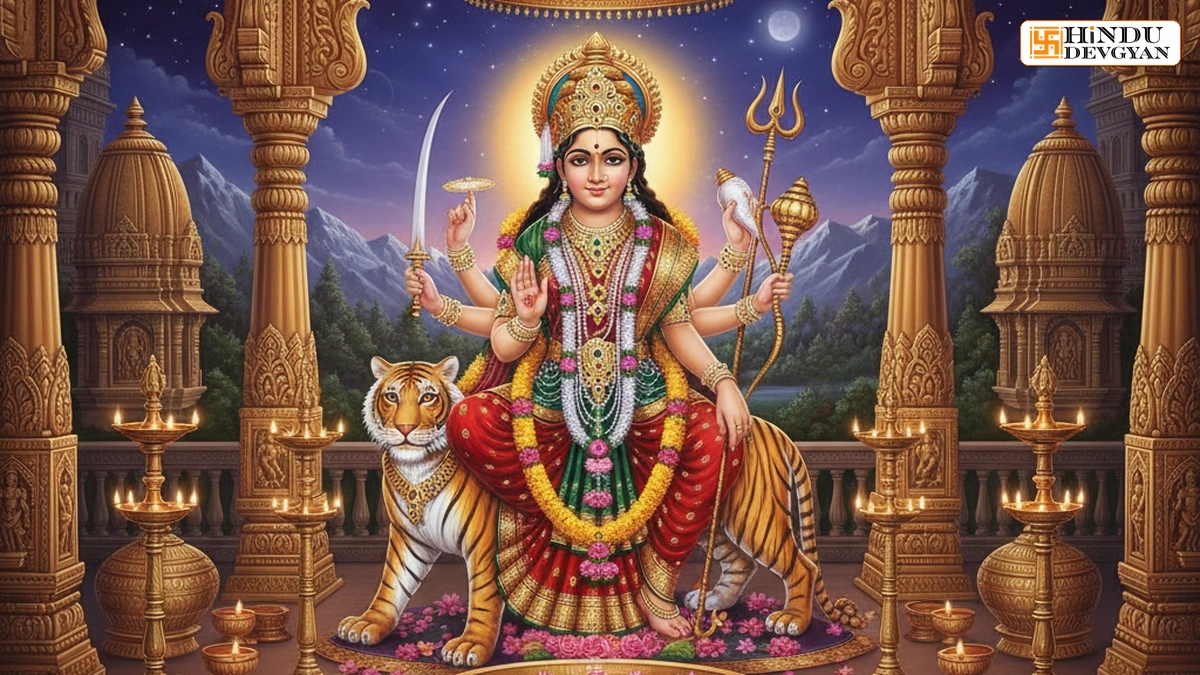
Navratri, literally meaning ‘nine nights,’ is a vibrant celebration of the divine feminine — Maa Durga and her various manifestations. This period marks one of the most powerful junctions for spiritual transformation, coinciding with the critical seasonal shifts known as Ritu Parivartan. Each of the four Navratris celebrated annually (Sharad, Chaitra, Magha, Ashadha) aligns with a specific seasonal turning point, making the body and mind more receptive to spiritual practices.
The emphasis on ‘Nights’ in Navratri is not merely poetic; it’s deeply rooted in Vedic and Tantric traditions. While daily rituals, morning aartis, and daytime pujas are integral, the ‘Ratri’ (night) holds a distinct, profound significance for Shakti worship. Ancient texts emphasize that during the transition from day to night, and particularly during the hours of darkness, the cosmic energies associated with the Goddess are more accessible and potent. This is when the veil between the material and spiritual realms thins, allowing for deeper meditation, introspection, and invocation of divine power. Tantric practices, which are intrinsically linked with Shakti worship, often prescribe specific rituals to be performed during the night to harness these heightened energies.
Transform Your Home’s Energy Today!
Discover the ancient secrets to attracting wealth, health, and harmony. Download our premium 5-chapter Vastu Shastra guide instantly.
The concept extends to the 51 Shakti Peethas, sacred sites where body parts of Sati Devi fell. Each Peetha is a vortex of concentrated divine energy, and worship at these locations, especially during Navratri, is believed to yield immense spiritual benefits. The very act of focused sadhana (spiritual discipline) at night, particularly during these nine nights, is designed to align one’s personal energy (Kundalini) with the cosmic flow, facilitating purification and awakening.
सर्वमङ्गलमाङ्गल्ये शिवे सर्वार्थसाधिके ।
शरण्ये त्र्यम्बके गौरि नारायणि नमोऽस्तु ते ॥📲 Join Our WhatsApp Channel
रोज़ सुबह पाएं — पंचांग, मंत्र, और आध्यात्मिक ज्ञान सीधे WhatsApp पर。
Get daily Panchang, Mantras & Spiritual Wisdom every morning.Sarva Maṅgala Māṅgalye Śive Sarvārtha Sādhike |
Śaraṇye Tryambake Gauri Nārāyaṇi Namo’stu Te ||Word-by-Word Meaning:
Sarva Maṅgala Māṅgalye: O You who are the auspiciousness of all auspicious things,
Śive: O Auspicious One,
Sarvārtha Sādhike: O You who accomplish all objectives,
Śaraṇye: O Giver of refuge,
Tryambake: O Three-eyed One,
Gauri: O Gauri (the shining one),
Nārāyaṇi: O Narayani,
Namo’stu Te: Salutations to You.Meaning: Salutations to You, O Narayani, who is the auspiciousness of all that is auspicious, the supremely auspicious one, the accomplisher of all objectives, the refuge, the three-eyed one, Gauri!
Step-by-Step Vidhi, Shubh Muhurat & Planetary Influences
For Sharad Navratri 2027, the auspicious period is expected to commence around Friday, October 15, 2027, and conclude with Vijayadashami on Sunday, October 24, 2027. The precise timings for Ghatasthapana (pot installation) and other rituals are crucial. For accurate, day-specific muhurats, always consult a reliable Panchang.
Here’s a general guide for the upcoming Navratri:
- Ghatasthapana Muhurat (Day 1): This vital ritual typically falls during the first one-third of the Pratipada tithi, avoiding Amavasya and Rahu Kaal. For Sharad Navratri 2027, the most auspicious time for Ghatasthapana will likely be in the morning hours of October 15, 2027.
- Daily Puja: While morning and evening pujas are standard, the significance of sandhya kaal (twilight) and ratri kaal (night time) for specific sadhanas, especially for Goddess Durga, is paramount. Many devotees perform Havan or elaborate japa at night.
- Nav Chandi Path/Durga Saptashati: Reciting these powerful texts is a common practice, ideally done during the daytime or early evening, but their impact intensifies when accompanied by night-time meditation and invocation.
- Planetary Influences: Navratri periods, especially during Ritu Parivartan, are astrologically significant. The gravitational pulls and electromagnetic fields shift, influencing human physiology and psychology. Fasting and spiritual practices during this time are believed to help balance the internal energies, aligning them with cosmic forces. Understanding your Kundli can further personalize your spiritual journey during Navratri.
Important Dos & Don’ts to Avoid Shastric Karma Errors
Observing Navratri with sincerity and adherence to scriptural guidelines amplifies its benefits. Conversely, unintentional errors can dilute the spiritual impact.
Dos:
- Maintain Purity: Observe Brahmacharya (celibacy), physical cleanliness, and mental purity throughout the nine days.
- Sattvic Diet: Consume only Sattvic food (fruits, dairy, specific grains), abstaining from non-vegetarian food, alcohol, and tobacco.
- Fasting with Awareness: Fasting purifies the body and mind. Choose a method (nirjala, phalahar, ekbhukt) that suits your health, but always with devotion.
- Chant Mantras: Regular chanting of Devi mantras (e.g., ‘Om Aim Hrim Klim Chamundaye Vichche’) purifies the aura.
- Deep Meditation: Utilize the heightened energies of the ‘nights’ for meditation and introspection.
- Seek Blessings: Visit Devi temples and offer prayers. Consider aligning your spiritual space using principles of Vastu.
Don’ts:
- The 1 Crucial Mistake: Neglecting the Inner Transformation. Many focus solely on external rituals (fasting, puja) without striving for inner purity, self-control, and genuine devotion. Navratri is not just about observing rules; it’s about purifying the mind and heart, shedding negative traits, and inviting divine virtues. Without this internal work, the external rituals lose much of their spiritual potency.
- Consuming Tamasic Food: Avoid onion, garlic, masoor dal, and processed foods.
- Lying, Gossiping, Negativity: Refrain from any form of negative speech or thought that pollutes the mind.
- Sleeping During Puja Time: Stay awake and alert during the prescribed puja times, especially during night vigils if observing them.
- Wearing Impure Clothes: Always wear freshly washed, clean clothes during puja.
Frequently Asked Questions
- Q1: Why is Navratri called ‘Nine Nights’ if we worship during the day too?
- A1: While daily rituals are performed, the ‘nights’ (Ratri) hold profound spiritual significance in Shakti worship. Ancient scriptures emphasize that cosmic energies are more potent during twilight and darkness, making it ideal for intense sadhana, meditation, and invoking the Goddess. The term ‘Navratri’ itself underscores this heightened nocturnal receptivity.
- Q2: What is the scientific basis for fasting and rituals during Navratri?
- A2: Navratri coincides with Ritu Parivartan (seasonal change), which causes shifts in atmospheric pressure, humidity, and electromagnetic fields. Fasting helps detoxify the body and strengthens the immune system against seasonal ailments. Spiritual practices like meditation and mantra chanting stabilize the mind, reduce stress, and align internal energies with external cosmic shifts, promoting overall well-being. This aligns with ancient Vedic understanding of the human body as a microcosm of the universe.
- Q3: Can pregnant women or individuals with health conditions observe Navratri fasts?
- A3: While fasting is highly recommended, health comes first. Pregnant women, individuals with chronic illnesses (like diabetes or heart conditions), or those on medication should consult their doctor before undertaking any strict fast. They can still observe Navratri by following a sattvic diet, performing daily pujas, chanting mantras, and engaging in light spiritual practices suitable for their health condition. The devotion and intention are paramount.
🔮 Curious About Your Birth Chart?
Discover your exact career path, marriage compatibility, and planetary dashas based on your exact birth time.
⭐ Recommended for You
Contains affiliate links. We earn a small commission at no extra cost to you.
Complete brass thali with diya, incense holder, bell and more for daily puja.