हिंदी सारांश:
- खरमास का समय: 16 दिसंबर 2026 से 14 जनवरी 2027 तक चलेगा, जब सूर्य धनु राशि में प्रवेश करेगा।
- मांगलिक कार्यों पर रोक: इस अवधि में विवाह, गृह प्रवेश, मुंडन जैसे शुभ कार्य वर्जित होते हैं, क्योंकि इन कार्यों के फल में कमी आ सकती है।
- क्या करें: खरमास आत्म-चिंतन, दान-पुण्य, तीर्थ यात्रा, और मंत्र जाप के लिए अत्यंत शुभ माना जाता है, जिससे आध्यात्मिक उन्नति होती है।
Greetings, seekers of cosmic wisdom and spiritual travelers! As an Elite Hindu Religious Scholar, a seasoned Spiritual Travel Journalist, and your trusted Google Discover SEO Editor-in-Chief, I find immense joy in demystifying the profound intricacies of Sanatana Dharma. Today, we embark on a journey to understand a period that often sparks curiosity, sometimes trepidation, and always a deep sense of tradition: Kharmas.
With upon us, our gaze turns towards the upcoming celestial event that heralds the arrival of Kharmas. Starting on December 16, 2026, and concluding on January 14, 2027, this period is often misunderstood. Is it truly ‘inauspicious’? Or does it hold a deeper, more profound significance for our spiritual growth? Let us delve into the sacred scriptures and astrological truths to unravel the mystique.
Significance & Vedic Shastric Context
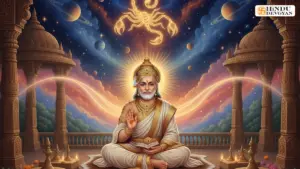
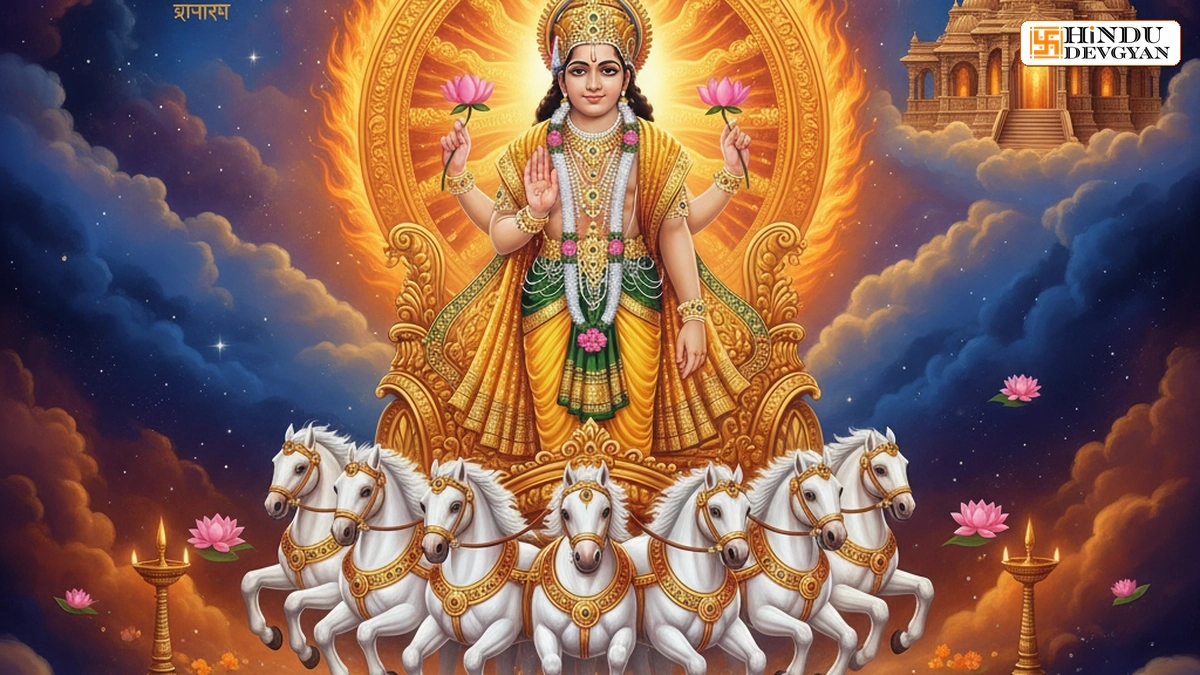
Kharmas, also known as Malmas or Dhanu Sankranti, marks the time when the Sun (Surya Dev) transits into the zodiac sign of Sagittarius (Dhanu Rashi). Astrologically, the Sun is considered the king of planets, representing vitality, authority, and the soul. Sagittarius, ruled by Jupiter (Brihaspati), the Guru of the Devas, is a fiery sign associated with knowledge, spirituality, and higher learning. When the mighty Sun enters Jupiter’s domain, a unique energy dynamic unfolds.
Transform Your Home’s Energy Today!
Discover the ancient secrets to attracting wealth, health, and harmony. Download our premium 5-chapter Vastu Shastra guide instantly.
In Vedic astrology, this specific transit is believed to temporarily weaken the auspiciousness of the Sun in relation to certain material endeavors. While the Sun is generally strong in fiery signs, its journey through Sagittarius is said to be ‘khar’ (sharp/fierce) or ‘mal’ (impure/weak) for initiating new, permanent material ventures that require long-term stability and prosperity. It’s not that the period is inherently ‘bad’ or ‘unlucky’; rather, the cosmic energies are less conducive for worldly beginnings and more attuned to introspection and spiritual cleansing. Think of it as a cosmic pause, a time for recalibration rather than aggressive expansion.
आहारनिद्राभयमैथुनं च सामान्यमेतत् पशुभिर्नराणाम्।
धर्मो हि तेषामधिको विशेषो धर्मेण हीनाः पशुभिः समानाः।।(Āhāranidrābhayamaithunaṁ ca sāmānyametāt paśubhirnarāṇām.
Dharmo hi teṣāmadhiko viśeṣo dharmeṇa hīnāḥ paśubhiḥ samānāḥ.)📲 Join Our WhatsApp Channel
रोज़ सुबह पाएं — पंचांग, मंत्र, और आध्यात्मिक ज्ञान सीधे WhatsApp पर。
Get daily Panchang, Mantras & Spiritual Wisdom every morning.Meaning: Eating, sleeping, fearing, and procreating – these are common to humans and animals. Dharma (righteous conduct) is their special distinction. Devoid of Dharma, they are akin to animals.
This ancient wisdom, though not directly about Kharmas, beautifully encapsulates the spirit of this period. It reminds us to elevate beyond mere material pursuits and focus on our higher purpose and spiritual growth, which Kharmas inherently encourages.
Step-by-Step Vidhi, Shubh Muhurat & Planetary Influences
Kharmas for 2026 commences precisely when the Sun enters Sagittarius, on December 16, 2026, at approximately 09:41 AM (IST), and concludes with Makar Sankranti, when the Sun moves into Capricorn, on January 14, 2027, at around 02:45 PM (IST). Throughout this month-long period, the celestial energies encourage a shift from outward-facing activities to inner work.
The core planetary influence here is the transit of Surya (Sun) into Dhanu Rashi (Sagittarius), ruled by Guru (Jupiter). While both are benefics, their interaction in this specific configuration, according to ancient texts, creates a period less ideal for initiating *new* and *significant* materialistic endeavors. This is why our Panchang traditions mark this as a time to defer auspicious ceremonies requiring long-term stability.
Why are certain auspicious events avoided?
- Vivah (Marriages): The union of two souls seeks eternal blessings and prosperity. During Kharmas, the foundational strength and longevity of such unions are believed to be compromised, making it less ideal for a new beginning.
- Griha Pravesh (Housewarming): Entering a new home signifies settling down and seeking lasting peace and abundance. Initiating this during Kharmas is thought to potentially lead to instability or difficulties.
- New Business Ventures/Inaugurations: Launching a new enterprise requires robust energies for growth and success. Kharmas is not considered conducive for such impactful beginnings.
- Mundan (First Haircut) / Karnavedh (Ear Piercing): These rites of passage for children are significant for their well-being and growth, and are traditionally avoided.
Instead of focusing on what *not* to do, understand that Kharmas is a period ripe for spiritual endeavors. This is the optimal time for:
- Spiritual Practices: Deepen your meditation, yoga, and mantra chanting. The energy is highly supportive of inner exploration.
- Charity (Daan): Offering food, clothes, or financial aid to the needy brings immense merit. Especially feeding cows and Brahmins.
- Pilgrimage (Teerth Yatra): Visiting holy sites and taking dips in sacred rivers like the Ganga is highly meritorious.
- Ancestral Rites: Performing Shraddh for ancestors is considered beneficial during this time.
- Self-Study & Introspection: Utilize this time for learning, reading spiritual texts (perhaps delve into Bhagavad Gita’s wisdom), and self-reflection.
Important Dos & Don’ts to Avoid Shastric Karma Errors
To navigate Kharmas with grace and wisdom, adhering to certain guidelines ensures you honor the cosmic energies and accrue positive karma:
The Dos (What to Embrace):
- Perform Daily Puja & Aradhana: Maintain your regular spiritual routine with utmost devotion.
- Chant Mantras: Especially Gayatri Mantra, Vishnu Sahasranama, or Surya Mantras to strengthen the Sun’s benevolent energies.
- Offer Water to Surya Dev: Early morning offerings to the Sun are highly recommended.
- Visit Temples: Seek blessings from deities, particularly Lord Vishnu, Shiva, and Surya.
- Engage in Seva (Selfless Service): Help those in need, contribute to community welfare.
- Study Scriptures: Devote time to reading Puranas, Upanishads, or other spiritual texts.
- Plan Future Events: While initiating is paused, planning and preparing for post-Kharmas auspicious events is encouraged. Consult your Kundli to align with your personal astrological cycles.
The Don’ts (What to Avoid):
- Do Not Perform Marriage Ceremonies: All forms of Vivah (marriage) are strictly avoided.
- Do Not Conduct Griha Pravesh: Housewarming ceremonies should be postponed.
- Do Not Inaugurate New Businesses or Projects: Avoid launching significant new ventures that require long-term stability.
- Do Not Perform Mundan (First Haircut) or Karnavedh (Ear Piercing): These samskaras are traditionally paused.
- Do Not Purchase New Vehicles or Property (for immediate use): If it’s for investment and no immediate use, it might be permissible, but for starting new journeys or residences, it’s best to wait.
- Do Not Engage in Excessive Materialistic Pursuits: Shift focus from acquisition to introspection.
By understanding and respecting these guidelines, we align ourselves with the cosmic rhythm, ensuring that our actions are in harmony with the divine plan. Kharmas is not a period of doom, but an invitation for spiritual rejuvenation, allowing us to emerge stronger, wiser, and more aligned with our Dharma.
Frequently Asked Questions
- Q1: Is Kharmas truly ‘inauspicious’ or just a period of caution?
- A1: Kharmas is not inherently ‘inauspicious’ in a negative sense. It is a period of cosmic energies less conducive for initiating significant material new beginnings that require long-term stability. It’s more a time for caution and spiritual introspection rather than worldly pursuits, as blessings for such ventures might be diluted.
- Q2: Can I travel during Kharmas?
- A2: Regular travel is generally permissible. In fact, pilgrimage (Teerth Yatra) to holy places is highly recommended and considered very auspicious during Kharmas, as it aligns with the introspective and spiritual energies of the period.
- Q3: What if I have an urgent, unavoidable auspicious event planned during Kharmas?
- A3: While traditional texts advise against it, in rare, unavoidable circumstances, consulting a learned astrologer or purohit for specific remedies or alternative solutions is recommended. However, it’s generally best to reschedule such events if possible to ensure maximal positive outcomes.
🔮 Curious About Your Birth Chart?
Discover your exact career path, marriage compatibility, and planetary dashas based on your exact birth time.
⭐ Recommended for You
Contains affiliate links. We earn a small commission at no extra cost to you.
Auspicious copper vessel for Puja, Kalash Sthapana and daily water offerings.