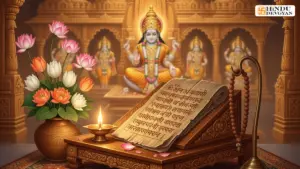
इहैव तैर्जितः सर्गो येषां साम्ये स्थितं मनः। निर्दोषं हि समं ब्रह्म तस्माद् ब्रह्मणि ते स्थिताः॥
“Even here on earth, those whose minds are established in equanimity conquer the cycle of birth and death. For God is flawless and perfectly equal; therefore, they are established in God.”
हिंदी सारांश:
यह श्लोक बताता है कि जो मन समता में स्थित होता है, वे इसी जीवन में जन्म और मृत्यु के चक्र को जीत लेते हैं। ईश्वर निष्कलंक और समान हैं, अतः ऐसे लोग ईश्वर में ही स्थित होते हैं, मोक्ष प्राप्त करते हैं। यह गहन ज्ञान हमें आधुनिक जीवन की चुनौतियों में संतुलन खोजने का मार्ग दिखाता है।
In Bhagavad Gita Chapter 5 Verse 19, Lord Krishna imparts a profound truth that transcends time and circumstance, offering a direct path to liberation even while embodied. This verse, often understated amidst the more widely quoted sections, holds the key to conquering life’s greatest struggles by cultivating an unwavering mental equipoise.
The Power of Equanimity (Samya)
Lord Krishna unequivocally states: “इहैव तैर्जितः सर्गो येषां साम्ये स्थितं मनः। निर्दोषं हि समं ब्रह्म तस्माद् ब्रह्मणि ते स्थिताः॥” This translates to: “Even here on earth, those whose minds are established in equanimity conquer the cycle of birth and death. For God is flawless and perfectly equal; therefore, they are established in God.” The essence lies in ‘Samya’ – equanimity. It’s not about indifference, but about maintaining inner balance and clarity regardless of external dualities like success or failure, pleasure or pain. This state of mind allows us to perceive the divine, the Brahman, which is inherently flawless and equal, in all aspects of existence.
Transform Your Home’s Energy Today!
Discover the ancient secrets to attracting wealth, health, and harmony. Download our premium 5-chapter Vastu Shastra guide instantly.
📲 Join Our WhatsApp Channel
रोज़ सुबह पाएं — पंचांग, मंत्र, और आध्यात्मिक ज्ञान सीधे WhatsApp पर।
Get daily Panchang, Mantras & Spiritual Wisdom every morning.
Modern Life and the Equanimous Mind
In our fast-paced, demanding modern world, achieving mental peace often feels like an elusive dream. We are constantly bombarded with stimuli, opinions, and expectations that sway our emotions. The wisdom of the Bhagavad Gita offers a practical antidote. Practicing equanimity means acknowledging circumstances without letting them disturb our core serenity. Whether facing a challenging project at work, personal setbacks, or unexpected joys, the equanimous mind observes, adapts, and acts without attachment to outcomes. This allows for more effective decision-making and significantly reduces stress and anxiety.
Cultivating Inner Balance
How does one cultivate such a state? It begins with self-awareness and conscious detachment from results. Understand that your worth is not defined by external achievements or failures. Engage in your duties (Karma) with full dedication, but offer the fruits of your actions without expectation. This practice, deeply rooted in Karma Yoga, frees the mind from the shackles of desire and aversion. Regular meditation, mindfulness practices, and contemplation of spiritual truths, such as those found on HinduDevGyan, can greatly aid this cultivation.
Conquering the Cycle of Existence
The verse promises that those who achieve this equanimity “conquer the cycle of birth and death” even here on earth. This isn’t just about a post-mortem state; it signifies liberation from the continuous suffering caused by attachment and aversion in this very life. By aligning our consciousness with the flawless and equal nature of the divine, we transcend the illusion of separateness and experience true freedom. This profound insight from the Bhagavad Gita guides us towards a life of purpose, peace, and ultimate spiritual realization, reminding us that liberation is not a distant goal, but a present possibility.
🔮 Curious About Your Birth Chart?
Discover your exact career path, marriage compatibility, and planetary dashas based on your exact birth time.
⭐ Recommended for You
Contains affiliate links. We earn a small commission at no extra cost to you.
The world’s most widely read edition of the Gita with original Sanskrit, transliteration, and commentary.