हिंदी सारांश:
देवशयनी एकादशी 2026 आषाढ़ मास के शुक्ल पक्ष में मनाई जाती है, जो चातुर्मास के पवित्र काल का शुभारंभ करती है। पौराणिक मान्यताओं के अनुसार, इस दिन से भगवान विष्णु चार महीनों के लिए योग निद्रा में चले जाते हैं। परंतु क्या श्री हरि सच में सोते हैं, या इसके पीछे कोई गहरा आध्यात्मिक एवं वैज्ञानिक रहस्य छुपा है? जानिए योग निद्रा और चातुर्मास का वास्तविक महत्व।
Introduction: The Cosmic Mystery of Devshayani Ekadashi 2026
among all the twenty-four Ekadashis in the Vedic calendar, Devshayani Ekadashi holds an irreplaceable spiritual prominence. Falling on the Ekadashi Tithi (11th day) of the bright fortnight (Shukla Paksha) in the month of Ashadha, this sacred day marks the beginning of Chaturmas—the holy four-month monsoon period. According to timeless Hindu traditions, Lord Vishnu enters a state of deep cosmic slumber on this day, waking up only four months later on Dev Uthani Ekadashi.
This popular narrative naturally raises a profound question among seekers and modern minds: Does the Supreme Sustainer of the Universe truly go to sleep? To understand this, we must delve into Vedic scriptures, cosmic symbolism, and sacred wisdom offered at HinduDevGyan.
Does Lord Vishnu Truly Fall Asleep? Decoding ‘Yoga Nidra’
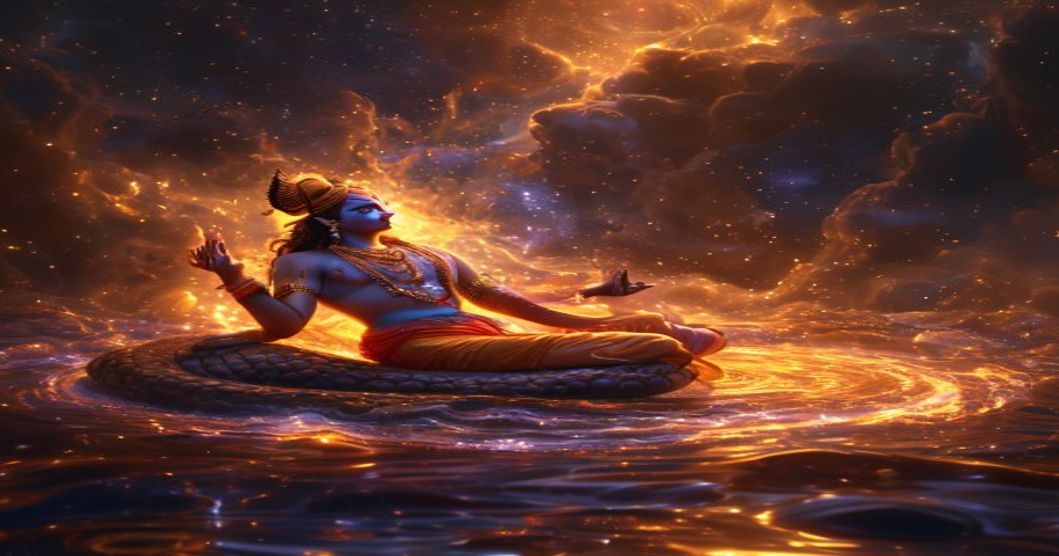
From a profound metaphysical perspective, the Supreme Lord—who is omnipresent, omniscient, and beyond physical fatigue—never sleeps in the mortal sense. What happens on Devshayani Ekadashi is not ordinary sleep, but an entry into Yoga Nidra (conscious divine trance).
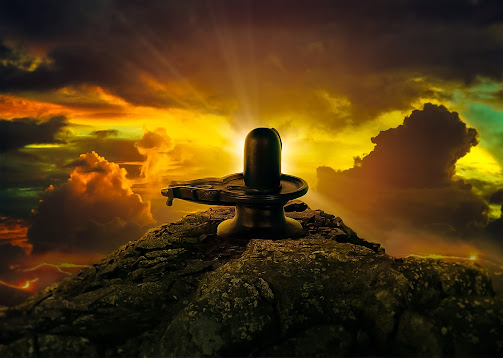
During Yoga Nidra, Lord Vishnu turns His divine consciousness inward, withdrawing external cosmic activity into a deep state of yogic meditation. During these four months, the spiritual responsibility of maintaining order in the universe is entrusted to Lord Shiva. This cosmic shift highlights the eternal unity between Vishnu and Shiva, symbolizing that while the protective aspect of nature rests, the transformative and introspective energy takes over.
The Puranic Origin: King Bali and Lord Vishnu’s Boon
According to the Srimad Bhagavata Purana, the tradition of Lord Vishnu resting stems from the legend of Bhakta Prahlada’s grandson, King Bali. After Lord Vishnu assumed the Vamana Avatar and measured the three worlds in three steps, He was immensely pleased with King Bali’s absolute surrender and humility.
When Lord Vishnu offered King Bali a boon, Bali requested the Lord to reside constantly in his palace in the underworld (Sutala). To honor His devotee’s pure love, Lord Vishnu agreed. However, Goddess Lakshmi wished for the Lord to return to Vaikuntha. Understanding the universe’s order, a divine arrangement was forged: Lord Vishnu stays in Sutala with King Bali during the four months of Chaturmas, symbolizing His divine presence during His “slumber.”
Significance of Chaturmas: Why Auspicious Ceremonies Pause
During Chaturmas, major social ceremonies such as marriages, housewarming rituals (Griha Pravesh), and thread ceremonies (Upanayana) are put on hold. According to astronomical and spiritual principles detailed in the sacred Panchang, this period coincides with major seasonal changes, monsoon humidity, and heightened atmospheric forces.
Key reasons why this period is reserved exclusively for inner sadhana include:
- Internal Purification: Instead of external celebration, Chaturmas calls for self-restraint, fasting, and spiritual detoxification.
- Monsoon Wisdom: In ancient times, travel was hazardous during heavy monsoons, making static spiritual practice (Sadhana) practical and safe.
- Karma and Self-Reflecton: It is the best time to study sacred texts like the Bhagavad Gita to master one’s mind and actions.
Astrological and Cosmic Impact of Devshayani Ekadashi
Cosmically, Devshayani Ekadashi occurs during the sun’s movement through Dakshinayana (the southern celestial movement). This period is considered the “night of the Devas.” Planetary energies during this transition encourage introspection, meditation, and devotional singing (Sankirtan) over worldly pursuits.
Understanding how planetary transits impact your personal spiritual inclination during Chaturmas can be revealed through an analysis of your planetary positions. You can generate your personalized Kundli to align your daily sadhana with cosmic forces.
Sacred Fasting Rules and Daily Rituals
To receive the supreme blessings of Lord Hari on Devshayani Ekadashi 2026, devotees follow these timeless Vedic guidelines:
- Sunrise Bath: Take a holy dip early in the morning and offer Arghya to Lord Surya.
- Worship of Lord Vishnu: Offer Tulsi leaves, yellow flowers, saffron milk, and fruits to the deity.
- Satvik Vrat: Maintain a strict fast, consuming only fruits and water, while abstaining from grains, onion, garlic, and negative speech.
- Chanting Mantras: Recite the powerful “Om Namo Bhagavate Vasudevaya” or Vishnu Sahasranama throughout the day.
Conclusion: Awakening the Light Within
Devshayani Ekadashi is far more than a myth about a sleeping deity; it is a sacred invitation to rest your worldly ambitions and awaken your internal divinity. When Lord Vishnu enters Yoga Nidra, He invites every seeker to turn inward, observe self-discipline, and light the lamp of spiritual knowledge within.