India is a land of timeless spiritual wonders, where every ancient shrine holds secrets that bridge the physical and spiritual realms. Among thousands of sacred destinations cataloged across the subcontinent, there exists a deeply revered temple where devotees do not offer traditional sweetmeats or fruits. Instead, they offer raw Black Pepper (Kali Mirch) to the presiding deity as a holy offering. At HinduDevGyan, we delve deep into this centuries-old custom to unpack the profound spiritual, Ayurvedic, and astrological science behind this extraordinary ritual.
The Mystery Behind the Sacred Black Pepper Offering
In Hindu Agamic traditions, temples are not merely places of worship; they are potent energy centers designed to harmonize human physiology with cosmic vibrations. The tradition of offering black pepper—known in Sanskrit as Maricha—is rooted in the worship of the Divine as the ultimate healer (such as Lord Shiva in His form as Vaidyanatha or Lord Vishnu as Dhanvantari).
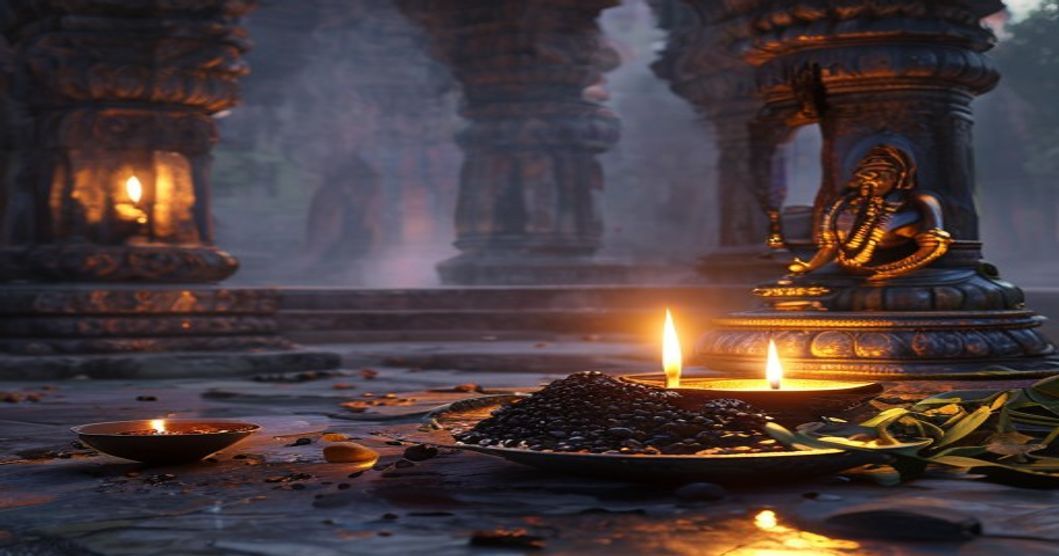
Devotees travel from far and wide to present raw black pepper seeds mixed with seasalt or wrapped in leaves at the deity’s altar. According to ancient temple lore, this simple yet powerful act releases humans from long-standing physical ailments, throat afflictions, respiratory disorders, and unseen subtle energies that cloud mind and body.
Astrological and Ayurvedic Significance of Kali Mirch
In Vedic philosophy, every element in nature corresponds to specific planetary energies and subtle doshas. Black pepper carries intense Agni Tattva (fire element) and Surya Energy (solar vitality). Here is why this offering holds immense power:
- Mitigating Planetary Afflictions: In esoteric astrology, black pepper is used to neutralize the harsh malefic influences of Saturn (Shani), Rahu, and Ketu. Studying your individual Kundli often reveals specific planetary blockages that can be mitigated through such specialized Vedic offerings.
- Cleansing Toxic Energy (Nazar Dosha): Just as pepper purifies respiratory toxins in Ayurveda, its subtle fiery aura is believed to burn away evil eye, negative intentions, and psychic debris.
- Karmic De-conditioning: According to the eternal laws of Karma, physical suffering often stems from past subtle impressions. Surrendering pepper at the Lord’s feet symbolizes burning away hard karmic seeds in the fire of devotion.
Mythological Roots and The Healing Grace of Mahadev
Legend tells of an ancient era when an epidemic plagued a local kingdom. The royal physicians were helpless, and citizens turned to Lord Shiva in deep penance. The Lord appeared in a vision, directing the priests to offer crushed and whole black pepper at the Shiva Lingam and distribute a small portion back to the sick as consecrated Prasad. Miraculously, those who consumed the blessed pepper with deep faith recovered completely.
Since that day, the tradition has remained unbroken. Devotees seeking relief from chronic illness visit this sacred shrine on auspicious days. Consulting an authentic Panchang helps pilgrims align their visit with powerful lunar days like Pradosham or Maha Shivaratri for maximum spiritual benefit.
How Devotees Perform the Ritual
Visiting this shrine requires a pure heart and adherence to traditional guidelines:
- Purity of Mind and Body: Devotees take a sacred bath and wear simple, traditional attire before entering the temple complex.
- The Offering: A measured quantity of clean, whole black pepper seeds is held in the right hand while chanting the deity’s holy name or Maha Mrityunjaya Mantra.
- Circumambulation (Pradakshina): Pilgrims complete odd-numbered rounds around the sanctum sanctorum before placing the pepper at the designated altar.
- Receiving the Blessed Prasad: A small portion of the offered pepper is given back to the devotee to consume daily with sacred water, invoking divine grace for lifelong health and protection.
Conclusion: The Eternal Wisdom of Vedic Traditions
The practice of offering black pepper in Indian temples highlights the seamless integration of spiritual devotion, natural medicine, and cosmic science in ancient Hindu culture. It reminds us that faith is not mere symbolism, but a precise spiritual science capable of restoring harmony to body, mind, and soul.