हिंदी सारांश:
- काशी के पिशाच मोचन कुंड पर अब ‘स्क्रीन वाला तर्पण’ यानी ऑनलाइन श्राद्ध अनुष्ठान पूरी तरह बंद कर दिया गया है।
- यह निर्णय वैदिक परंपराओं की पवित्रता और अनुष्ठानों की भौतिक उपस्थिति के महत्व को बनाए रखने के लिए लिया गया है।
- पितृपक्ष 2026 के शेष दिनों में, विशेषकर सर्व पितृ अमावस्या (29 सितंबर 2026, मंगलवार) पर, पितरों के लिए भौतिक तर्पण और पिंडदान का विशेष महत्व है।
In a world increasingly shaped by digital innovation, where even sacred rituals have found their way onto screens, a significant and profound verdict has emerged from the spiritual heartland of India – Kashi. As the revered HinduDevGyan portal, we bring you an exclusive insight into a decision that reaffirms the timeless essence of Vedic traditions, particularly concerning ancestral rites during the ongoing Pitru Paksha 2026.
Significance & Vedic Shastric Context
Pitru Paksha, a sacred fortnight observed from Bhadrapada Purnima to Sarva Pitru Amavasya, is dedicated to honoring and offering respects to our ancestors. It is a period when the veil between our world and the ancestral realm thins, allowing us to express gratitude and seek blessings from our forefathers (Pitru Devatas). The rituals of Shraddh and Tarpana performed during this time are not mere symbolic gestures; they are profound acts of spiritual communion, believed to liberate ancestors from various karmic bonds and grant them peace.
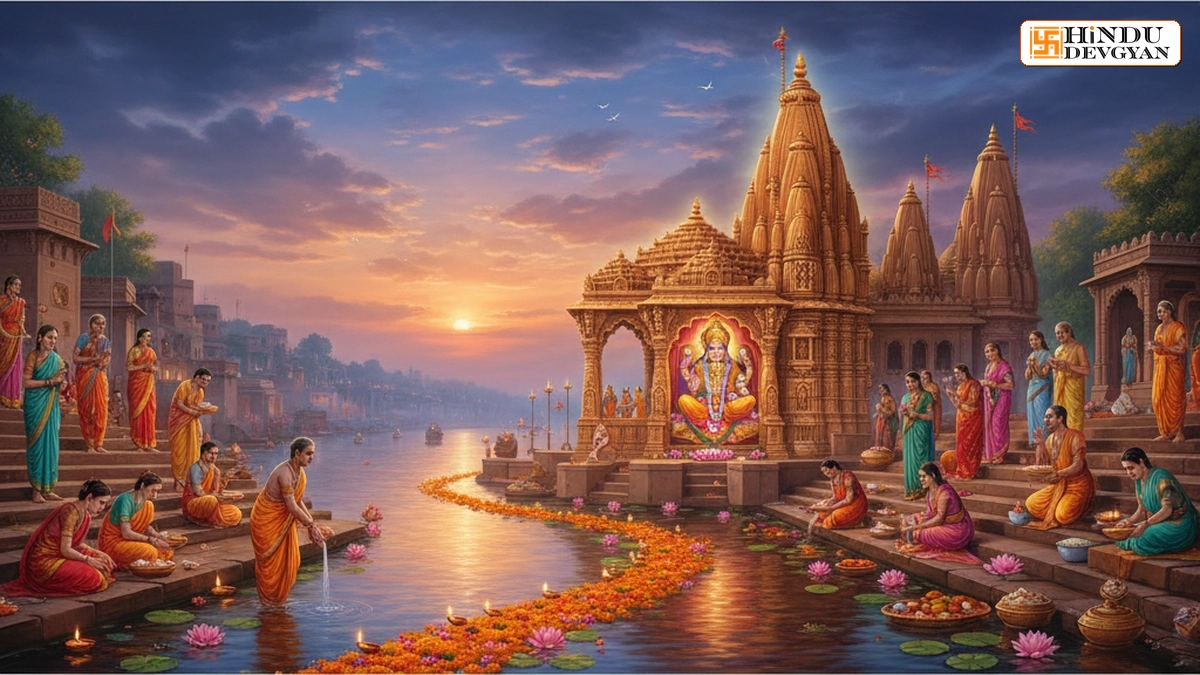
Kashi, or Varanasi, stands as one of the most potent spiritual centers for performing ancestral rites. Among its myriad sacred spots, the Pishach Mochan Kund holds unique significance. It is specifically consecrated for liberating ancestors afflicted by unfortunate circumstances or karmic burdens, ensuring their onward journey towards higher realms. The very essence of these rituals at such holy sites lies in the physical presence of the devotee, the direct offering of sacred substances (water, sesame, barley, rice Pindas), and the tangible connection to the consecrated ground. The recent decision to halt ‘screen-based Tarpana’ or online Shraddh at Pishach Mochan Kund underscores this fundamental Vedic principle: the spiritual efficacy of a ritual is intrinsically linked to its physical performance, particularly at a specific, sanctified location (Kshetra) and under the guidance of qualified priests.
Transform Your Home’s Energy Today!
Discover the ancient secrets to attracting wealth, health, and harmony. Download our premium 5-chapter Vastu Shastra guide instantly.
While technology offers convenience, the spiritual masters of Kashi have wisely recognized that certain sacred acts, deeply rooted in the elemental exchange and vibrational sanctity of a physical space, cannot be fully replicated or receive their complete fruit through a virtual medium. This is not a rejection of modernity, but a preservation of purity and the true spirit of devotion that demands physical participation.
श्राद्धं कुर्वतः सम्यक् श्रद्धावान् पितृपूजनम्।
पितरस्तस्य तुष्यन्ति प्रयच्छन्ति मनोरथान्॥Transliteration: Shrāddhaṃ kurvataḥ samyak shraddhāvān pitṛpūjanam.
Pitarastasyatuṣyanti prayacchanti manorathān.Meaning: One who performs Shraddh properly with unwavering faith, honoring his ancestors; his ancestors are pleased and fulfill his desires.
📲 Join Our WhatsApp Channel
रोज़ सुबह पाएं — पंचांग, मंत्र, और आध्यात्मिक ज्ञान सीधे WhatsApp पर。
Get daily Panchang, Mantras & Spiritual Wisdom every morning.
Step-by-Step Vidhi, Shubh Muhurat & Planetary Influences
As of Monday, 28 September 2026, Pitru Paksha is in its crucial final days, culminating in the supremely significant Sarva Pitru Amavasya tomorrow, Tuesday, 29 September 2026. This period, when the Sun traverses through Kanya (Virgo) Rashi, is astrologically significant for ancestral veneration, symbolizing the sun’s journey through the house of service and lineage.
The traditional Shraddh and Tarpana rituals involve:
- Sankalpa (Intention): Clearly stating your purpose, ancestral lineage, and the specific Shraddh tithi.
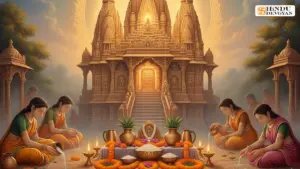
- Tarpana (Water Offering): Offering water mixed with black sesame seeds (til) to the Pitrus, symbolizing satisfaction and liberation. This is traditionally done facing south.
- Pinda Daan (Rice Ball Offering): Preparing Pindas (rice balls) with cooked rice, black sesame, ghee, honey, and barley flour, offered on Darbha grass. These Pindas represent the physical bodies of the ancestors and are offered with specific mantras.
- Brahmin Bhojan (Feeding Priests): Offering food to Brahmins, who are considered representatives of the ancestors, seeking their blessings.
- Cow, Dog, Crow Feeding: Offering food to these animals, believed to carry offerings to different realms.
- Donations: Making charitable donations in the name of ancestors.
The core reason for discontinuing online Shraddh, especially at sacred spots like Pishach Mochan Kund, is the profound belief that these rituals require a direct physical connection. The energy of the holy water, the touch of the hand offering the Pinda, the vibrations of mantras resonating in the sacred space, and the presence of a qualified priest performing the rites with full Vedic integrity – these elements are considered indispensable for the ritual to yield its complete spiritual benefits. A digital representation, while well-intentioned, lacks this essential physical and energetic efficacy. For precise Panchang and Muhurat details for tomorrow’s Sarva Pitru Amavasya, consult our comprehensive guide.
Important Dos & Don’ts to Avoid Shastric Karma Errors
Observing Pitru Paksha requires discipline and adherence to specific guidelines to ensure the rituals are performed correctly and yield maximum blessings.
DOs:
- Perform Shraddh: If possible, perform Shraddh on the specific tithi of your deceased ancestors or on Sarva Pitru Amavasya (Tuesday, 29 September 2026).
- Maintain Purity: Observe strict celibacy, eat sattvic food (avoiding onion, garlic, non-vegetarian items), and keep your surroundings clean.
- Offerings: Use black sesame seeds (til), Ganga Jal (if available), barley, rice, and fresh flowers in your offerings.
- Respect Priests: Treat Brahmins with utmost respect during Bhojan and Dakshina.
- Seek Blessings: Pray sincerely for the peace and liberation of your ancestors.
DON’Ts:
- Avoid Auspicious Events: Do not initiate new auspicious endeavors like weddings, housewarmings, or new business ventures during Pitru Paksha.
- No Hair/Nail Cutting: Traditionally, devotees avoid cutting hair or nails during this period.
- Avoid Non-Sattvic Food: Strictly abstain from meat, alcohol, and intoxicating substances.
- No Virtual Substitutes for Core Rituals: As declared by Kashi, do not rely on purely virtual ‘screen-based’ rituals for the core Pinda Daan and Tarpana, especially when seeking their full Vedic efficacy at sacred Kshetras. While online classes or guidance are helpful, the act itself requires physical presence.
- Do Not Dismiss the Period: Do not treat Pitru Paksha lightly. It is a period of deep reverence and spiritual duty towards our lineage.
Understanding your free Kundli can also provide insights into specific planetary placements that may impact ancestral blessings, allowing for targeted remedies.
Frequently Asked Questions
Q1: Why has Kashi stopped online Shraddh at Pishach Mochan Kund?
**A1:** The decision stems from the profound Vedic belief that the spiritual efficacy of ancestral rites, particularly Pinda Daan and Tarpana, is deeply tied to the physical presence of the devotee, the direct offering of sacred substances into holy water, and the energy of the consecrated Kshetra (sacred site). Virtual rituals, while convenient, are deemed insufficient to convey the full spiritual benefits and uphold the integrity of these ancient traditions.
Q2: If I cannot visit Kashi, can I still perform Shraddh for my ancestors effectively?
**A2:** Absolutely. While performing Shraddh at specific pilgrimage sites like Kashi is highly meritorious, sincere Shraddh performed at home, by a riverbank, or any sacred spot with full devotion and adherence to Vedic guidelines, under the guidance of a knowledgeable priest, is equally potent. The intention (Sankalpa) and faith (Shraddha) are paramount.
Q3: What is the most important day during Pitru Paksha 2026, especially for those who missed specific tithis?
**A3:** Sarva Pitru Amavasya, falling on Tuesday, 29 September 2026, is considered the most significant day. It is the universal day when Shraddh can be performed for any deceased ancestor, regardless of their specific tithi, making it an opportunity to offer respects to all forefathers. It’s often referred to as Mahalaya Amavasya.
🔮 Curious About Your Birth Chart?
Discover your exact career path, marriage compatibility, and planetary dashas based on your exact birth time.
⭐ Recommended for You
Contains affiliate links. We earn a small commission at no extra cost to you.
Auspicious copper vessel for Puja, Kalash Sthapana and daily water offerings.