हिंदी सारांश:
- आज (गुरुवार, 08 अक्टूबर 2026) कृष्ण पक्ष त्रयोदशी तिथि है, जो पितरों के श्राद्ध कर्म के लिए अत्यंत महत्वपूर्ण है।
- श्राद्ध कर्म के लिए शुभ मुहूर्त, विशेषकर कुतुप और अपराह्न काल, को समझें और पितृदोष से मुक्ति पाएं।
- श्राद्ध विधि में की जाने वाली एक प्रमुख गलती से बचें और सही अनुष्ठान से पितरों का आशीर्वाद प्राप्त करें।
Namaste, spiritual seekers and custodians of ancient wisdom! Today, on Thursday, October 8th, 2026, as the cosmic dance unfolds, we find ourselves in the profound embrace of Krishna Paksha Trayodashi Tithi. While yesterday’s discussions might have revolved around Dwadashi and the specific Magha Nakshatra Shraddha, today calls for our devoted attention to the significance of Trayodashi for ancestral rites, a cornerstone of Vedic Dharma.
For centuries, the honoring of ancestors (Pitrus) has been a sacred duty, a karmic thread binding generations. It’s not merely a ritual; it’s an act of profound gratitude, a spiritual clearing, and a heartfelt prayer for peace for those who paved our path. Let’s delve into the divine timings and sacred protocols for this significant day.
Significance & Vedic Shastric Context
Trayodashi Tithi, particularly during the revered Pitru Paksha, holds immense spiritual weight. It is believed that performing Shraddha on this day helps liberate the souls of ancestors who may have passed away on a Trayodashi, or for those whose Tithi of demise is unknown but seek liberation. The Vedic scriptures emphasize the concept of ‘Pitru Rin’ — the ancestral debt we carry. Through Shraddha, we fulfill this obligation, inviting blessings of health, prosperity, and peace into our lives, and mitigating any potential Pitru Dosha.
Transform Your Home’s Energy Today!
Discover the ancient secrets to attracting wealth, health, and harmony. Download our premium 5-chapter Vastu Shastra guide instantly.
The act of Shraddha is a powerful channel connecting the living with the departed. It’s an expression of unconditional love, a remembrance that transcends the physical realm. When performed with sincerity and adherence to scriptural guidelines, it ensures the spiritual ascent of the Pitrus and bestows profound peace upon the performer.
ॐ पितृभ्य: स्वधायिभ्यः स्वधा नमः।
पितामहेभ्य: स्वधायिभ्यः स्वधा नमः।
प्रपितामहेभ्य: स्वधायिभ्यः स्वधा नमः।Om Pitrbhyah Svadhayibhyah Svadhā Namah.
Pitamahebhyah Svadhayibhyah Svadhā Namah.
Prapitamahebhyah Svadhayibhyah Svadhā Namah.Meaning: Salutations to the Pitrus who consume ‘Swadha’ (ancestral offerings). Salutations to the grandfathers who consume ‘Swadha’. Salutations to the great-grandfathers who consume ‘Swadha’.
Step-by-Step Vidhi, Shubh Muhurat & Planetary Influences
Performing Shraddha requires precision and devotion. Here’s a guide for Trayodashi Shraddha today, October 8th, 2026:
📲 Join Our WhatsApp Channel
रोज़ सुबह पाएं — पंचांग, मंत्र, और आध्यात्मिक ज्ञान सीधे WhatsApp पर。
Get daily Panchang, Mantras & Spiritual Wisdom every morning.
Panchang for Thursday, October 8th, 2026 (Approximate timings, city-dependent):
- Tithi: Krishna Paksha Trayodashi (ends approximately 10:30 PM)
- Nakshatra: Purva Phalguni (ends approximately 11:45 PM)
- Yoga: Variyan (ends approximately 08:30 AM), then Parigha Yoga
- Karana: Taitila (ends approximately 11:00 AM), then Garija Karana
- Sunrise: ~6:15 AM | Sunset: ~5:55 PM
- Rahu Kaal: ~01:30 PM to 03:00 PM (Strictly avoid all auspicious activities, especially Shraddha)
- Abhijit Muhurat: ~11:45 AM to 12:30 PM (While generally auspicious, specific Muhurats are prescribed for Shraddha, as detailed below.)
Auspicious Muhurats for Trayodashi Shraddha:
Unlike other auspicious deeds where Abhijit Muhurat is preferred, Shraddha has its own designated timings:
- Kutup Muhurat: ~11:40 AM to 12:30 PM
- Rohina Muhurat: ~12:30 PM to 01:20 PM
- Aparahna Kaal (Afternoon): ~01:20 PM to 03:45 PM (Considered most significant for Shraddha)
It is best to perform Shraddha during Kutup, Rohina, or Aparahna Kaal, avoiding Rahu Kaal entirely.
Step-by-Step Vidhi:
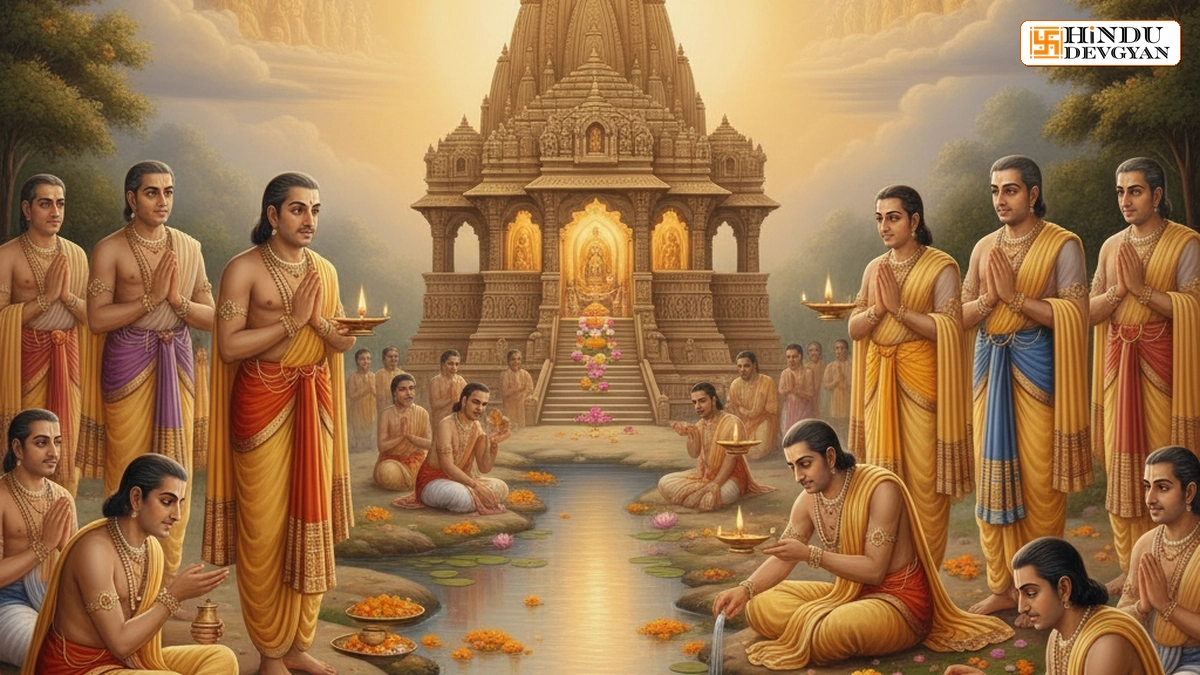
- Purity: Bathe and wear clean, preferably white clothes. The performer and the Brahmin conducting the rites must be pure in body and mind.
- Preparation: Arrange all necessary items: Til (sesame seeds), Kusha grass, Ganga Jal (holy water), flowers, milk, rice, and specific Sattvic food for offering.
- Sankalpa: Take a vow (Sankalpa) with the help of a qualified priest, stating your intention to perform Shraddha for specific ancestors.
- Tarpan: Offer water mixed with black sesame seeds (Til) to the Pitrus, invoking their names.
- Pind Daan: Prepare rice balls (Pinda) mixed with barley flour, milk, honey, and ghee, offering them to the ancestors.
- Brahmin Bhojan: Offer food to qualified Brahmins, treating them as representatives of your ancestors. Offer clothes and Dakshina (donations).
- Offerings to Animals: Traditionally, a portion of the food is offered to cows, crows, and dogs.
- Prayer & Forgiveness: Conclude with prayers for the peace of the ancestors and seek forgiveness for any known or unknown transgressions.
Planetary Influences:
Today’s Nakshatra, Purva Phalguni, is associated with comfort and marital bliss, but its presiding deity is Bhaga, a form of Surya (Sun). While not directly a Shraddha Nakshatra, its influence can bring a sense of fulfillment and blessings to those performing rites with devotion. The overall energy encourages a balance between worldly duties and spiritual obligations.
Important Dos & Don’ts to Avoid Shastric Karma Errors
The efficacy of Shraddha largely depends on adherence to its sacred protocols. A single misstep can negate the benefits, or worse, create karmic imbalances.
The 1 Crucial Mistake to Avoid:
The most crucial mistake is performing Shraddha with a distracted mind, without full faith, or focusing solely on external rituals while lacking inner devotion. The true essence lies in the sincere intention to honor and serve your ancestors. Remember, Shraddha is a deeply personal and spiritual act; its power comes from your heart, not just the mechanical performance of rites.
Dos:
- Perform Shraddha within the prescribed Shubh Muhurat.
- Maintain utmost physical and mental purity throughout the rites.
- Wear clean, light-colored clothes (preferably white).
- Invite learned and virtuous Brahmins.
- Offer Sattvic food, prepared with love and hygiene, without onion or garlic.
- Involve the eldest son or closest male relative as the primary performer.
- Perform with complete faith and devotion.
- Consult a knowledgeable priest for guidance.
Don’ts:
- Do NOT perform Shraddha during Rahu Kaal or during the night.
- Avoid using iron utensils during the Shraddha ceremony.
- Do not consume food before offering it to Brahmins and ancestors.
- Do not use impure or stale ingredients for the offerings.
- Avoid discussing worldly or negative matters during the rites.
- Do not invite unqualified or disrespected individuals to partake as Brahmin representatives.
- Strictly avoid any non-vegetarian food or alcohol on this day.
- Do not cut hair or nails on the day of Shraddha.
By observing these guidelines, you not only fulfill your ancestral duties but also purify your own karma, ensuring peace and prosperity for your lineage. For a deeper understanding of karmic principles, explore the timeless wisdom of the Bhagavad Gita, which illuminates the path of duty and righteousness, forming the very foundation of Hindu Dharma. Visit HinduDevGyan for more such insights.
Frequently Asked Questions
Q1: What is the primary purpose of Trayodashi Shraddha?
A1: Trayodashi Shraddha is primarily performed to honor ancestors who passed away on this specific Tithi, or as a general day during Pitru Paksha to pay respects to all ancestors, ensuring their spiritual liberation and blessings for the family.
Q2: Can women perform Shraddha?
A2: Traditionally, Shraddha is performed by the eldest male member of the family. However, in the absence of a male member, or in specific circumstances, women can perform some aspects of Shraddha, particularly Tarpan, under the guidance of a knowledgeable priest.
Q3: Why is Abhijit Muhurat not ideal for Shraddha, despite being generally auspicious?
A3: While Abhijit Muhurat is universally auspicious for most new beginnings, Vedic scriptures specify particular Muhurats like Kutup, Rohina, and Aparahna Kaal as most potent for ancestral rites (Shraddha). These specific timings are aligned with the subtle energies best suited for connecting with the Pitru Loka, making them more effective for Shraddha than the general Abhijit Muhurat.
🔮 Curious About Your Birth Chart?
Discover your exact career path, marriage compatibility, and planetary dashas based on your exact birth time.
⭐ Recommended for You
Contains affiliate links. We earn a small commission at no extra cost to you.
Complete brass thali with diya, incense holder, bell and more for daily puja.