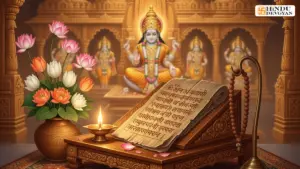

अनुद्वेगकरं वाक्यं सत्यं प्रियहितं च यत् ।
स्वाध्यायाभ्यसनं चैव वाङ्मयं तप उच्यते ॥
“Speech which is non-offending, truthful, pleasing, beneficial, and also regular recitation of Vedic literature—this is declared as the austerity of speech.”
The Sacred Art of Mindful Communication
In an era dominated by instant messaging, polarizing social media debates, and constant noise, our words have become rapid, reactive, and often destructive. Bhagavad Gita Chapter 17, Verse 15 introduces a revolutionary concept known as Vangmaya Tapas—the austerity of speech. Sri Krishna explains that our voice is not merely a tool for casual expression, but a sacred instrument capable of shaping our external reality and our inner peace. By mastering how we speak, we master our mind and destiny.
The Four Gatekeepers of Conscious Speech
Krishna outlines four distinct criteria that our words must satisfy before we speak. First, our speech must be anudvega-karam—meaning it should not cause agitation, fear, or pain to others. Second, it must be satyam—uncompromisingly truthful. Third, it must be priyam—spoken pleasantly, gently, and with genuine kindness. Finally, it must be hitam—beneficial and purposeful. In Vedic philosophy, speech is considered a direct projection of our vital life force, or prana. When we speak carelessly or hurtfully, we leak this precious spiritual energy, leading to mental exhaustion and fractured relationships.
Applying Vangmaya Tapas in the Digital Age
Applying this ancient wisdom today serves as a powerful antidote to modern anxiety and interpersonal conflict. Before typing a heated comment, sending a reactive email, or engaging in workplace gossip, we can pass our thoughts through these four Vedic gatekeepers. Ask yourself: Is it peaceful? Is it true? Is it kind? Is it necessary? If a statement is true but causes unnecessary harm, or if it is pleasing but false, the Gita advises noble silence. This conscious pause transforms our daily conversations into a meditative practice, fostering deep connections and protecting our mental sanctuary.
The Power of Uplifting Self-Study
The verse concludes by emphasizing svādhyāya—the regular self-study of uplifting literature and sacred texts. By consciously choosing to feed our minds with timeless wisdom rather than sensationalized digital media, our internal vocabulary changes, and our external speech naturally aligns with truth and harmony. Ultimately, practicing this Vedic discipline is not about suppressing our voice; it is about elevating our words to heal, inspire, and bring light into a chaotic world.