हिंदी सारांश:
- आगामी नवरात्रि 2026 मंगलवार, 20 अक्टूबर से शुरू हो रही है। अपनी भक्ति और आधुनिक जीवन के बीच संतुलन स्थापित करें, आध्यात्मिक इरादों को समझें।
- घटस्थापना (20 अक्टूबर, 2026) के शुभ मुहूर्त सच्चे आशीर्वाद प्राप्त करने के लिए महत्वपूर्ण हैं। अपने पंचांग के लिए यहां क्लिक करें।
- एक मुख्य आध्यात्मिक गलती से बचें: देवी माँ की उपस्थिति को भूलना और सांसारिक इच्छाओं को अपने आध्यात्मिक उद्देश्य पर हावी होने देना।
As the crisp autumn air begins to hum with an unparalleled spiritual energy, our hearts turn towards one of Hinduism’s most vibrant and profound festivals: Navratri. For nine sacred nights and ten days, we invoke the Divine Mother, Maa Durga, in her myriad forms. But in our modern world, a fascinating question arises: how do we gracefully balance the profound spirituality of morning pujas with the joyous communal exuberance of evening Garba, or even the intimate moments of dating? As elite scholars and spiritual guides, we delve deep into this query for the upcoming Sharad Navratri 2026, offering clarity on what is spiritually ‘right’ and ‘wrong’.
Significance & Vedic Shastric Context
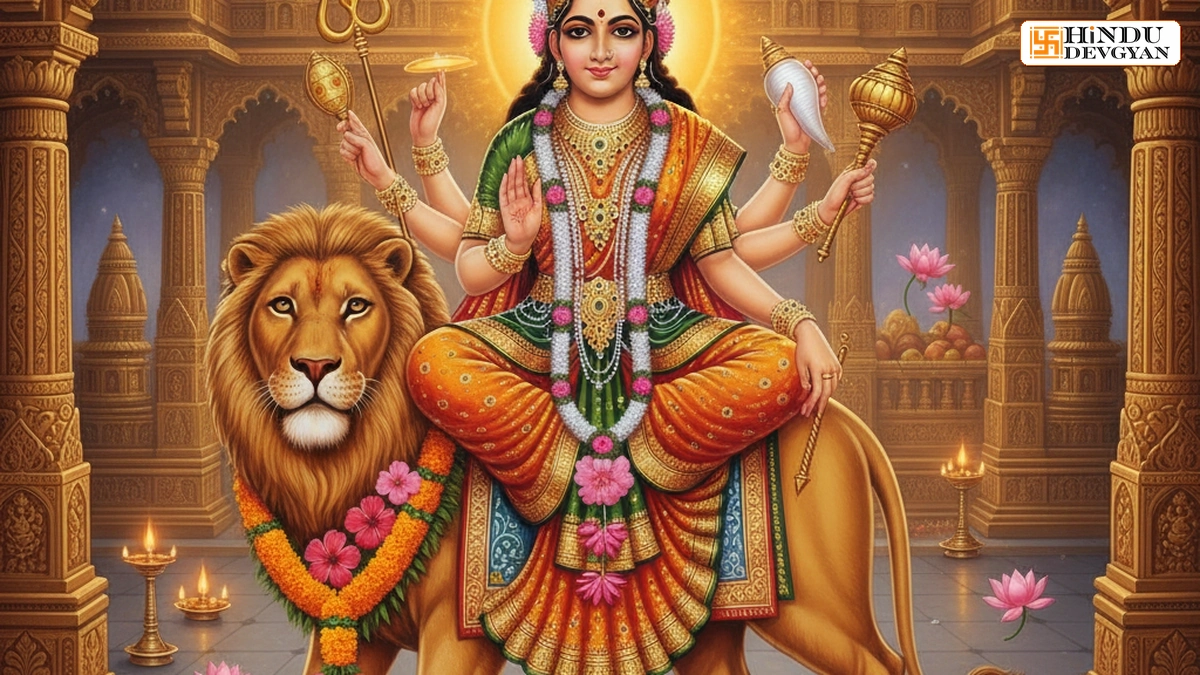
Navratri, literally ‘nine nights’, is a period dedicated to Goddess Durga and her nine manifestations, symbolizing the victory of good over evil. Historically and mythologically, it commemorates Maa Durga’s triumph over the demon Mahishasura, representing the destruction of ego, ignorance, and negativity within us. This is not merely an external battle but an internal cleansing, a spiritual rejuvenation. The Vedic Shastras emphasize this period as a potent time for spiritual sadhana, self-reflection, and accumulating divine energy (Shakti).
It is a time to purify our minds, bodies, and souls, transforming them into a suitable abode for the Divine Mother. The nine days represent the various stages of spiritual evolution, culminating in the complete subjugation of our inner demons on Vijayadashami. Engaging in Sattvic (pure, virtuous) activities, fasting, and devotional practices during this time are believed to amplify spiritual benefits and align us with cosmic energies. Understanding this profound spiritual backdrop is key to navigating the modern-day dilemma of balancing devotion with social engagements.
Transform Your Home’s Energy Today!
Discover the ancient secrets to attracting wealth, health, and harmony. Download our premium 5-chapter Vastu Shastra guide instantly.
ॐ सर्वमङ्गलमाङ्गल्ये शिवे सर्वार्थसाधिके ।
शरण्ये त्र्यम्बके गौरि नारायणि नमोऽस्तु ते ॥Om Sarva Mangala Mangalye, Shive Sarvartha Sadhike.
Sharanye Tryambake Gauri, Narayani Namostute.Word-by-word meaning:
Om: The primordial sound, the universal cosmic vibration.
Sarva Mangala Mangalye: O auspicious one of all auspiciousness.
Shive: The one who is eternally auspicious, pure, and good.
Sarvartha Sadhike: The one who accomplishes all objectives/purposes.
Sharanye: The one who is the refuge of all.
Tryambake: The three-eyed Goddess.
Gauri: The brilliant and fair one (another name for Parvati/Durga).
Narayani: The sister of Narayana (Vishnu), or the sustainer of all beings.
Namostute: Salutations to You.This powerful Devi Mantra invokes the Divine Mother as the source of all auspiciousness, purity, and the fulfiller of desires, urging us to seek refuge in her during this sacred period.
Step-by-Step Vidhi, Shubh Muhurat & Planetary Influences for Navratri 2026
Sharad Navratri in 2026 commences on Tuesday, October 20, 2026. The most critical ritual marking the beginning of Navratri is Ghatasthapana, symbolizing the invocation of the Goddess.
Ghatasthapana Shubh Muhurat for Navratri 2026 (October 20, 2026):
📲 Join Our WhatsApp Channel
रोज़ सुबह पाएं — पंचांग, मंत्र, और आध्यात्मिक ज्ञान सीधे WhatsApp पर。
Get daily Panchang, Mantras & Spiritual Wisdom every morning.
- Pratipada Tithi Begins: October 19, 2026, at 11:34 PM
- Pratipada Tithi Ends: October 20, 2026, at 09:12 PM
- Ghatasthapana Muhurat: 06:17 AM – 07:33 AM (Duration: 1 Hour 16 Mins)
- Abhijit Muhurat (highly auspicious): 11:36 AM – 12:22 PM
For precise local timings and detailed planetary positions, always consult a reliable Panchang. This ensures your spiritual practices are perfectly aligned with cosmic energies.
General Navratri Puja Vidhi:
- Ghatasthapana: On the first day, place a Kalash (earthen pot) filled with water, surrounded by barley seeds, and adorned with mango leaves and a coconut. This represents the universe and the womb of the Divine Mother.
- Akhand Jyot: Maintain an unbroken lamp (Akhand Jyot) for all nine days, symbolizing the continuous presence of the Divine Light.
- Daily Puja: Offer prayers, flowers, fruits, and sweets to the Devi. Each day is dedicated to a specific form of Durga.
- Durga Saptashati & Mantras: Recite chapters from Durga Saptashati or chant Devi Mantras like ‘Om Aim Hreem Kleem Chamundaye Vichche’.
- Aarti: Conclude daily prayers with the traditional Aarti, offering light to the Goddess.
- Kanya Pujan: On Ashtami (8th day) or Navami (9th day), worship young girls (Kanyas) as manifestations of the Devi, feeding them and offering gifts.
Planetary Influences: During Navratri, the Moon is in its waxing phase, signifying growth and augmentation of energies. Venus, representing beauty, art, and harmony, often plays a role in the joyous Garba celebrations, while Jupiter’s benevolent gaze ensures spiritual wisdom and auspiciousness. Consulting your personal Kundli can offer deeper insights into how these planetary alignments might specifically affect your spiritual journey.
Important Dos & Don’ts to Avoid Shastric Karma Errors
Here lies the heart of our discussion: how to harmonize sacred devotion with modern social life during Navratri. The key lies in understanding the intent and awareness behind your actions.
The DOs (What is Spiritually ‘Right’):
- Maintain Purity (Sattvic Living): Observe fasting according to your capacity, consume only Sattvic food (vegetarian, devoid of onion and garlic), and avoid alcohol, tobacco, and non-vegetarian food. This purifies the body and mind, making them receptive to divine energy.
- Engage in Mindful Devotion: Dedicate your mornings to sincere puja, meditation, and chanting. Let this spiritual grounding infuse your entire day.
- Garba/Dandiya as an Offering: Participate in Garba with a spirit of devotion, celebrating the cosmic dance of the Divine Mother. See the dance as a form of worship, a joyous offering of your energy and enthusiasm to the Goddess. It’s about community, cultural preservation, and shared joy in reverence.
- Foster Community Spirit: Navratri is a time for togetherness. Sharing meals (Sattvic ones!), attending aartis, and engaging in community Garba fosters unity and collective spiritual upliftment.
- Respect for the Divine Feminine: Honor all women, recognizing them as manifestations of the Devi. Extend respect, compassion, and protection.
- Mindful Dating (If Applicable): If you are dating during Navratri, let it be an interaction imbued with respect, purity of intention, and mindfulness of the sacred period. It should not devolve into frivolous or purely hedonistic pursuits that would disrespect the sanctity of the festival. Genuine connection, shared values, and mutual respect align with higher spiritual principles.
- Introspection & Self-Improvement: Use these nine nights for deep introspection, identifying and working on your inner weaknesses, aligning with the core principles of Dharma. Learn more about Karma and its implications through Gita Wisdom.
The DON’Ts (The 1 Spiritual Misstep & Other Actions to Avoid):
- The 1 Spiritual Misstep: Forgetting the Divine Mother’s Presence. The gravest error one can make during Navratri is to allow the vibrant social aspects – be it Garba, feasting, or dating – to completely overshadow or negate the profound spiritual purpose of self-introspection, purification, and connection with the Divine Mother. When activities become purely about hedonism, ego gratification, or superficial pleasures, and the underlying spiritual current is entirely forgotten, that is the spiritual misstep.
- Disrespectful Conduct: Engaging in activities that promote lust, greed, anger, or general irreverence towards the sacredness of the festival. This includes excessive revelry, irresponsible behavior, or mocking traditions.
- Consuming Non-Sattvic Food/Drink: Breaking fasts with non-vegetarian food, alcohol, or tobacco consciously goes against the purity sought during this period, generating negative karmic impressions.
- Using Sacred Space for Profane Ends: Exploiting the atmosphere of celebration for purely selfish, materialistic gains or illicit activities that have no spiritual grounding.
- Neglecting Morning Devotion: Prioritizing late-night festivities over essential morning pujas and spiritual practices. The balance is crucial.
Ultimately, Navratri is a period of immense spiritual potential. It’s not about outright banning joy or social interaction, but about elevating these experiences to a higher, more conscious level. Let your morning devotion purify your intentions, and let your evening celebrations be an extension of that purity – a joyful offering to the Divine Mother, rather than a distraction from her.
Frequently Asked Questions
Q1: Is participating in Garba/Dandiya religiously sanctioned during Navratri?
A1: Yes, when approached with the right intent. Garba and Dandiya Raas are traditional folk dances performed as a devotional offering to Maa Durga, symbolizing the cosmic dance of creation and energy. If performed with reverence, joy, and a heart full of devotion, it is considered a sacred act that connects devotees to the divine feminine energy. It becomes ‘wrong’ only when the spiritual intent is lost, and it devolves into mere hedonism or disrespectful conduct.
Q2: Can I observe fasts during Navratri if I have health conditions or cannot follow all strict rules?
A2: Absolutely. Hinduism emphasizes intention and spiritual growth over rigid rules, especially when health is a concern. If you have health conditions, are pregnant, or have other limitations, you should prioritize your well-being. You can observe a partial fast, fast for fewer days, or simply adopt a Sattvic diet without abstaining from food entirely. The most important aspect is cultivating devotion, purity of thought, and connecting with the Divine Mother in a way that is sustainable and healthy for you. Your sincere prayers hold more weight than a physically strenuous fast.
Q3: Is dating permissible during Navratri, and if so, what are the guidelines?
A3: While Navratri is primarily a period of spiritual abstinence and purification, there isn’t an outright ban on dating. The key lies in maintaining purity of intention and conduct. During this sacred time, interactions should be respectful, mindful, and avoid any activities that are overtly sensual, frivolous, or would compromise the Sattvic atmosphere you are trying to cultivate. Focus on building genuine connection, respectful communication, and shared spiritual values, rather than purely physical or superficial encounters. It’s about being conscious of the sanctity of the time and reflecting that in your personal interactions. As with all things, moderation, respect, and a devotional mindset are paramount.
🔮 Curious About Your Birth Chart?
Discover your exact career path, marriage compatibility, and planetary dashas based on your exact birth time.
⭐ Recommended for You
Contains affiliate links. We earn a small commission at no extra cost to you.
Complete brass thali with diya, incense holder, bell and more for daily puja.