हिंदी सारांश:
- पौष पुत्रदा एकादशी 2027, सोमवार 18 जनवरी को मनाई जाएगी।
- एक प्यासे जीव को पानी न देने जैसे छोटे कर्म से राजा को वर्षों तक संतान सुख नहीं मिला, जो इस व्रत कथा का मुख्य सबक है।
- संतान प्राप्ति, समस्त पापों से मुक्ति और जीवन में सुख-समृद्धि के लिए इस पावन व्रत का विधिवत पालन करें।
In the vast tapestry of Hindu Dharma, certain sacred days shine brighter, holding profound significance for those who seek divine intervention and blessings. Among them, the Ekadashis, dedicated to Lord Vishnu, stand paramount. And for those yearning for the precious gift of progeny, particularly a son, there is one Ekadashi that holds a special place: Putrada Ekadashi. As we approach Pausha Putrada Ekadashi 2027 on Monday, January 18th, let us journey into its timeless wisdom, uncover the ancient karma that can impede our deepest desires, and learn the sacred vidhi to invite unparalleled blessings into our lives.
Imagine a king, mighty and benevolent, yet plagued by a profound sorrow – the absence of an heir. This isn’t just a tale from scriptures; it’s a mirror reflecting the universal human longing for continuity, for the joy of parenthood. The story of Putrada Ekadashi reminds us that even royalty is subject to the cosmic laws of karma, and sometimes, the simplest acts of neglect can cast long shadows over our destiny.
Significance & Vedic Shastric Context
The term ‘Putrada’ itself translates to ‘giver of sons’ (putra meaning son, da meaning giver), though its blessings extend to granting any desired progeny and overall spiritual upliftment. Observed twice a year – once in the Hindu month of Shravana (July-August) and again in Pausha (December-January) – Putrada Ekadashi is a powerful fast observed by couples aspiring to have children. It is believed that observing this vrat with utmost sincerity and devotion can alleviate karmic impediments, purify the soul, and open the pathways for new life.
Transform Your Home’s Energy Today!
Discover the ancient secrets to attracting wealth, health, and harmony. Download our premium 5-chapter Vastu Shastra guide instantly.
The Vedic scriptures, particularly the Bhavishya Purana, extol the virtues of Putrada Ekadashi. The most popular legend associated with this vrat is that of King Suketuman (or Suketu) of Bhadravati. Though he ruled justly and had immense wealth, his heart was heavy with the absence of a child. His ancestors too were displeased, fearing the discontinuation of their lineage and ancestral rites. In his despair, the king once wandered into a dense forest, tormented by thirst and hunger. There, he stumbled upon a beautiful lake, and by its banks, he found wise sages performing austerities. Upon inquiring, the sages revealed that they were observing Putrada Ekadashi, and by their grace, they could see the cause of his suffering:
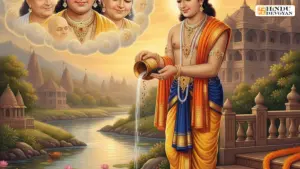
Years ago, in a moment of thoughtlessness or perhaps even deliberate cruelty, King Suketuman had denied water to a severely thirsty creature. This seemingly small act of omission, a lack of basic compassion, had manifested as the profound karmic blockage preventing him from experiencing the joy of parenthood.
The sages instructed him to observe Putrada Ekadashi with unwavering faith. Following their guidance, the king and his queen observed the fast diligently. By the grace of Lord Vishnu and the power of the Ekadashi vrat, they were soon blessed with a beautiful son, and their kingdom rejoiced. This story serves as a potent reminder: even seemingly minor acts of neglect or unkindness can have profound karmic repercussions, and sincere devotion, coupled with corrective actions, can help overcome them.
देवकी सुत गोविन्द वासुदेव जगत्पते,
देहि मे तनयं कृष्ण त्वामहं शरणं गतः।Transliteration: Devaki Sut Govinda Vasudeva Jagatpate,
Dehi Me Tanayam Krishna Tvamaham Sharanam Gatah.Word-by-word Meaning:
Devaki Sut: O Son of Devaki
Govinda: O Govinda (a name of Lord Krishna/Vishnu)
Vasudeva: O Son of Vasudeva
Jagatpate: O Lord of the Universe
Dehi: Give
Me: Me
Tanayam: A son (progeny)
Krishna: O Krishna
Tvamaham: To You, I
Sharanam Gatah: Have taken refuge📲 Join Our WhatsApp Channel
रोज़ सुबह पाएं — पंचांग, मंत्र, और आध्यात्मिक ज्ञान सीधे WhatsApp पर。
Get daily Panchang, Mantras & Spiritual Wisdom every morning.Overall Meaning: O Son of Devaki, Govinda, Son of Vasudeva, Lord of the Universe, Krishna, I have taken refuge in You; please grant me a son.
Step-by-Step Vidhi, Shubh Muhurat & Planetary Influences
Observing Pausha Putrada Ekadashi 2027 with sincerity involves several key steps and adherence to specific timings.
Pausha Putrada Ekadashi 2027: Shubh Muhurat
- Vrat Date: Monday, January 18, 2027
- Ekadashi Tithi Begins: Sunday, January 17, 2027, at 07:44 PM
- Ekadashi Tithi Ends: Monday, January 18, 2027, at 05:27 PM
- Parana (Breaking Fast) Time: Tuesday, January 19, 2027, from 07:18 AM to 09:27 AM (Note: Parana timings are location-specific and should always be confirmed with a local Panchang.)
Sacred Vidhi (Ritual Steps):
- Dashami Preparations: On the Dashami Tithi (the day before Ekadashi), consume only one meal before sunset. Avoid garlic, onion, and non-vegetarian food.
- Sankalp (Vow): On Ekadashi morning, after a purifying bath, take a solemn vow (Sankalp) to observe the fast with full devotion.
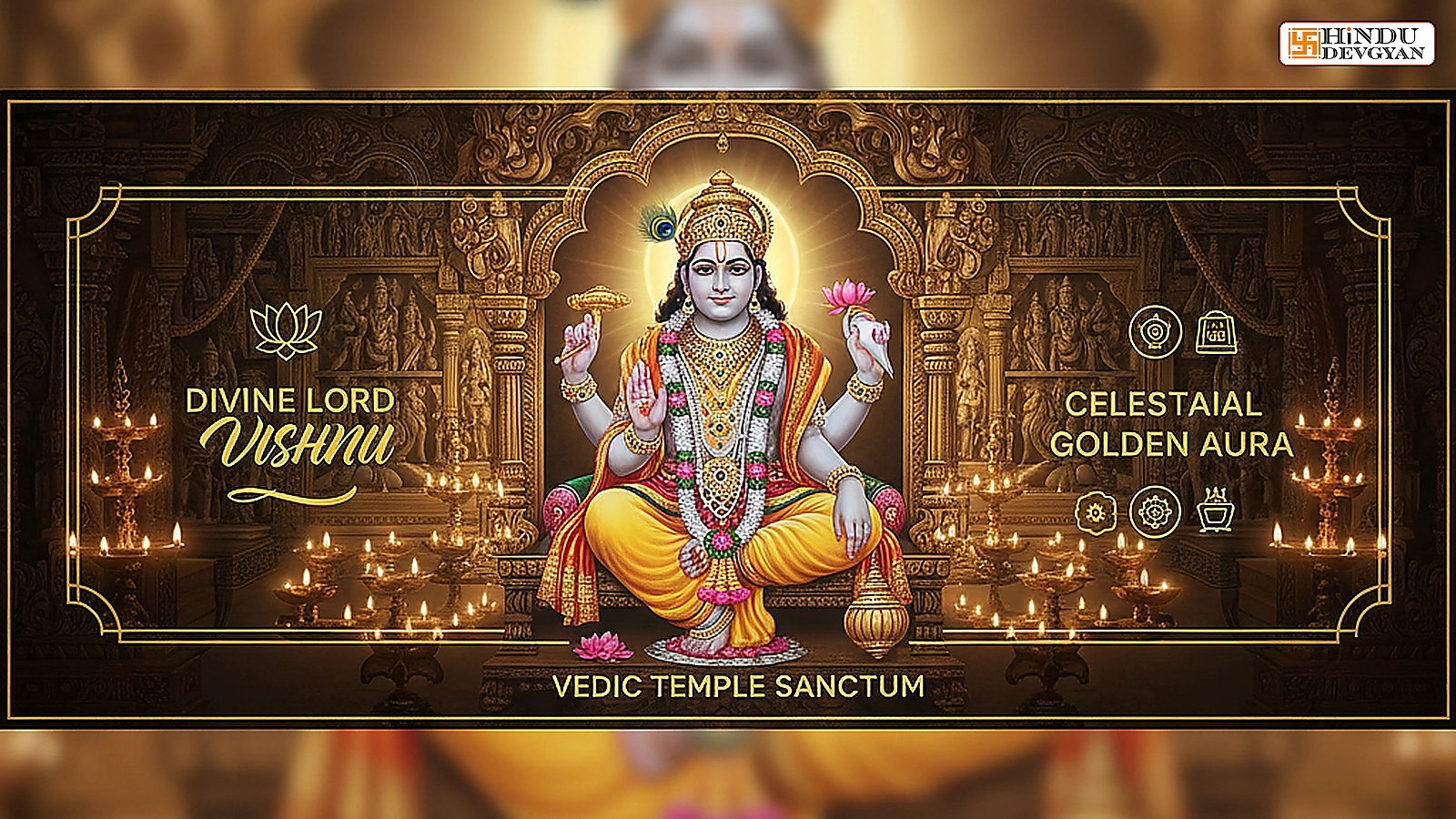
- Lord Vishnu Puja: Clean your puja altar and place an idol or image of Lord Vishnu. Offer fresh flowers (especially Tulasi leaves, which are very dear to Vishnu), fruits, incense, lamps (diyas), and sweets.
- Mantra Chanting: Chant the ‘Om Namo Bhagavate Vasudevaya’ mantra or the specific ‘Devaki Sut Govinda…’ mantra mentioned above. Recite Vishnu Sahasranama if possible.
- Fasting: Depending on your health and capacity, you may observe a complete Nirjala (waterless) fast, a Phalahari (fruit-only) fast, or consume sattvic food without grains (rice, wheat, pulses).
- Night Vigil: Many devotees observe Jagaran (staying awake through the night) singing hymns and devotional songs to Lord Vishnu.
- Dwadoshi Parana: Break your fast on the Dwadoshi Tithi (the day after Ekadashi) during the prescribed Parana time. Offer food to Brahmins or the needy before consuming your first meal.
Planetary Influences:
Ekadashi Tithi is inherently auspicious for spiritual endeavors. Observing this vrat on a Monday, which is ruled by the Moon, can further enhance emotional stability and receptivity to divine blessings. The Moon governs the mind and fertility, making it a particularly potent day for prayers related to progeny. For deeper insights into planetary positions and their influence on your life, consider consulting your Free Kundli.
Important Dos & Don’ts to Avoid Shastric Karma Errors
The essence of the Putrada Ekadashi Katha lies in a profound karmic lesson. Adhering to these Dos and Don’ts is not just about ritual, but about aligning ourselves with the cosmic law of Dharma.
The 1 Karma Error to Avoid (as per the Vrat Katha):
- Denying Compassion to a Thirsty/Needy Creature: The king’s suffering stemmed from refusing water to a parched animal. This is a powerful allegory for neglecting basic acts of kindness and compassion towards any living being in distress. Avoid turning a blind eye to suffering, especially when you have the means to help. Such callousness creates severe karmic debt that can manifest in various forms of deprivation in one’s life.
Important Dos:
- Practice Generosity: Especially on Ekadashi, engage in acts of charity. Donate food, clothes, or offer financial assistance to the less fortunate. Feeding cows, birds, or other animals is also highly meritorious.
- Cultivate Compassion: Actively seek to help those in need, be it a fellow human or an animal. A simple glass of water to a thirsty person, a kind word to someone in sorrow, or shelter to a stray can generate immense positive karma.
- Engage in Spiritual Sadhana: Devote your time to prayers, meditation, chanting, and reading sacred texts like the Bhagavad Gita. This purifies the mind and soul.
- Maintain Celibacy: Observe strict celibacy on Ekadashi and Dwadoshi for enhanced spiritual benefits.
- Speak Truthfully and Kindly: Avoid harsh words, gossip, and falsehoods. Maintain a sattvic disposition.
Important Don’ts:
- Avoid Grains: The strictest rule of Ekadashi is to abstain from grains (rice, wheat, lentils, pulses). This is for both physical and spiritual purification.
- Do Not Sleep During the Day: Daytime sleep on Ekadashi is considered disrespectful to Lord Vishnu and diminishes the benefits of the fast.
- Avoid Vices: Abstain from alcohol, tobacco, and any form of intoxication.
- Do Not Cut Hair or Nails: Avoid these activities on Ekadashi as they are considered inauspicious.
- Refrain from Negative Thoughts: Keep your mind focused on the divine. Avoid anger, greed, jealousy, and lust.
By understanding and applying these timeless wisdoms, not only do we observe a sacred fast, but we also cultivate a heart filled with compassion and align our actions with Dharma, paving the way for the fulfillment of our righteous desires and the ultimate spiritual progress.
Frequently Asked Questions
Here are some common questions about Pausha Putrada Ekadashi:
Q1: Who should observe Putrada Ekadashi?
A1: This fast is primarily observed by couples desiring children, especially a son. However, anyone seeking spiritual merit, purification from sins, or overall well-being can observe it.
Q2: What are the main benefits of observing this Vrat?
A2: The primary benefit is the blessing of progeny. Additionally, it helps cleanse past sins, promotes spiritual growth, brings peace of mind, and fulfills righteous desires.
Q3: Can women observe this fast, especially if pregnant?
A3: Yes, women can certainly observe this fast. However, pregnant women, the elderly, or those with chronic illnesses should consult a physician and may observe a less strict fast (e.g., phalahari or consuming prescribed sattvic food) to ensure their health is not compromised. The intention and devotion are paramount.
For more authentic insights into Hindu traditions and spiritual guidance, explore HinduDevGyan.
🔮 Curious About Your Birth Chart?
Discover your exact career path, marriage compatibility, and planetary dashas based on your exact birth time.
⭐ Recommended for You
Contains affiliate links. We earn a small commission at no extra cost to you.
Auspicious copper vessel for Puja, Kalash Sthapana and daily water offerings.