हिंदी सारांश:
नीलाद्रि बीजे जगन्नाथ रथ यात्रा का सबसे अंतिम और सबसे भावुक चरण है, जिसके बिना रथ यात्रा का समापन अधूरा माना जाता है। इस दिन भगवान जगन्नाथ, बलभद्र जी और देवी सुभद्रा अपने मौसी के घर (गुंडिचा मंदिर) से वापस अपने मुख्य धाम श्रीमंदिर लौटते हैं। इस पवित्र अवसर पर अपनी रूठी हुई पत्नी माता लक्ष्मी को मनाने के लिए भगवान जगन्नाथ उन्हें मीठा रसगुल्ला अर्पित करते हैं, जिसके बाद ही उन्हें मंदिर में प्रवेश मिलता है।
Understanding Niladri Bije: The Grand Finale of Rath Yatra
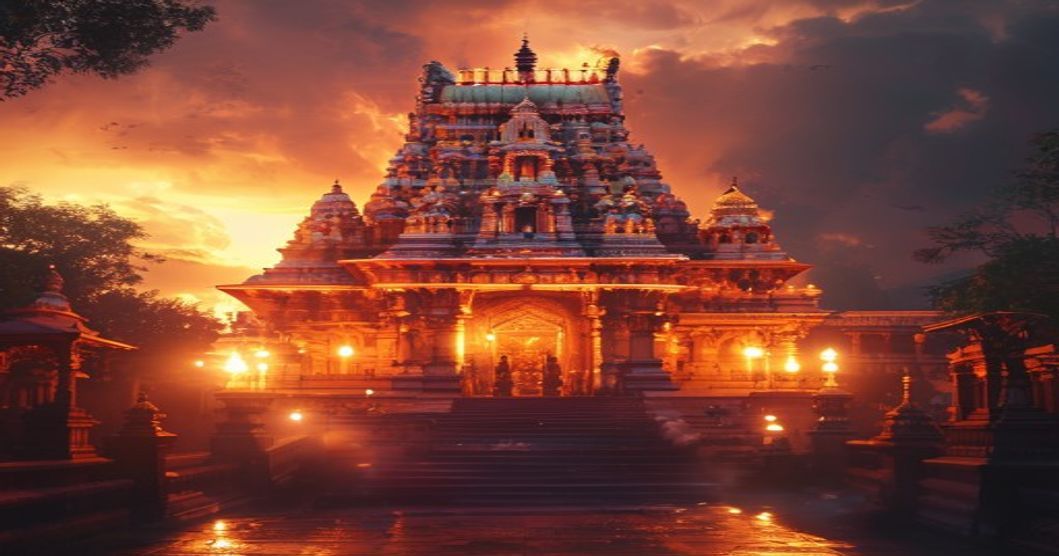
The annual world-renowned Puri Rath Yatra reaches its ultimate spiritual climax on the sacred day of Niladri Bije. While millions of devotees gather to watch Lord Jagannath, Lord Balabhadra, and Devi Subhadra ride their grand wooden chariots to the Gundicha Temple, the Yatra is considered incomplete without their formal return to the sanctum sanctorum (Ratna Singhasana) of the Srimandir.
The term Niladri refers to the sacred blue hill or the divine abode of Lord Jagannath (Puri Temple), while Bije in the Odia language signifies a royal entering or returning procession. Niladri Bije marks the emotional day when the divine siblings end their nine-day annual outdoor journey and step back inside their primary residence. However, before the Lord of the Universe can re-enter His own temple, He must resolve a sweet domestic dispute with His divine consort, Goddess Mahalakshmi.
The Divine Cosmic Quarrel: Why Goddess Lakshmi Was Angry
The tale behind Niladri Bije is one of deep divine love, playful tension, and human-like emotion between Lord Jagannath and Goddess Lakshmi. According to sacred temple traditions, when Lord Jagannath set out on his annual journey to the Gundicha Temple along with his brother Balabhadra and sister Subhadra, he did not invite Goddess Lakshmi to accompany them.
Left alone in the Srimandir, Goddess Lakshmi grew heartbroken and aggrieved. On the fifth day of the Yatra—celebrated as Hera Panchami—she visited the Gundicha Temple in anger, secretly damaging a part of Lord Jagannath’s chariot (Nandighosha) as a symbolic protest before returning to the main temple.
When Lord Jagannath finally returns to the Srimandir on Niladri Bije, he finds the main temple doors (Simhadwara) locked from the inside by Goddess Lakshmi’s servitors. She initially refuses Him entry into the palace, demanding an explanation for leaving her behind.
The Sweet Tradition of Rasagola Dibasa
To pacify his loving wife, Lord Jagannath enacts a beautiful act of divine love and reconciliation. Knowing her fondness for sweets, the Lord offers fresh, delicious Rasagolas (Rasgulla) to Goddess Lakshmi to sweeten her mood and seek her forgiveness.
Overcome by the tender love and devotion of her divine consort, Goddess Lakshmi forgives Lord Jagannath and opens the doors of the temple, welcoming the deities back to their eternal throne. In celebration of this heartwarming legend, the day of Niladri Bije is officially celebrated across Odisha as Rasagola Dibasa (Rasgulla Day), honoring the ancient culinary and spiritual heritage of the region.
Key Rituals Performed During Niladri Bije
The rituals of Niladri Bije are intensely emotional and conducted with magnificent reverence by the temple servitors (Daitapatis):
- Goti Pahandi: Unlike the initial chariot procession where all deities move together, during Niladri Bije, the deities are taken inside one after another in a specialized slow step procession called Goti Pahandi.
- Subhadra and Balabhadra’s Re-entry: Lord Balabhadra and Devi Subhadra are escorted inside first without any obstruction.
- The Door Lock Ritual: When Lord Jagannath arrives at the gate, the door is closed upon Goddess Lakshmi’s order, initiating a traditional dramatic dialogue between the servitors representing the Lord and those representing the Goddess.
- Offering of Rasagola: Lord Jagannath offers sweet Rasagolas to Goddess Lakshmi, after which she relents and grants entry.
- Ascension to Ratna Singhasana: The divine trinity is once again seated upon the sacred jewel-studded pedestal, marking the absolute completion of the Rath Yatra festival.
Spiritual Lessons: Karma, Humility, and Household Harmony
Beyond its colorful rituals, Niladri Bije carries profound philosophical messages for human life. It teaches us that even the Supreme Cosmic Being respects the feelings of his divine counterpart, demonstrating the importance of equality, respect, humility, and mutual understanding in a domestic relationship. Aligning one’s daily life with high moral duties reflects the core spiritual essence found in the wisdom of the Bhagavad Gita and Karma teachings.
To ensure auspicious timing for performing major life events, housewarmings, or weddings, devotees frequently check the daily Panchang and align their spiritual practices accordingly. Those interested in understanding their cosmic planetary influences and family dynamics can also analyze their personal Kundli to achieve domestic bliss and harmony.
Conclusion
Niladri Bije is not merely the end of a grand festival; it is a celebration of ultimate love, forgiveness, and eternal cosmic order. It reminds us that sweet humility can dissolve the greatest conflicts and that true joy lies in returning home to divine togetherness. For more authentic insights on Vedic traditions, sacred fasts, and festival mysteries, stay connected with HinduDevGyan.