हिंदी सारांश:
- संतान सुख की बाधा: एक प्यासे जीव को पानी न देने की राजा सुकेतु की भूल ने उन्हें वर्षों तक संतान सुख से वंचित रखा।
- पुत्रदा एकादशी का महत्व: यह व्रत संतान प्राप्ति, समस्त पापों के निवारण और जीवन में समृद्धि लाने के लिए अत्यंत फलदायी है।
- शुभ कर्मों का महत्व: भगवान विष्णु की आराधना के साथ-साथ दान-पुण्य और सभी जीवों के प्रति करुणा रखना इस व्रत का मूल संदेश है।
As the spiritual winds of HinduDevGyan usher us towards the close of 2026, a profoundly significant observance approaches – the Pausha Putrada Ekadashi. Falling on Thursday, December 31, 2026, this sacred day holds the promise of fulfilling the deepest desires of the heart, particularly the blessing of progeny. Yet, interwoven with its auspiciousness is a timeless tale of karmic consequence, a cautionary note reminding us of the profound impact of even a single act of oversight. Join us as we unravel the divine significance, the precise rituals, and the ancient wisdom that illuminates the path to blessings on this powerful Ekadashi.
Significance & Vedic Shastric Context
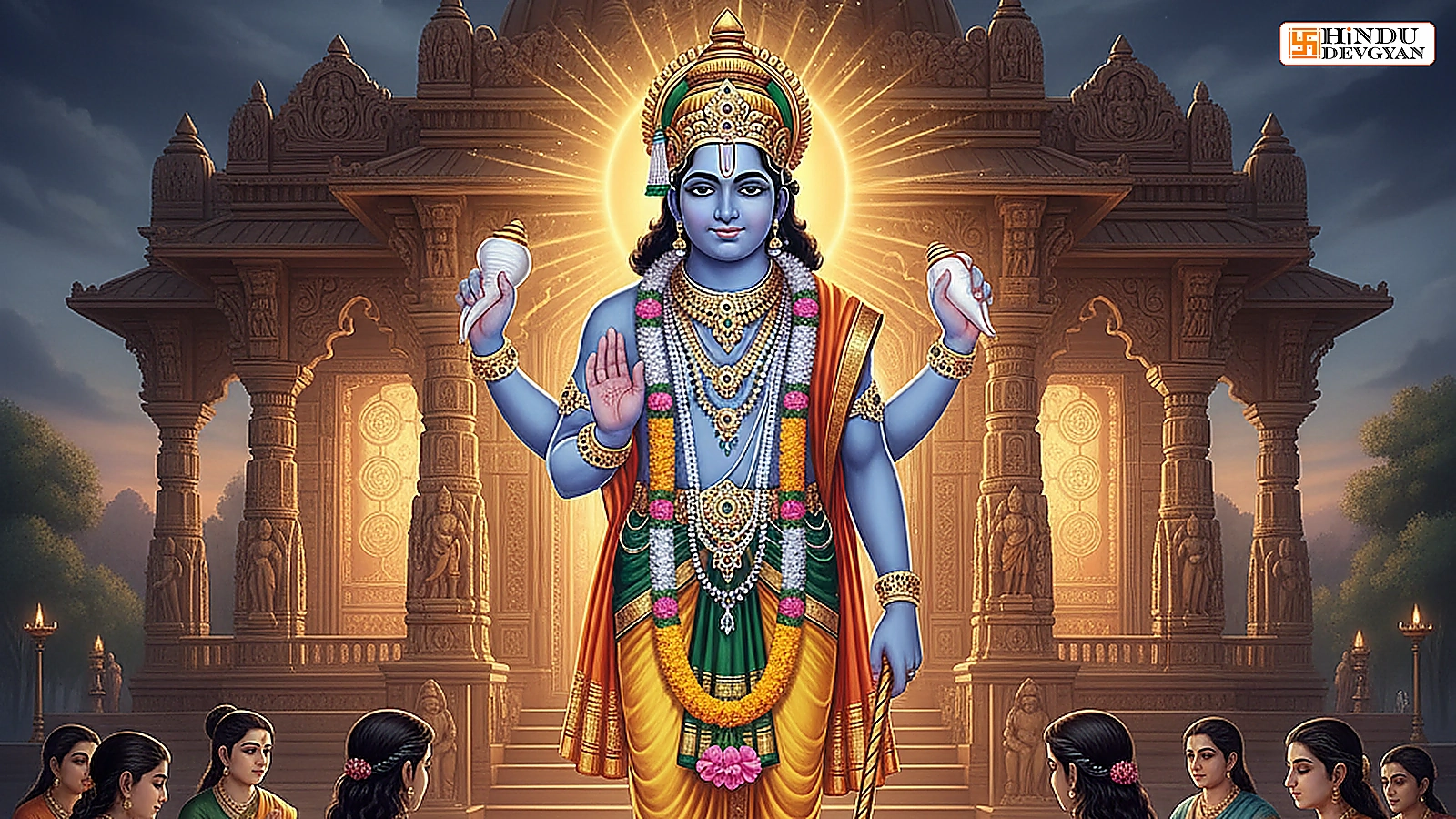
The term ‘Putrada’ literally translates to ‘giver of sons’ (or progeny in a broader sense), underscoring the primary blessing bestowed by observing this Ekadashi. Dedicated to Lord Vishnu, the preserver of the universe, Pausha Putrada Ekadashi is observed during the Shukla Paksha (waxing phase of the moon) of the Pausha month in the North Indian Purnimanta calendar, corresponding to December/January. For those yearning for children, for spiritual purification, and for the removal of past karmic burdens, this vrat (fast) is considered exceptionally potent. It is believed that observing this fast with utmost devotion not only grants the boon of offspring but also bestows knowledge, wealth, and ultimately, liberation from the cycle of birth and death.
The scriptures emphasize that the sincere observance of any Ekadashi vrat can cleanse one of sins accumulated over lifetimes. Putrada Ekadashi carries an additional weight, promising to alleviate the deep sorrow of childlessness, bringing joy and continuity to a lineage.
Transform Your Home’s Energy Today!
Discover the ancient secrets to attracting wealth, health, and harmony. Download our premium 5-chapter Vastu Shastra guide instantly.
📲 Join Our WhatsApp Channel
रोज़ सुबह पाएं — पंचांग, मंत्र, और आध्यात्मिक ज्ञान सीधे WhatsApp पर。
Get daily Panchang, Mantras & Spiritual Wisdom every morning.
शान्ताकारं भुजगशयनं पद्मनाभं सुरेशं विश्वाधारं गगनसदृशं मेघवर्णं शुभाङ्गम्। लक्ष्मीकान्तं कमलनयनं योगिभिर्ध्यानगम्यं वन्दे विष्णुं भवभयहरं सर्वलोकैकनाथम्॥
Shantakaram Bhujagashayanam Padmanabham Suresham Vishwadharam Gaganasadrisham Meghavarnam Shubhangam. Lakshmikantam Kamalanayanam Yogibhir Dhyanagamyam Vande Vishnum Bhavabhayaharam Sarvalokaikanatham.
Meaning: I bow to Lord Vishnu, who is peaceful in appearance, who rests on a serpent, from whose navel a lotus springs forth, the Lord of the Devas, the support of the universe, who is like the sky, whose complexion is like a cloud, whose form is auspicious. He is the consort of Lakshmi, with lotus-like eyes, approachable by Yogis through meditation, the remover of the fear of worldly existence, the one Lord of all worlds.
Step-by-Step Vidhi, Shubh Muhurat & Planetary Influences
Observing Pausha Putrada Ekadashi is a sacred commitment that requires adherence to specific rituals and timings for maximum benefit. For Thursday, December 31, 2026, devotees should prepare with devotion.
Shubh Muhurat for Pausha Putrada Ekadashi 2026:
- Ekadashi Tithi Begins: Wednesday, December 30, 2026, at approximately 05:30 PM
- Ekadashi Tithi Ends: Thursday, December 31, 2026, at approximately 04:45 PM
- Parana (Breaking the Fast) Time on Dwadashi: Friday, January 1, 2027, from 07:15 AM to 09:30 AM (Please note: The exact timing can vary slightly based on geographical location and specific Panchang calculations.)
Detailed Vidhi (Ritual):
- Preparation (Dwadashi, Dec 30): Devotees should cleanse themselves by taking a bath. Ensure the home is clean.
- Sankalpa (Vow – Early Morning, Dec 31): After a morning bath, take a vow (sankalpa) to observe the fast with full sincerity. This can be done by holding some water, rice, and flowers in your hand and mentally (or verbally) expressing your intention to observe the fast for a specific purpose (e.g., progeny).
- Lord Vishnu Puja: Install an idol or image of Lord Vishnu. Offer fresh flowers (especially lotus or marigold), Tulsi leaves (sacred basil), fruits, sweets (naivedyam), incense sticks, and a lamp (diya). Chant Vishnu Sahasranama or any Vishnu mantra.
- Vrat Katha Recitation: The Putrada Ekadashi Katha (story) should be recited or listened to attentively. This is crucial for understanding the vrat’s significance and merits.
- Fasting: Many observe a Nirjala (waterless) fast. Others opt for a partial fast, consuming only water, milk, fruits, or specific vrat-friendly foods (like sabudana, kuttu atta). Avoid grains, pulses, and non-vegetarian food strictly.
- Jagran (Night Vigil): It is highly meritorious to stay awake through the night, chanting hymns, meditating, or listening to spiritual discourses related to Lord Vishnu.
- Charity (Daan): Donate food, clothes, or money to Brahmins, the poor, and needy individuals on this day.
- Parana (Breaking the Fast – Jan 1, 2027): On Dwadashi (the day after Ekadashi), break your fast within the specified Parana time. Consume a small amount of consecrated food (prasad) or a simple, sattvic meal.
Planetary Influences:
Ekadashi tithis are inherently auspicious, especially for spiritual endeavors. Observing this fast helps harmonize the mind (influenced by the Moon) and brings forth the benevolent energies of Jupiter (Guru), who governs progeny and wisdom. The dedicated worship of Lord Vishnu during this period strengthens one’s spiritual core and aligns personal desires with cosmic will.
Important Dos & Don’ts to Avoid Shastric Karma Errors
The story of King Suketu, central to the Putrada Ekadashi Katha, serves as a powerful reminder of the profound impact of our actions, or inactions. King Suketu, despite being a righteous ruler, faced the profound sorrow of childlessness for many years. His despair led him to the dense forest where, parched and weary, he encountered a group of sages. Upon hearing his plight, they revealed the solution: the observance of Putrada Ekadashi. But the underlying message of his suffering was often linked to an oversight – a moment of insensitivity or lack of compassion towards a thirsty or needy being. While the specific details vary, the essence remains: **the denial of aid to a suffering creature, especially when it concerns basic sustenance like water, can accrue negative karma, impacting even the most cherished desires.**
Dos on Pausha Putrada Ekadashi:
- Observe a Strict Fast: Adhere to the fasting rules as per your capacity (Nirjala or Phalhari).
- Worship Lord Vishnu: Perform elaborate puja, chant mantras like Om Namo Bhagavate Vasudevaya, and offer Tulsi leaves.
- Recite or Listen to the Katha: Understanding the Vedic wisdom behind the vrat strengthens your resolve and attracts blessings.
- Practice Compassion (Karuna): Donate to the needy, feed animals, and extend kindness to all beings. This is the antidote to karmic errors.
- Maintain Celibacy: Observe brahmacharya on this day.
- Stay Awake (Jagran): If possible, spend the night in prayer and meditation.
Don’ts on Pausha Putrada Ekadashi:
- Do Not Consume Grains or Rice: These are strictly prohibited during the fast.
- Do Not Consume Non-Vegetarian Food or Intoxicants: Avoid alcohol, tobacco, and any form of meat.
- Do Not Engage in Negative Thoughts or Speech: Refrain from anger, gossip, and criticism. Maintain a positive and spiritual mindset.
- Do Not Sleep During the Day: This is considered disrespectful to the vrat.
- The Grave Error to Avoid (King Suketu’s Lesson): NEVER refuse water or basic sustenance to a thirsty or hungry being, whether human or animal, if you have the means to provide it. Neglecting such fundamental acts of compassion can accumulate severe negative karma, potentially obstructing blessings like progeny, wealth, or peace. Always be ready to offer help to the distressed.
- Avoid Hair Cutting & Nail Trimming: These are generally avoided on auspicious days.
By diligently following these Dos and strictly avoiding the Don’ts, especially the grave error of neglecting basic compassion, devotees can ensure their Pausha Putrada Ekadashi vrat is truly fruitful, inviting divine blessings and purifying their karmic ledger. May your devotion bring forth the most cherished of blessings.
Frequently Asked Questions
Here are some common questions about Pausha Putrada Ekadashi:
- Q1: What is the main purpose of Pausha Putrada Ekadashi?
- A1: The primary purpose of Pausha Putrada Ekadashi is to seek blessings for progeny (children), especially for couples who are experiencing difficulties conceiving. It is also observed for the purification of sins and the attainment of spiritual merit.
- Q2: Who should observe Pausha Putrada Ekadashi vrat?
- A2: This vrat is primarily observed by childless couples who desire to have children. However, anyone seeking spiritual purification, wealth, happiness, and the removal of karmic obstacles can also observe this auspicious fast.
- Q3: Can pregnant women observe this fast?
- A3: Pregnant women, individuals with chronic health conditions, or those under medication should consult a doctor and a spiritual guide (Panditji) before observing any strict fast. They can opt for a partial fast, consuming fruits and milk, or simply perform the puja and hear the Katha without fasting, to receive the blessings.
🔮 Curious About Your Birth Chart?
Discover your exact career path, marriage compatibility, and planetary dashas based on your exact birth time.
⭐ Recommended for You
Contains affiliate links. We earn a small commission at no extra cost to you.
Complete brass thali with diya, incense holder, bell and more for daily puja.