हिंदी सारांश:
- दशहरे पर रावण दहन के बजाय, कुछ स्थानों पर उसकी पूजा क्यों की जाती है, यह एक गहन रहस्य है जिसे यह लेख उजागर करता है।
- रावण को मंडोर में दामाद, और अनेक क्षेत्रों में प्रकांड विद्वान, कुशल शासक तथा परम शिवभक्त के रूप में पूजनीय माना जाता है।
- यह आलेख हिंदू धर्म की विविधता, क्षेत्रीय परंपराओं और रावण के बहुआयामी चरित्र के आध्यात्मिक महत्व पर प्रकाश डालता है।
As the auspicious day of Dussehra (Vijayadashami) approaches on Wednesday, October 28, 2026, the air will resonate with joyous celebrations, the triumph of good over evil, and the symbolic burning of Ravana effigies. This grand festival, observed across India and beyond, marks Lord Rama’s victory over the mighty demon king of Lanka. Yet, amidst these widespread festivities, a curious and profoundly spiritual paradox unfolds in certain parts of Bharat: the reverence, and even worship, of Ravana himself. Why do some devotees choose to honor, rather than condemn, the antagonist of the Ramayana?
As an elite Hindu Religious Scholar and Spiritual Travel Journalist, I invite you to embark on a journey that transcends conventional narratives and delves into the heart of India’s diverse spiritual tapestry. Prepare to uncover the hidden truths and unexpected reasons behind Ravana worship, traditions that challenge our preconceptions and deepen our understanding of Vedic wisdom.
Significance & Vedic Shastric Context
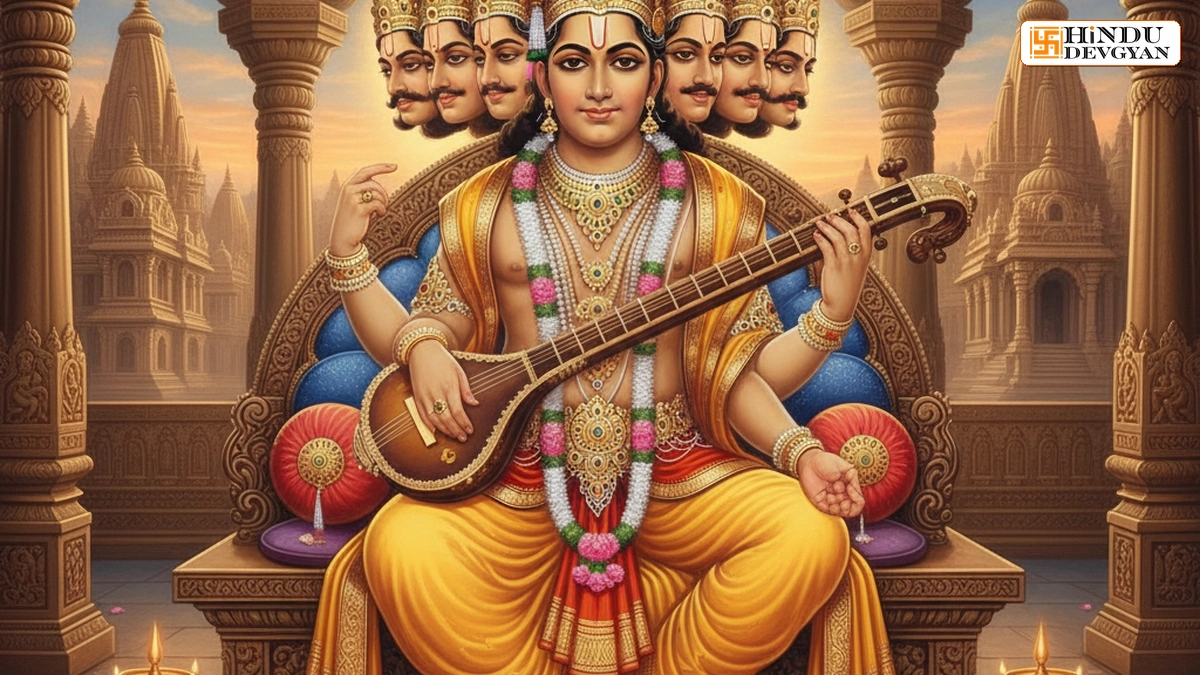
To truly comprehend the reverence for Ravana, we must first look beyond the simplistic ‘demon’ label and acknowledge his multifaceted persona as depicted in various Puranas and regional interpretations. Ravana, the great-grandson of Lord Brahma, was a colossal figure – a profound scholar of the Vedas, a master of Ayurvedic medicine, an unparalleled astrologer, a formidable warrior, and an ardent devotee of Lord Shiva. His capital, Lanka, was a city of immense splendor and technological advancement, a testament to his prowess.
Transform Your Home’s Energy Today!
Discover the ancient secrets to attracting wealth, health, and harmony. Download our premium 5-chapter Vastu Shastra guide instantly.
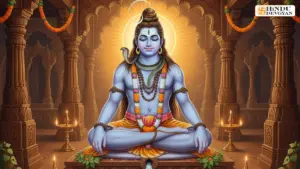
His ten heads (Dashanana) symbolize his mastery over the six Shastras and the four Vedas. He authored texts like the ‘Ravana Samhita’ (on Vedic astrology and Tantra) and ‘Arka Prakasham’ (on medicine). His unwavering devotion to Lord Shiva was legendary, even leading him to offer his own heads in penance, only to be miraculously restored by the Lord’s grace. It was through Shiva’s boon that he became invulnerable to gods and celestials, a boon he tragically misinterpreted.
From a deeper Vedic perspective, Ravana also played a crucial, albeit adversarial, role in Lord Rama’s divine ‘Leela’ (play). Without Ravana’s actions, the purpose of Rama’s avatar – the re-establishment of Dharma – might not have been fully realized. In this grand cosmic drama, even the antagonist serves a divine will, pushing the narrative towards ultimate righteousness. This complex understanding allows for a reverence of his positive qualities and his destined, albeit tragic, role.
अहो बलं अहो वीर्यं अहो सत्त्वं अहो महत् । अहो धैर्यम् अहो कांन्तिम् अहो बुद्धिमतो बलम् ॥
Aho balaṃ aho vīryaṃ aho sattvaṃ aho mahat | Aho dhairyam aho kāṁntim aho buddhimato balam ||
📲 Join Our WhatsApp Channel
रोज़ सुबह पाएं — पंचांग, मंत्र, और आध्यात्मिक ज्ञान सीधे WhatsApp पर。
Get daily Panchang, Mantras & Spiritual Wisdom every morning.Transliteration: Oh, what strength! Oh, what valor! Oh, what courage! Oh, what greatness! Oh, what patience! Oh, what radiance! Oh, what power of intellect!
Meaning: This shloka, from the Valmiki Ramayana, describes the immense power, courage, patience, and intellect of Ravana, acknowledging his extraordinary qualities even amidst his negative actions. It captures the essence of why he is revered in some contexts.
Understanding the Diverse Forms of Ravana Reverence & Key Locations
The worship of Ravana is not a monolithic practice but a tapestry of regional traditions, each rooted in unique historical, cultural, and spiritual narratives. Here are three unexpected reasons why devotees revere him:
-
The Revered Son-in-Law (दामाद): Mandore, Rajasthan
In Mandore, a historic town near Jodhpur, Rajasthan, Ravana is revered as a son-in-law. This is because Mandore is believed to be the birthplace of Mandodari, Ravana’s chief queen. Local Sarvswara Brahmins consider themselves descendants of Ravana and Mandodari. During Dussehra, instead of burning effigies, they observe a period of mourning and perform ‘Shraddha’ (ancestral rites) for Ravana. They believe that insulting a ‘Jamai’ (son-in-law) brings misfortune, and Ravana, for all his flaws, was an esteemed member of their lineage through marriage. Visiting Mandore offers a unique insight into this familial bond, with temples dedicated to Ravana’s ancestors.
-
The Pious Scholar & Shiva Devotee: Mandsaur, Madhya Pradesh & Kolar, Karnataka
In Mandsaur, Madhya Pradesh, a significant Brahmin community known as the ‘Ravana Bhakts’ worship him for his profound scholarship and exceptional devotion to Lord Shiva. Legends suggest that Mandodari was from Mandsaur, or that Ravana visited the region for a ritual. They constructed the first Ravana temple, believing that his vast knowledge and devotion should be honored. Similarly, in Kolar, Karnataka, there are temples where Ravana is worshipped for his fierce loyalty to Lord Shiva and his expertise in arts and sciences. These communities focus on his positive attributes, separating his scholarly and devotional aspects from his actions against Rama.
-
The Ancestor & Divine Catalyst: Bithoor, Uttar Pradesh & Sarai Tarin, Uttar Pradesh
Certain Brahmin communities, particularly in parts of Uttar Pradesh like Bithoor (believed by some to be Ravana’s birthplace or associated with his lineage) and Sarai Tarin, worship Ravana as a revered ancestor. For them, he is not just a character from a sacred epic but a part of their genealogical past. Furthermore, some philosophical traditions acknowledge Ravana’s role as a catalyst in divine providence. His existence and actions were crucial for Lord Rama to manifest his Dharma. This understanding elevates his role from a simple villain to an integral component of a larger spiritual design, making him a figure of spiritual significance. You can delve deeper into such philosophical concepts by exploring our Gita Wisdom section.
Embracing Plurality: The Spiritual Ethos of Diverse Traditions
In Hinduism, the concept of ‘Ekam Sat Vipra Bahudha Vadanti’ (Truth is one, but the wise articulate it in many ways) is paramount. The diverse practices surrounding Ravana exemplify this profound pluralism. While the majority celebrate Dussehra by burning Ravana’s effigy as a symbol of destroying inner evils, these communities offer an alternative lens through which to view complex characters and narratives. Understanding these traditions requires an open mind and a respect for regional customs and the profound depth of Hindu philosophy.
When encountering such diverse practices, it is crucial to:
- Respect Regional Customs: Acknowledge that local histories and interpretations significantly shape spiritual practices.
- Seek Knowledge, Not Judgment: Instead of dismissing or criticizing, strive to understand the underlying spiritual or historical rationale.
- Embrace Complexity: Recognize that characters in epics are often multi-dimensional, embodying both virtues and vices.
- Avoid Shastric Karma Errors: Disrespecting sincere devotion, even if it differs from one’s own, can be a form of spiritual misstep. The core of Dharma is respect and understanding.
For those interested in aligning their spiritual practices with auspicious timings, you can always check the latest Panchang on HinduDevGyan for accurate tithis and muhurats for all upcoming festivals, including the upcoming Vijayadashami on October 28, 2026. Delve deeper into the rich tapestry of Hindu traditions by exploring all our offerings at HinduDevGyan.
Frequently Asked Questions
- Q: Is Ravana worship sanctioned by mainstream Hinduism?
- A: While the burning of Ravana’s effigy is a mainstream Dussehra tradition, his worship is not universally sanctioned but is a revered practice in specific regional communities based on unique interpretations, lineage, and respect for his positive attributes.
- Q: Where are the main places Ravana is worshipped?
- A: Key locations include Mandore (Rajasthan) as a son-in-law, Mandsaur (Madhya Pradesh) and Kolar (Karnataka) as a scholar and Shiva devotee, and certain Brahmin communities in Uttar Pradesh as an ancestor.
- Q: What is the spiritual significance of worshipping Ravana on Dussehra?
- A: For devotees who worship him, it signifies acknowledging his scholarly achievements, devotion to Shiva, or his familial ties (as a son-in-law/ancestor). It also reflects the understanding of his predetermined role in the cosmic play of Lord Rama.
🔮 Curious About Your Birth Chart?
Discover your exact career path, marriage compatibility, and planetary dashas based on your exact birth time.
⭐ Recommended for You
Contains affiliate links. We earn a small commission at no extra cost to you.
Auspicious copper vessel for Puja, Kalash Sthapana and daily water offerings.