हिंदी सारांश:
- पितृपक्ष में कुंवारा पंचमी श्राद्ध आज, 30 सितंबर 2026 को मनाया जा रहा है, विशेषकर अविवाहित दिवंगत पितरों की शांति और मोक्ष के लिए।
- इस दिन पिंडदान, तर्पण और ब्राह्मण भोजन कराने से पितृ दोष से मुक्ति मिलती है और घर में सुख-शांति आती है।
- श्राद्ध कर्म के दौरान कुछ गलतियों से बचने के लिए पवित्रता और श्रद्धा का विशेष ध्यान रखना चाहिए।
As an elite Hindu Religious Scholar, Spiritual Travel Journalist, and Google Discover SEO Editor-in-Chief, I bring you an insightful exploration into one of the most poignant rituals of Pitru Paksha – the Kunwara Panchami Shraddh. Today, Wednesday, 30 September 2026, marks a profoundly significant occasion for countless Hindu families seeking to honor their departed unmarried ancestors. This isn’t just a ritual; it’s a profound act of love, liberation, and spiritual continuity.
In the vast tapestry of Vedic traditions, every soul yearns for liberation (moksha). For those who depart before marriage, their journey can sometimes feel incomplete, and their spiritual progress may require additional prayers. Kunwara Panchami Shraddh is a sacred bridge, connecting the living with these cherished unmarried souls, ensuring their peace and paving the way for the well-being of the entire lineage.
Significance & Vedic Shastric Context
Pitru Paksha, the fortnight dedicated to ancestors, is a period of deep introspection and reverence. Among its many observances, Kunwara Panchami holds a special place. It is exclusively dedicated to the remembrance and spiritual solace of those family members who passed away unmarried – be they sons, daughters, brothers, or sisters. According to the ancient Puranas and Smriti texts, performing Shraddh for such ancestors is paramount to ensuring their ascent to higher realms and freeing them from any earthly attachments that might hinder their spiritual journey.
Transform Your Home’s Energy Today!
Discover the ancient secrets to attracting wealth, health, and harmony. Download our premium 5-chapter Vastu Shastra guide instantly.
The underlying belief is that an unmarried soul, not having fulfilled the Grihastha ashrama (householder stage), might carry unfulfilled desires or a sense of incompleteness. The Kunwara Panchami Shraddh acts as a karmic release, providing them with peace and granting blessings to the living family members. It alleviates what is known as ‘Pitru Dosha’ associated with unmarried ancestors, promoting harmony, prosperity, and spiritual growth within the family. It is a powerful affirmation of our interconnectedness across generations and dimensions.
देवेभ्यः पितृभ्यश्च महायोगिभ्य एव च ।
नमः स्वधायै स्वाहायै नित्यमेव नमो नमः ॥
Transliteration: Devebhyah Pitrubhyashcha Mahayogibhya Eva Cha | Namah Swadhayai Swahayai Nityameva Namo Namah ||
Meaning: Salutations to the Devas, to the ancestors (Pitrus), and to the great Yogis; Salutations to Svadhā (the offering to ancestors) and Svāhā (the offering to gods); Eternal salutations again and again.📲 Join Our WhatsApp Channel
रोज़ सुबह पाएं — पंचांग, मंत्र, और आध्यात्मिक ज्ञान सीधे WhatsApp पर。
Get daily Panchang, Mantras & Spiritual Wisdom every morning.
Step-by-Step Vidhi, Shubh Muhurat & Planetary Influences
Performing Kunwara Panchami Shraddh with utmost devotion and adherence to scriptural guidelines is crucial for its efficacy. As per the Panchang for September 30, 2026, the Panchami Tithi is active today, making it the perfect day for this sacred observance.
Auspicious Muhurat for Kunwara Panchami Shraddh (September 30, 2026):
- Kutup Muhurat: 11:32 AM to 12:20 PM
- Rohina Muhurat: 12:20 PM to 01:05 PM
- Aparahna Kaal (Afternoon): 01:05 PM to 03:30 PM (Highly Recommended)
The Aparahna Kaal is considered most suitable for Shraddh rituals, as it is the traditional time when the Pitrus are believed to be most receptive to offerings.
Sacred Vidhi (Procedure):
- Purity & Preparation: Wake up early, bathe, and wear clean, traditional clothes. The place of worship should be thoroughly cleaned.
- Sankalp (Intention): Take a vow (sankalp) stating your purpose for performing the Shraddh, mentioning the names of the unmarried ancestors you wish to honor.
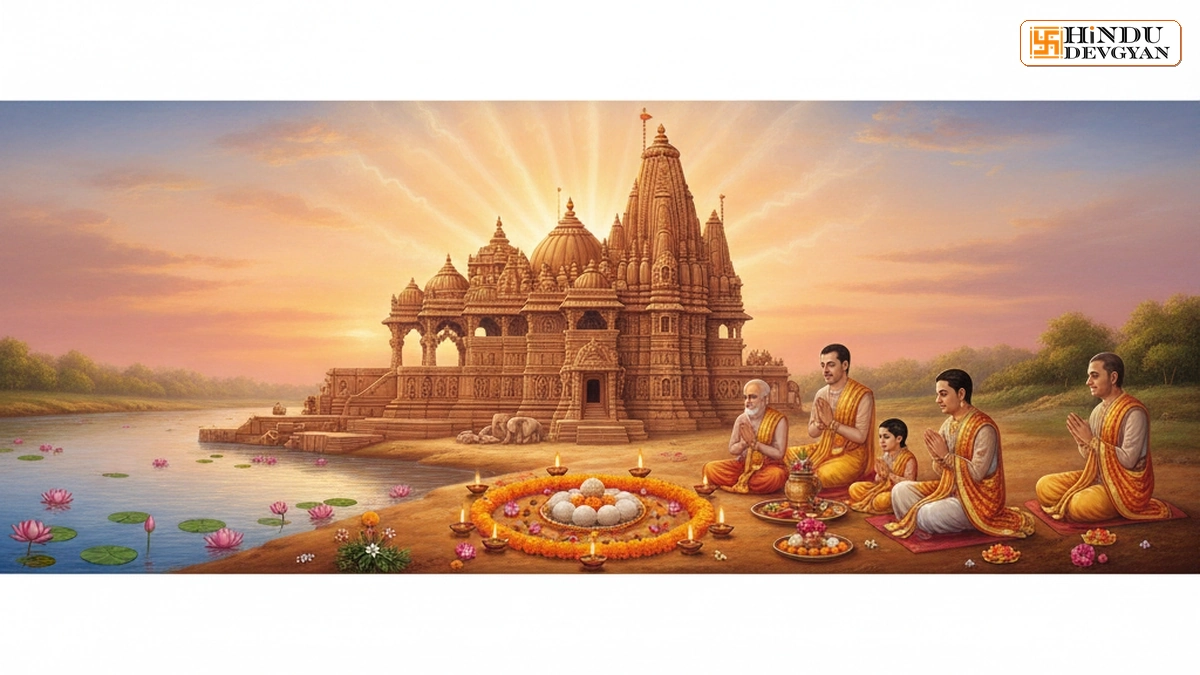
- Tarpan (Water Offering): Offer water mixed with black sesame seeds (til), milk, rice, and flowers to the ancestors, using a copper vessel. Recite relevant mantras like ‘Om Pitru Devataya Namah’ or the shloka mentioned above. Offerings are made with kusha grass and flowing water, ideally facing south.
- Pind Daan (Food Offering): Prepare ‘Pindas’ – small balls made of cooked rice, black sesame seeds, honey, and ghee. These are offered symbolically to represent the deceased. Specifically for unmarried ancestors, some traditions suggest offering items they cherished in life, like new clothes (symbolic), books, or sweets, alongside the pindas.
- Brahmin Bhojan (Feeding Brahmins): Invite Brahmins (or a single Brahmin) and respectfully feed them sattvic food. This act is considered equivalent to feeding the ancestors themselves. Offer Dakshina (monetary gift) and clothes to them.
- Crow Feeding: Offer a portion of the prepared food to crows, as they are believed to be messengers of the Pitrus.
- Donation & Charity: Offer food, clothes, or other necessities to the needy. This amplifies the blessings and spiritual benefits of the Shraddh.
- Prayer for Liberation: Conclude with sincere prayers for the peace, liberation, and higher abode of your unmarried ancestors, and for the well-being of your family.
Planetary Influences:
During Pitru Paksha, the Sun’s transit through the zodiac sign of Virgo (Kanya Rashi) creates a potent cosmic alignment for ancestral rituals. This period is naturally conducive for addressing Pitru Dosha, which can manifest as obstacles in marriage, career, or progeny. By performing Shraddh today, you harmonize with these energies, mitigating adverse planetary effects related to ancestral karma and inviting positive influences into your life. Consider reviewing your Kundli for any specific indications of Pitru Dosha and discuss remedies with a learned astrologer.
Important Dos & Don’ts to Avoid Shastric Karma Errors
Adhering to specific guidelines ensures the efficacy of your Shraddh rituals and prevents unintended karmic consequences.
The 1 Mistake to Avoid:
The Biggest Mistake: Neglecting to perform Shraddh out of ignorance or apathy. Shastras explicitly state that failing to honor ancestors can lead to Pitru Dosha, causing disruptions in family life, health, prosperity, and even progeny. Even if you cannot perform elaborate rituals, a simple Tarpan with sincere devotion is acceptable, but complete neglect is to be avoided at all costs.
Dos:
- Maintain Purity: Physical and mental purity is paramount. Bathe, wear clean clothes, and keep your mind free from negative thoughts.
- Use Auspicious Items: Black sesame seeds, Kusha grass, Ganga water (if available), milk, honey, and specific flowers like marigolds are essential.
- South Direction: Perform rituals facing the south direction, as it is associated with Yama (the deity of death and dharma) and the Pitrus.
- Respect Brahmins: Treat invited Brahmins with utmost respect; their satisfaction is believed to reflect the satisfaction of your ancestors.
- Sattvic Food: Prepare only sattvic food (without onion, garlic, or non-vegetarian ingredients) for offerings and Brahmin Bhojan.
- Sincerity & Devotion: Perform the Shraddh with complete faith and heartfelt devotion.
Don’ts:
- Avoid Non-Vegetarian Food & Alcohol: Strictly abstain from non-vegetarian food, alcohol, and tobacco throughout Pitru Paksha, especially on the day of Shraddh.
- No New Beginnings: Avoid starting new ventures, buying new property, or celebrating auspicious events like marriages or housewarmings during this period.
- No Haircut/Shaving: Traditionally, men performing Shraddh avoid shaving or cutting hair on this day.
- Avoid Conflict: Maintain a peaceful environment; avoid arguments or anger.
- Do Not Cook for Yourself First: The food prepared for Shraddh should first be offered to ancestors and Brahmins before anyone else in the family consumes it.
By observing these rules, you ensure that your offerings reach your beloved ancestors, bringing peace to their souls and blessings to your family lineage. For more insights into spiritual practices and Vedic wisdom, explore HinduDevGyan’s Gita Wisdom section.
Frequently Asked Questions
- Q1: Who should perform Kunwara Panchami Shraddh?
- A: Any male member of the family, typically the eldest son or a close male relative, performs the Shraddh for unmarried ancestors. In some traditions, women may also perform Tarpan, particularly if no male member is available. It is for those who passed away unmarried, regardless of age.
- Q2: What are the specific offerings for unmarried ancestors on Kunwara Panchami?
- A: Besides the standard pindas and tarpan, it is customary to offer items that an unmarried person might have desired or enjoyed in life, such as symbolic new clothes, books, toys (for young ones), or specific favorite sweets. The intention is to fulfill their unfulfilled desires symbolically.
- Q3: Can Kunwara Panchami Shraddh help resolve Pitru Dosha related to unmarried ancestors?
- A: Absolutely. Performing Kunwara Panchami Shraddh with full faith and according to Vedic rituals is believed to appease the souls of unmarried ancestors, thereby alleviating any Pitru Dosha associated with them. This leads to harmony, prosperity, and spiritual blessings for the living descendants. For deeper understanding, you can visit the main HinduDevGyan portal.
🔮 Curious About Your Birth Chart?
Discover your exact career path, marriage compatibility, and planetary dashas based on your exact birth time.
⭐ Recommended for You
Contains affiliate links. We earn a small commission at no extra cost to you.
Complete brass thali with diya, incense holder, bell and more for daily puja.