हिंदी सारांश:
- रक्षाबंधन 2026 के बाद राखी कब उतारें? वैदिक परंपरा के अनुसार, इसे गणेश चतुर्थी या भद्रा पद पूर्णिमा तक धारण करना शुभ माना जाता है, या जब यह प्राकृतिक रूप से ढीली हो जाए।
- राखी को कूड़ेदान में फेंकना घोर अनिष्टकारी माना जाता है। यह भाई-बहन के पवित्र रिश्ते और रक्षासूत्र के महत्व का अनादर है।
- सही नियम है कि राखी को किसी पवित्र नदी, तालाब, या पेड़ के नीचे विसर्जित करें। इसे अपनी पूजा के स्थान पर भी सुरक्षित रखा जा सकता है।
Hello, spiritual seekers and cherished readers of HinduDevGyan! As an elite Hindu Religious Scholar and Spiritual Travel Journalist, I often encounter questions that delve deep into the nuances of our rich traditions. One such query, particularly potent after the joyous celebrations of Raksha Bandhan, revolves around the sacred thread itself: When should you untie your Rakhi, and what is the proper, auspicious way to dispose of it?
Today, Saturday, August 29, 2026, many of you might still be adorning your wrists with the vibrant threads of Rakhi, symbols of eternal protection and sibling love from Raksha Bandhan 2026 (which we celebrated on Monday, August 10, 2026). While the initial euphoria of the festival has passed, the spiritual sanctity of that thread remains. Discarding it improperly is not just disrespectful; it can invite negative karmic repercussions. Let’s uncover the profound Vedic wisdom behind this crucial post-festival ritual.
Significance & Vedic Shastric Context
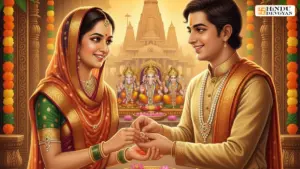
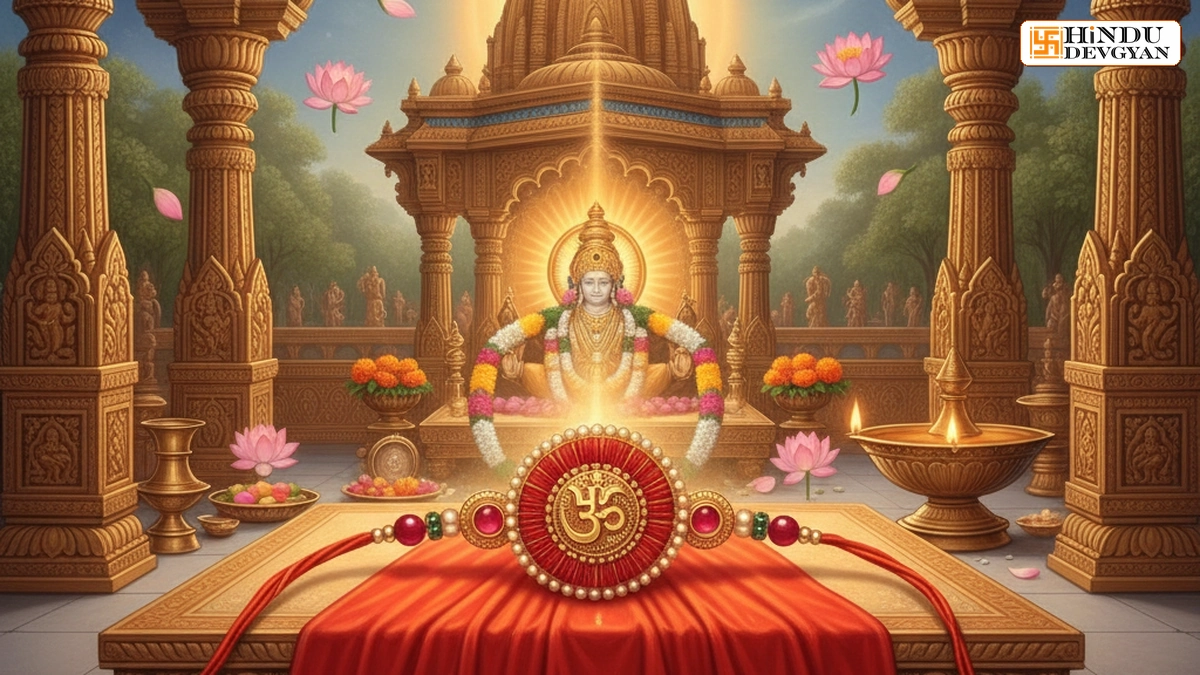
The Rakhi is far more than a decorative wristband. It is a ‘Raksha Sutra’ – a thread of protection. When a sister ties it on her brother’s wrist, she invokes divine blessings for his well-being, longevity, and prosperity. In return, the brother pledges his lifelong protection. This ritual finds its roots in ancient scriptures, where it wasn’t just a sibling bond but a pact of protection between a guru and disciple, or even a king and his subjects.
Transform Your Home’s Energy Today!
Discover the ancient secrets to attracting wealth, health, and harmony. Download our premium 5-chapter Vastu Shastra guide instantly.
The thread, once tied, becomes infused with the prayers, intentions, and divine energy exchanged during the ritual. To treat it as mere trash is to disregard this sacred energy and the spiritual sanctity it embodies. Our ancestors, with their profound understanding of cosmic energies and ritualistic purity, laid down precise guidelines for every aspect of life, including the respectful conclusion of a sacred act.
ॐ येन बद्धो बली राजा दानवेन्द्रो महाबलः।
तेन त्वामभिबध्नामि रक्षे मा चल मा चल॥Om Yena Baddho Bali Raja Danavendro Mahabalaha |
Tena Tvamabhibadhnami Rakshe Ma Chala Ma Chala ||📲 Join Our WhatsApp Channel
रोज़ सुबह पाएं — पंचांग, मंत्र, और आध्यात्मिक ज्ञान सीधे WhatsApp पर。
Get daily Panchang, Mantras & Spiritual Wisdom every morning.Meaning: I tie on you (the Rakhi) by which the mighty King Bali, the king of demons, was bound. O Rakhi, do not move, do not move. (This mantra invokes the power that protected Bali, to protect the wearer.)
This ancient mantra, recited during the tying of the Rakhi, reaffirms its power as a protective talisman. Its removal, therefore, must also be steeped in reverence.
Step-by-Step Vidhi, Shubh Muhurat & Planetary Influences
Raksha Bandhan 2026 was celebrated with great fervor on Monday, August 10, 2026. Now, weeks later, the question arises: when is the ideal time to untie this sacred thread?
There isn’t one single, universally mandated date. Different traditions observe varying periods, but the underlying sentiment of respect remains constant. Here are the most commonly accepted and auspicious guidelines:
- After 15 Days (Till Krishna Janmashtami): Many traditions believe the Rakhi should be worn for at least 15 days after Raksha Bandhan. This period culminates around Krishna Janmashtami (which in 2026 falls on Wednesday, August 26, 2026). By today, August 29, 2026, this period has already passed, making it an appropriate time for removal if you follow this tradition.
- Till Ganesh Chaturthi: A widely followed practice is to wear the Rakhi until Ganesh Chaturthi (which in 2026 will be celebrated on Saturday, September 5, 2026). This significant festival marks the arrival of Lord Ganesha, the remover of obstacles. It is believed that by this time, the Rakhi has fully served its purpose of protection for the year, and its removal on such an auspicious day ensures continuity of blessings.
- Till Bhadrapada Purnima: Some devout followers prefer to wear the Rakhi until the Purnima (full moon) of the Bhadrapada month. In 2026, Bhadrapada Purnima falls on Sunday, September 6, 2026. This extends the protective period, as Purnima tithis are inherently potent. You can check the Panchang for precise timings.
- Until it Naturally Breaks or Wears Off: Another school of thought suggests wearing the Rakhi until it naturally loosens, breaks, or falls off due to wear and tear. This signifies that its protective energy has been fully expended or absorbed.
How to Untie and Dispose of Your Rakhi (The Sacred Vidhi):
Once you decide it’s time to remove your Rakhi, follow these steps:
- Choose an Auspicious Time: If possible, remove it during the Brahma Muhurat (pre-dawn hours) or any auspicious time (Shubh Muhurat). Check your local Panchang for guidance.
- Express Gratitude: Hold the Rakhi in your hand, close your eyes, and silently express gratitude to your sister (or the person who tied it) and to the divine for the protection and love it symbolized. Thank the Rakhi for its protective energy.
- The Sacred Disposal: This is the most crucial step.
- Flowing Water (Visharjan): The most traditional and recommended method is to immerse the Rakhi in clean, flowing water – a river, a pond, or even a large body of water. As you do so, chant a prayer or a mantra, asking for continued blessings. This act is known as ‘Visharjan’ and symbolizes returning the sacred energy to its source.
- Under a Sacred Tree: Alternatively, you can place the Rakhi at the base of a sacred tree like a Peepal (Ficus religiosa) or Banyan (Ficus benghalensis), offering a silent prayer. These trees are considered abodes of deities and their roots symbolize connection to the earth and divine energy.
- Bury in Sacred Soil: If flowing water or a sacred tree isn’t accessible, you may respectfully bury the Rakhi in a clean, sacred spot in your garden or a pot with a plant, offering your prayers.
- Keep in Pooja Ghar: Some choose to preserve a particularly significant Rakhi by placing it in their home altar (Pooja Ghar) or a designated sacred box, as a cherished memory and a symbol of enduring love.
Important Dos & Don’ts to Avoid Shastric Karma Errors
- DO NOT simply cut the Rakhi and throw it into the dustbin or regular trash. This is considered highly inauspicious and disrespectful to the sacred bond it represents. It can attract negative energies and diminish the protective blessings.
- DO NOT let the Rakhi sit around carelessly after removal. Ensure its respectful disposal promptly.
- DO approach the removal with reverence and a sense of gratitude, acknowledging the protective energy it has carried.
- DO remember that the essence of the Raksha Bandhan bond is eternal, regardless of whether the physical thread is still on your wrist.
- DO consider planting a small sapling after removing the Rakhi, especially if you dispose of it under a tree or in the soil. This symbolic act reaffirms life and growth.
- DO reflect on the profound meaning of sibling love and protection, reinforcing those vows in your heart.
By following these guidelines, you honor not just the Rakhi but the profound spiritual significance of the bond it represents. It’s a small act of respect that yields immense spiritual benefits, ensuring the blessings of Raksha Bandhan continue to flourish in your life. For deeper insights into living a life aligned with spiritual principles, explore more Vedic Wisdom on our site.
Frequently Asked Questions
- Q1: Is it bad luck to remove Rakhi before Ganesh Chaturthi 2026?
- A1: While many prefer to keep it until Ganesh Chaturthi (September 5, 2026) for extended blessings, it is not considered bad luck to remove it earlier if done respectfully. Some traditions remove it after 15 days or on Janmashtami. The intent and respectful disposal are key.
- Q2: Can I keep my old Rakhi in my Pooja room?
- A2: Yes, absolutely. Keeping a cherished Rakhi in your Pooja room or a sacred box is a wonderful way to honor its significance and preserve the memories and blessings it holds. Just ensure it is kept clean and respectfully.
- Q3: What if I accidentally threw my Rakhi in the trash? How can I rectify it?
- A3: If this happened, consciously reflect on the mistake. Perform a small prayer, apologizing for the inadvertent disrespect. You can then make a donation to a temple or a charity in the name of your sibling, reaffirming your love and commitment to the sacred bond. Moving forward, ensure all sacred items are disposed of correctly according to HinduDevGyan guidelines.
🔮 Curious About Your Birth Chart?
Discover your exact career path, marriage compatibility, and planetary dashas based on your exact birth time.
⭐ Recommended for You
Contains affiliate links. We earn a small commission at no extra cost to you.
Auspicious copper vessel for Puja, Kalash Sthapana and daily water offerings.