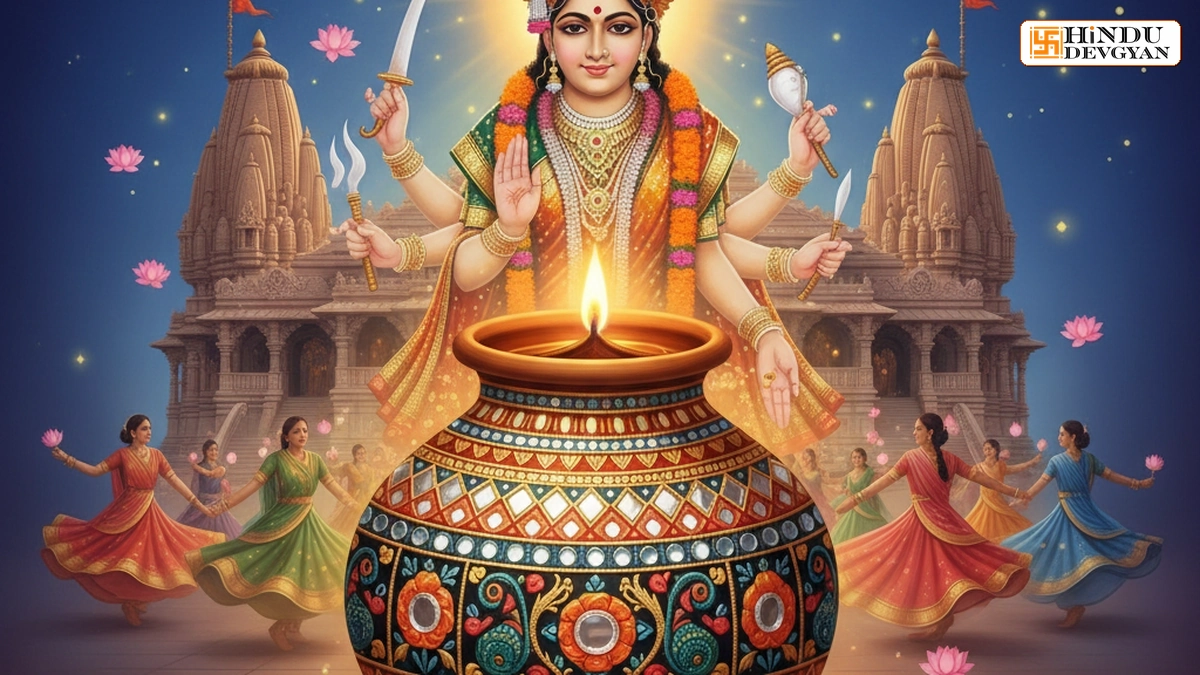
हिंदी सारांश:
- गरबा सिर्फ नाचने या रील्स बनाने का मौका नहीं है; यह जीवन और ब्रह्मांड के गहरे सत्यों को दर्शाता है।
- मिट्टी का मटका (गरबा) ब्रह्मांड या शरीर का प्रतीक है, और उसके भीतर जलता दीपक दिव्य चेतना या आत्मा का प्रतिनिधित्व करता है।
- यह नृत्य जन्म, जीवन और मृत्यु के शाश्वत चक्र को दर्शाता है, जिसमें देवी माँ की शक्ति का आह्वान किया जाता है।
Namaste, seekers of profound wisdom and vibrant spiritual journeys! As a scholar, a seasoned traveler through Bharat’s sacred lands, and your guide to unlocking the deepest truths, I invite you to look beyond the glittering spectacle of Garba. In an age dominated by fleeting social media trends and the pursuit of viral reels, we risk missing the very soul of our traditions. Today, on Saturday, October 17, 2026, let us peel back the layers of this exuberant dance form and discover the HinduDevGyan that truly lies within.
The Hindi wisdom reminds us: “सिर्फ रील्स के लिए नहीं है गरबा! उस मिट्टी के मटके और जलते दिए में छिपा है जिंदगी का सबसे बड़ा सच” – Garba is not merely for reels! The greatest truth of life is hidden in that clay pot and burning lamp. This isn’t just about rhythm and revelry; it’s a cosmic dance, a profound philosophy swirling into motion, connecting us to the very essence of existence itself.
Significance & Vedic Shastric Context of Garba
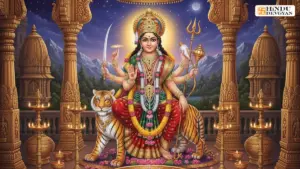
At its heart, Garba is a devotional dance performed during Navratri, the nine sacred nights dedicated to the Mother Goddess, Maa Durga. The word ‘Garba’ itself is derived from the Sanskrit term ‘Garbha Deep’ – the lamp within the pot. This central symbol is the key to understanding its immense spiritual weight.
Transform Your Home’s Energy Today!
Discover the ancient secrets to attracting wealth, health, and harmony. Download our premium 5-chapter Vastu Shastra guide instantly.
- **The Clay Pot (Garbha):** This humble earthen pot represents the womb (Garbha), the source of all life. It symbolizes the universe itself, an empty vessel filled with the divine, or the human body – a temporary abode for the eternal soul. The pot’s fragile nature reminds us of the transient nature of our physical existence.
- **The Burning Lamp (Deep):** Placed inside the Garbha, the lamp represents the ‘Atma’ (soul), the divine consciousness, the eternal light that resides within every living being. It is the divine Shakti, the cosmic energy of Maa Durga, illuminating the universe from within.
- **The Circular Dance:** The dancers move in concentric circles around the Garbha Deep. This circular movement symbolizes the unending cycle of time (Kaal Chakra) – birth, life, death, and rebirth. It signifies the universe revolving around a single, unchanging divine entity – Maa Durga, the ultimate source of all creation and dissolution. The continuous, cyclical motion reflects the Hindu philosophical concept of eternity, where nothing truly ends, but simply transforms.
Garba is a symbolic invocation, a moving meditation where the individual soul (represented by the dancer) seeks to merge with the Universal Soul (represented by the Garbha Deep and Maa Durga). It is a celebration of life, fertility, and the omnipresent power of the Divine Feminine.
सर्वमङ्गलमाङ्गल्ये शिवे सर्वार्थसाधिके ।
शरण्ये त्र्यम्बके गौरि नारायणि नमोऽस्तु ते ॥
Sarva Mangala Mangalye, Shive Sarvartha Sadhike.
📲 Join Our WhatsApp Channel
रोज़ सुबह पाएं — पंचांग, मंत्र, और आध्यात्मिक ज्ञान सीधे WhatsApp पर。
Get daily Panchang, Mantras & Spiritual Wisdom every morning.Sharanye Tryambake Gauri, Narayani Namo’stu Te.
Word-by-word meaning:
- **Sarva Mangala Mangalye:** To the auspicious of all auspicious things
- **Shive:** To Shiva (or auspicious one)
- **Sarvartha Sadhike:** The accomplisher of all objectives
- **Sharanye:** To the refuge
- **Tryambake:** To the mother of the three worlds (or three-eyed goddess)
- **Gauri:** To Gauri (Parvati)
- **Narayani:** To Narayani (goddess Lakshmi/Durga)
- **Namo’stu Te:** Salutations to you
Meaning: Salutations to you, O Narayani, who is the auspiciousness of all that is auspicious, the benevolent one, the fulfiller of all desires, the refuge of all, the three-eyed goddess Gauri.
The Sacred Heart of Garba: Rituals, Cosmic Connection & Timeless Practice
While the exuberance of Garba is infectious, its true power lies in the mindful engagement with its underlying rituals. The core practice revolves around the establishment of the Garbha Deep.
- **Garbha Sthapana:** The consecrated clay pot, often decorated beautifully, is placed in the center of the performance area. Inside it, a lamp is lit, fueled by oil or ghee, symbolizing the unwavering flame of devotion and cosmic consciousness. This setup is venerated as a miniature representation of the cosmos and the divine feminine.
- **Circular Movement (Parikrama):** Dancers move in a counter-clockwise direction around the Garbha Deep. This movement is not random; it’s a form of ‘parikrama’ or circumambulation, a sacred practice in Hinduism signifying respect, devotion, and alignment with cosmic forces. Each circle completed is a step closer to the divine center.
- **Clapping and Rhythmic Steps:** The rhythmic clapping, snapping, and graceful steps are believed to generate positive energy and invoke the presence of Maa Durga. The coordination among dancers reflects unity, community, and the harmonious flow of universal energy.
- **Offerings (Prasad & Aarti):** Devotees often offer flowers, incense, and ‘prasad’ (consecrated food) to the Garbha Deep. At the end of each session, ‘Aarti’ is performed, waving lamps before the deity, symbolizing the offering of light back to the Divine.
For those seeking to understand the auspicious timings for any future Navratri celebrations or other spiritual observances, always consult a reliable Panchang. This ancient Vedic calendar provides precise details on tithis, nakshatras, and muhurats, ensuring your devotion is aligned with the most beneficial cosmic energies. Understanding the subtle planetary influences on our actions is a profound aspect of Vedic wisdom, much like the timeless teachings found in Gita Wisdom.
Important Dos & Don’ts to Avoid Shastric Karma Errors
To truly partake in the sacred energy of Garba and avoid unintentional ‘karma errors’ (actions that deviate from righteous conduct), here are essential guidelines:
Dos:
- **Dance with Devotion:** Approach Garba as a form of worship, a prayer in motion. Let your heart be filled with reverence for Maa Durga.
- **Mindful Attire:** Dress modestly and respectfully. Traditional attire (chaniya choli for women, kurta pajama for men) not only enhances the aesthetic but also reflects cultural and spiritual respect.
- **Maintain Purity:** Ensure cleanliness of mind, body, and surroundings. Before participating, take a bath and approach the Garbha Deep with a pure intention.
- **Engage in Bhakti:** Sing devotional songs (garba and raas) with enthusiasm, letting the lyrics elevate your spirit.
- **Respect the Garbha Deep:** Never touch or step over the central pot and lamp. It is the focal point of divine energy.
Don’ts:
- **Avoid Distraction:** Do not treat Garba merely as a social event or a photo opportunity. While joyous, its primary purpose is spiritual.
- **No Consumption of Tamsic Food/Drink:** Refrain from consuming alcohol, non-vegetarian food, or any intoxicating substances before or during Garba. This can diminish the spiritual purity of the occasion.
- **Disrespectful Behavior:** Avoid loud chatter, arguments, or any conduct that disrupts the devotional atmosphere.
- **Focus Solely on Appearances:** While looking good is part of the celebration, do not let external appearance overshadow the internal spiritual connection.
- **Leave the Sacred Space Untidy:** Ensure the area around the Garbha Deep and the dance floor is kept clean and tidy out of respect.
Frequently Asked Questions
Q1: What is the main spiritual significance of Garba?
A1: Garba symbolizes the cycle of life, death, and rebirth (Kaal Chakra) revolving around the static, unchanging divine feminine energy of Maa Durga. The central clay pot (Garbha) represents the universe or the human body, and the lamp (Deep) within it signifies the divine soul or consciousness.
Q2: Can anyone participate in Garba, or is it restricted to certain groups?
A2: While traditionally associated with specific communities, Garba, as a devotional dance, is increasingly open to all who wish to participate with reverence and devotion, regardless of background. The spirit of unity and devotion is paramount.
Q3: Why is Garba performed specifically during Navratri?
A3: Garba is performed during Navratri to honor and invoke Maa Durga, the Mother Goddess, who embodies creative energy (Shakti). It is a way of celebrating her divine power, seeking her blessings for fertility, prosperity, and the removal of obstacles, all while reinforcing the cosmic cycles she governs.
🔮 Curious About Your Birth Chart?
Discover your exact career path, marriage compatibility, and planetary dashas based on your exact birth time.
⭐ Recommended for You
Contains affiliate links. We earn a small commission at no extra cost to you.
Complete brass thali with diya, incense holder, bell and more for daily puja.